What counts as a self-contained unit?
Key takeaways in this article
-
A self-contained dwelling must have facilities to cook, sleep, live, wash, and use the toilet.
-
These facilities do not have to be in one building, but they must be for the exclusive use of that home.
-
Shared facilities usually mean the property is not self-contained.
-
Most home or landlord policies cover one self-contained dwelling only.
-
If your property has more than one self-contained living area, you may need separate policies.
Is your property considered self-contained?
To be self-contained a premises must contain the facilities necessary for day-to-day living on an indefinite basis. There must be somewhere:
• to cook;
• to sleep;
• to live;
• to wash; and
• to carry out ablutions.
The facilities needed to live in a self-contained manner do not have to be in one building, but must be for the exclusive use of the dwelling.
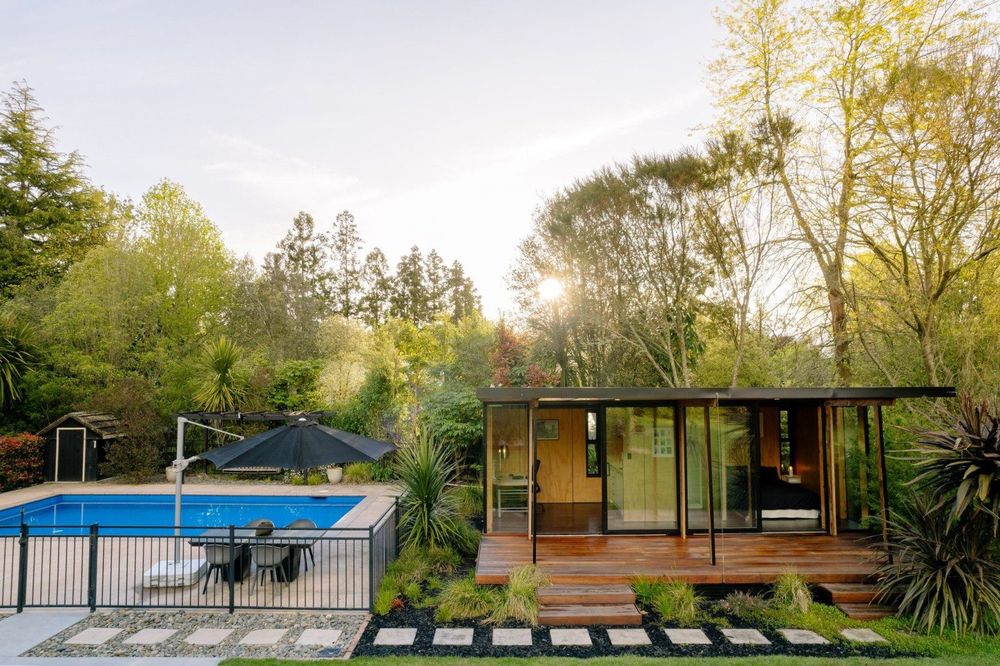
For example, a property may have an external ablutions building in the grounds. As the whole property has the facilities to enable the people using the house to live in a self-contained manner, and the facilities are not shared with other homes, this property will be self-contained for NHC (Formally EQC) cover purposes. NHC is the Natural Hazards Commission.
How this affects your insurance cover
A typical home or landlord policy is designed to cover one self-contained unit being used as a dwelling either by the owner or a long term tenant (over 90 days). If you have a second self contained area at the property also used as a home, you may need a second policy, please check out our support page here to assist with determining the correct cover for you.
Related articles: