Search results for: {search_term_string}/get-quote/house-insurance-calculator
Understanding what is Landlord Insurance?
Landlord, or Rental Property Insurance is an insurance policy that specifically covers the property owner (Landlord) for their Rental Home and some of the risks associated with being a landlord.
Owning and insuring a rental property is a bit different from owning and insuring your own home. That’s why it’s so important to get the right insurance cover in place. Initio want to be able to take care of the unknowns and the what ifs for you.
So what are the insurable risks?
To find out check out our latest article.
New policy for your Own Home
From 1 January 2019 the initio Homeowners insurance policy is changing. We’ve added some extra benefits, enhanced and simplified some of the existing covers, and put some restrictions on some areas. This is a summary of the good, the improvements, and the not so good.
THE GOOD:
New Benefits:
Breakage Extension
If you are only claiming for the accidental breakage of glass (windows and doors) or sanitary fixtures (such as sinks and baths) a reduced excess of $250 applies.
Electronic Programs
If your electronic equipment suffers loss or damage covered under the home section of this policy, you’re also covered for the reasonable cost of restoring, re-setting or re-programming programs, software and other coded instructions necessary to operate that equipment. There’s no cover for any data that may be stored on that equipment.
Keys and locks
The maximum amount payable during an annual period for your home’s keys and locks is $1,000. No excess applies. This limit applies across all keys and locks cover you may have under this or any other policy with NZI.
New building work
Up to $10,000 of cover is available per annual period for a new structure valued at $10,000 or less being built at the home, including any associated materials that are to be included in the new structure. Covers loss or damage caused by specified events only. Please contact us if you need separate cover for building work that falls outside of the above criteria.
Post-event inflation protection
Under the home section of this policy, up to 10% of the relevant policy limit or sum insured is available as additional cover if building costs increase due to widespread damage following a natural disaster, storm or flood.
Stress payment
If we pay a total loss claim for the home, we’ll also pay you $2,000 for stress caused by the loss. This limit applies across all stress payment cover you may have under this or any other policy with NZI.
Sustainability Upgrade
If your home is a total loss, we will pay up to $15,000 to upgrade your home with sustainable products. Examples of sustainable products include solar water heating, rainwater collection tank, and environmentally friendly paint.
Water or sewage pipe blockage
Up to $500 of cover is available per annual period towards unblocking water or sewerage pipes at the home. No excess applies.
Improvements to Existing Cover:
Carpets
Loose floor coverings (such as rugs) are defined as contents under the policy. Fitted floor coverings, including glued, smooth edge or tacked carpet and floating floors are defined as part of the home under the policy – previously only glued floor coverings were included. You may wish to check the sums insured of your home and contents are adequate, taking this change into account.
Clarification to existing cover:
Reduction and reinstatement of sums insured
Following damage to your home for which a claim is payable under the home section of this policy or by the Earthquake Commission, the sums insured are reduced from the time of the loss by the amount required to repair the loss. When payments are applied to the repair of the home, the sums insured are reinstated.
Alternative Accommodation
If your home can not be lived in due to a loss to the home, which is covered by this insurance policy or by EQC; we will pay for you and your domestic pets to stay in alternative accommodation, up to $20,000.
GST
All amounts shown are inclusive of Goods and Services Tax (GST).
Outbuildings
Cover for outbuildings used for domestic purposes now extends to outbuildings that may have limited rural lifestyle use, i.e. for the storage of tools, animal feed, uninstalled equipment or machinery and vehicles only. The outbuildings must be within the residential boundaries of the insured property.
Legal liability
Your legal liability cover has reduced to $1,000,000 for damage to another person’s property, but has been extended to cover liability for another person’s accidental death or bodily injury in connection with your home or its grounds. The limit is GST inclusive. Defence costs you incur with our prior approval are now covered on top of this. Clarification that there’s no cover for liability in connection with seepage, pollution or contamination, unless it occurs during the period of cover and is caused by a sudden and accidental event that occurs during the period of cover.
THE NOT SO GOOD:
Vacant homes
Where the home will be vacant for more than 60 days you will need to let us know or we will only pay for a loss that is caused by fire, explosion, lightning or natural disaster.
Tree disposal
Your policy no longer covers the disposal of tree debris following damage to your home or contents caused by a falling tree or part of a tree.
Landscaping
The maximum amount payable to restore your garden or lawn has reduced from $3,000 to $2,500. This payment is now in addition to any other payment under this policy. Now, cover applies only where a claim is payable for damage to the home, and the damage to the garden or lawn occurred either in the same event or during the subsequent repair of the home.
Recreational features and retaining walls
There is now a sub-limit of $45,000 for all recreational features and a sub-limit of $25,000 for all retaining walls, unless these items are specified with a higher limit as shown in the schedule. Learn more about recreational features and retaining walls.
Bridges, wells and private utility plants
The following items are covered provided they are primarily for domestic use, although they may have limited rural lifestyle use:
- Bridges, culverts, permanent fords or dams with a replacement cost of $15,000 or less
- Wells or bore holes including their pump, lining or casing with a replacement cost of $10,000 or less
- Private utility plants and associated equipment with a replacement cost of $10,000 or less.
There’s no cover for any of the above items with a higher replacement cost, unless they’re specified with a higher limit as shown in the schedule.
CONTENTS INSURANCE
Also have homeowners contents insurance?
About the changes to your contents insurance.
IMPORTANT: This is not an exhaustive or comprehensive list of the changes to the policy but rather a high level summary. For full details of cover, benefits, conditions, and exclusions please see the policy document Initio home policy NZ1811
There’s a major weather event forecast for tomorrow, can I insure tonight?
Probably not! If you have left your property uninsured and decide to insure because your property is in the path of an incoming cyclone, it’s not likely that you will be able to take out cover with the storm on it’s way.
Why you can’t just get insurance when trouble is about to happen
Think of insurance like a safety net for your property. If everyone only got this safety net when they saw trouble coming, like a big storm, it wouldn’t be fair. This is because insurance works by spreading out the cost among lots of people, over time. If some people only pay in when they think they’ll need help soon, it puts more pressure on everyone else. We figure out what to charge for insurance based on how likely it is something might go wrong. If people could only get insurance when there’s a high chance of trouble, it would change how much we’d have to charge, affecting everyone.

Why keeping your insurance going is important
We know insurance costs can go up, and there are many reasons for this, like more expensive repairs or more people needing help. This can understandably influence you into letting your cover lapse. We don’t recommend this approach as we want to be there for you in the event of a major disaster or loss. We’re working hard to make sure you still get good value and support from us and have cover when you need it.
Clearing up myths about claims
Some people think they won’t get paid when they need to make a claim, but that’s not true. We’re here to support you and have paid out a lot of claims this year. If you are unsure of what’s covered or you need any specific advice around an area of concern please check your policy documents for details and reach out to our team for assistance if needed.
To wrap up, it’s really important to keep your insurance going without breaks. It ensures your peace of mind and provides support for you and others, especially when facing significant events. If you have questions or need help with your insurance, feel free to get in touch with us at initio.
Other articles of interest
Other resources
- GENERAL: Civil Defence
- FLOODING: Civil defence – flooding factsheet
- EARTHQUAKES: Geonet | NHC
Great at insurance, even better to work for
(just ask our team)
We’re stoked to share that initio has been named one of the Top Insurance Employers of 2025 in Australia and New Zealand. This recognition is awarded by Insurance Business to the best insurance providers to work for, and we made the cut in the “less than 100 employees” category.
It’s a bit of a big deal. Mostly because it’s based on what our people think, not just what we say in job ads or onboarding packs.
So, how do you win?
It wasn’t just about who has the best snacks (although, shout out to our endless supply of choccy biscuits). The process involved our team anonymously rating initio across things like:
- Company culture
- Flexibility and autonomy
- Personal and professional development
- Genuine inclusion and wellbeing
- Whether people feel heard (and whether it actually leads to change)
Long story short: if you don’t walk the talk, you don’t make the list.
What this means for us
We’ve always believed that doing great work starts with enjoying where you work. That doesn’t mean ping pong tables and bean bags, it means feeling trusted, supported, and free to be yourself. It means flexibility that actually flexes. And it means being able to grow without having to shout for attention.
The fact that our team rated us so highly means the world. We’re not perfect (we’re still figuring out how to keep the office plants alive), but we’re committed to making initio a workplace that’s safe, empowering, and – dare we say it – fun.
Why it matters
At the end of the day, great insurance isn’t just about technology or pricing, it’s about people. People who care about customers, push boundaries, and back each other every day. That starts with culture. So this award isn’t just a nice badge, it’s a reflection of what we’ve built together.
Thanks to our team for making initio what it is. Let’s keep doing it differently.
Related articles

Contact us
Getting in touch with us
We are all about online insurance so we can better understand your query if you send us an email or chat with us online (see the green button at the bottom right of screen). But do feel free to give us a call.
Phone:
0800 763 929
From Overseas:
+64 7 929 4126
Email:
[email protected]
Claims
Claims can be lodged and you can follow progress on your Initio dashboard. But you can also get hold of us using the following:
Email:
[email protected]
Claims Assistance (monday-friday 8.30-5.00):
0800 763 929
Claims Emergency Only (IAG after hours)
0800 560 333
Post
By Mail:
PO Box 19497, Hamilton
In Person:
6 Garden Place, Hamilton
Is my rental property covered for Meth?
Meth Contamination is one of the largest loss leaders for landlords in New Zealand. Cleaning costs for a well-contaminated house can easily cost over $10,000.
Do I need to test for meth before renting out my property?
Regular meth testing isn’t a requirement under initio’s landlord insurance. However, we recommend testing at key times – such as between tenancies, when buying a property, or if you suspect drug use or manufacture.
With initio’s landlord cover:
- Meth testing and cleaning are covered up to $30,000 if a positive reading over 1.5 μg occurs during the insured period.
- Loss of rent may also be covered while the property is being decontaminated.
For Unlawful Substances liability cover specifically, you must test before and after each tenancy to have that liability protection in place.
For more details, see our guidance and claims info:
When do we cover meth testing and cleaning costs?
If you have our landlord cover and you get a positive reading over 1.5 μg from an event during the insured period, our meth cover applies.
We’ll pay up to $30,000 for testing and cleaning the house back to a level below 1.5 μg. A higher $2,500 excess applies to meth however in most cases this cost comfortably exceeded.
Loss of Rent
It can take several weeks, or even months for a property to be fully cleaned for meth. During this cleaning your property won’t be able to be rented.
Our landlord insurance will also cover the lost rents during this period, over and above the $30,000 limit for meth cleaning. We’ll cover the rents until either the property is cleaned (and can be rented again), or the loss of rent limit you selected on your policy has been reached (usually $20,000).
What do I need to do to have meth cover?
To have meth contamination cover you’ll need to meet our landlord obligations. Please make sure you’re doing these so you’re not caught out when you need to make a meth claim.
For details on when meth testing is required, see here.
What do I need to do to insure a home which already has meth contamination?
At initio, we are unable to provide cover for a home that is already contaminated above 1.5μg/100cm2. If you want to insure a home with contamination above that level, you’ll need to arrange for a professional clean and a subsequent report from the provider confirming the property has been cleaned to below those levels. We can then consider cover for you.
Protect your rental with initio’s landlord insurance
Related articles:
Common Queries
Can I insure my boat with initio?
No, we do not provide boat and/or marine insurance products.
Can I insure my motorcycle with initio?
No, we do not provide motorcycle insurance.
Can I change my payments from monthly to annual at renewal?
If you wish to change from monthly to annual (yearly), please take out a new annual policy from your initio dashboard and then cancel the original monthly policy. The system will also automatically arrange a refund for any unused portion of the monthly policy.
If I’m going to rent out one of the rooms in the house I live, do I need to get a landlord insurance policy?
If the boarder/tenant will be sharing facilities with you, such as kitchen and/or bathroom, then you will not need a separate policy. Our “Own Home, that’s also rented” will suit that purpose.
If the area they will be living in is self-contained (either attached to or separate from the main dwelling) with it’s own facilities, to the extent that they don’t share rooms/areas with you, then you will need to take out an additional landlord policy for that part of the property. That policy would be in addition to your Own Home policy for the portion of the home that you occupy. Together, both policies should make up the total sum insured required over the whole property.
Can I pay for one or some of my policies using a different credit card?
If you are purchasing annual insurance, you can use a different card for each and every purchase. If you are purchasing monthly insurance, we are only currently able to facilitate one card for any monthly payments under your account. If you wish to use a different card for a monthly policy, you will need to set up a new initio account using an alternative email address for any policy to be paid via the new card.
How do I login?
If you are a current policy holder already with initio you will have an initio dashboard where you can manage your insurances. You will have been emailed your login details following your first purchase with initio. Please login to your initio account here.
Your email is the first login credential required, followed by your password. If you can’t recall the email you used when you purchased your policy, please contact initio staff.
If you’ve forgotten your password, click the “Forgot my password” option to reset it. Simply follow the instructions to complete the process.
Please note that logins are only provided upon purchase of a home policy with initio.
Where do I find my renewal invoice to pay?
We don’t send invoices for the upcoming year in the traditional sense, if you are looking for the cost to renew your annual policy for the upcoming year, you can find that information by using the “review & confirm” button on the relevant policy. More information regarding that can be found here.
Once the renewal has been completed and paid, the paid invoice information is immediately emailed to you and is thereafter available on your initio dashboard for viewing. All of your historical Invoices/Receipts will remain available via your initio dashboard.
How do I determine the amount of replacement cover to take for my home? Does the amount of replacement cover includes demolition costs?
Please refer to our support page here for your home and here for your contents.
Which cover should I choose to insure my rental?
To insure a rental property set up as one self contained dwelling that you lease to tenants on a long term residential lease, please use our Landlord policy. We also have a multi-unit landlord cover for small blocks of flats or if you own more than one connected rental unit.
If I hire a car, does my vehicle policy insure the hired car?
No, your initio policy does not cover the hire vehicle, we recommend arranging cover with the hire company.
Can you insure a tiny home?
Tiny homes
Tiny homes, as the name suggests, are smaller and more affordable houses, typically less than 15 metres long. They are becoming increasingly popular in New Zealand.
Portable tiny homes
If your tiny home or similar portable house is on a trailer or wheels, we can’t cover it under our initio house insurance policies. If the home can be moved, even if you don’t intend to move it, it is considered closer to a caravan than a permanent dwelling. In this case, we recommend speaking with an insurance provider that offers caravan insurance products.
Permanently situated tiny homes
We can consider cover for a tiny home if it is permanently fixed to the land, connected to local services, and fully self-contained.
It will also need either a Code of Compliance or a Certificate of Acceptance. In simple terms, the home must meet the definition of a compliant residential dwelling to be covered under our policy.
More recently, we can also consider tiny homes that have only received a Code Compliance Certificate at the manufacturer’s site, provided they have since been permanently sited with minimal site works.
Homes under 70 m² that no longer require council consent (as at January 2026)
Under new government regulations, some new homes under 70 m² no longer require building consent. If the home meets all council conditions for this exemption, it can still be considered for cover with initio.
Key conditions include (this list is not exhaustive):
- the home is a single-storey, standalone dwelling
- the net floor area is 70 m² or less
- the design is simple and complies with the Building Code
- the work is carried out or supervised by licensed building professionals
- the local council is notified before construction starts and once it is complete
- the home meets Building Code performance requirements, including structure, fire safety, durability, and moisture control
Not sure if your tiny home qualifies?
If you’re unsure, email us at [email protected] with a few details about the home, or apply online.
When applying, answer “yes” to the question “is there any further information likely to affect the acceptance of the insurance?” and include details about the home, along with any other relevant disclosures.
How To: Intentional Vandalism by Tenants Claim
How to claim for intentional vandalism by tenants
Found intentional damage at your rental property? Don’t worry, your Initio landlord insurance policy covers up to $25,000 of intentional damage by tenants. If you’ve found holes in walls, smashed windows, graffiti etc, please follow our below steps.
What you need to do
- Take photos of the damage – it helps us if scale is provided in the photos, take both close up and pulled back photos
- Get a quote to repair any damage – a room-by-room- itemised quote will speed up the settlement process
- Login to your initio dashboard and select ‘Make a Claim’ on the property. Complete our smart claims process and attach your photos and quotes.
- Hold tight. We will email or call within a business day to tell you what happens next.
- Consider applying to the tenancy tribunal for vacant possession, and to recover any uninsured losses.
Remember the more information the better. We will require other documents such as:
- Tenancy agreement
- The most recent 3 inspection reports
- Tenant references & application
- Anything else you think is relevant
This can help us determine when damage occurred, and speed up our claims process for you.
What will we cover?
The intentional damage caused by the tenant is covered. However, bear in mind that insurance is designed to help you recover from unexpected sudden losses, but does not cover damage that has occurred throughout the tenancy. Like all insurance, an excess will apply to each damage incident.
If there has been damage from one event – such as an out of control tenant party – all the damage could be covered under one excess. However, if any of the damage has occurred throughout a tenancy, multiple excesses will apply.
When do Multiple Excesses Apply?
What won’t we cover?
House insurance covers sudden and unexpected events. We understand that there can be other areas of damage or neglect to your property. Unfortunately, insurance cannot cover everything!
- Rent arrears
- Wear and tear
- Rot or other gradual deterioration
- Rubbish removal
- Cleaning costs
- Gardening costs
- Repairs under excess
- Removal of tenants belongings
Some of your ‘uninsured losses’ can be claimed back via the tenancy tribunal.
FAQ’s
Am I covered for loss of rent?
If the home is so badly damaged that it is deemed ‘uninhabitable’, you might be entitled to loss of rent. ‘Uninhabitable’ means unable to be lived in. For example, no access to kitchen or bathroom facilities, water or electricity. There is no cover for loss of rent if the repairs are just cosmetic (carpet/painting/plastering etc).
Will initio send an assessor?
If damage is significant and needs further examination we may get an assessor to your property. Usually, if the damage is likely to be under $5,000 then we are happy to proceed based on photographs and formal written quotations.
What is my excess?
Your standard policy excess will apply. This amount is chosen when you first purchase your policy. If you can’t remember, check your policy schedule which you can find on your dashboard.
Can I use my own repairer or does initio have companies I must use?
You can use any repairer or supplier you like as long as their costs are reasonable. Please make sure you are happy with the standard of work they provide.
New kid on the block
My first three months at initio
Change is as good as a holiday they say, so after nearly a decade at my previous company, I made the leap, dusted off my CV, stumbled my way through the interviews and signed the contract with initio. But now I had to actually meet new people – ugh. And then there were the considerations around what to wear. Nothing screams that you’re a giant dork like being the only person wearing corporate attire when everyone else is in trendy sneakers & tee’s. The first morning of my new job, after a restless night worrying about everything and nothing probably ranked a solid eight on my anxiety scale. About the same as when I’m not sure whether someone is going for a handshake, high-five, hug, or kiss on the cheek, and I guess wrong. But the good news is that I’ve gotten through the first three months here at initio and I’ve now been here long enough to gather my thoughts about what it’s like to work here and the way it operates. So here are my first impressions;
They have some incredibly smart people working here.
When I say smart, I mean IT smart, which means they’re right at the top of the intelligence pyramid and they keep using words I don’t understand. This is because one of initio’s strengths is digital technology, so we have a very switched-on ‘dev’ (developer) team. They are responsible for keeping our frictionless digital insurance platform in tip-top shape by performing constant updates as well as upgrades. This has meant that I’ve learned I didn’t know quite as much as I thought I did when it comes to the IT realm. To quote a classic movie; ‘You keep using that word. I do not think it means what you think it means’. Yes, that actually happened to me. That experience also ranked pretty highly on my anxiety scale.
Additionally to our talented IT team, our claims and support departments also have smart and savvy team members. Their skills, knowledge and all-around commitment to providing the best service out there are second to none. In fact, I’m surrounded by awesome people who have accepted me into their fold and made me feel right at home.
Positive vibes in spades
I can honestly say that I’ve never worked for a company that’s more committed to creating a healthy company from the inside out. By this, I mean that staff are provided with an incredibly generous and supportive environment which then means that as an employee, we are more willing to go the extra distance for initio. This positive internal culture is nurtured by weekly yoga, a strong social game and rewarding our staff when initio achieves various goals we set for ourselves. This is all great news for our customers who then talk to happy, helpful initio team members.
We’re focused on why we do business
I’ve heard repeatedly since I started working here that initio wants to turn what people think about insurance on its head. Some of the giants in the insurance industry can make their customers jump through hoops when it comes time to pay claims. Initio believes that we should be able to pay (uncomplicated) claims out just as quickly as we get paid for the premium. We’re proud of the fact that we’ve been able to deliver on this for a few simple claims already.
Don’t be suspicious of their affordable pricing.
Talking to my friends and family about my new job would usually lead to us jumping on initio’s website to generate a quick house insurance quote (… which because of those uber-smart people I mentioned, only takes about 5 seconds). They would always ask me ‘why is it cheaper?’ and I initially didn’t actually have a good answer. I’ve since learned that initio is on a mission to offer affordable insurance but with the essential bells and whistles homeowners need. In a nutshell, they save costs by keeping everything online. Customer policies, invoices and all communications are all managed online via the client dash. This in turn means no humans quadruple handling things, not to mention unnecessary printing or postage costs. These efficiency savings are passed on to their customers through their affordable pricing structure.
So there you have it, my first few months in a nutshell. All of the above points are just my humble opinion of course, but I can honestly say that my friends have asked me ‘are you glad you changed jobs?’ and my answer has been an emphatic ‘Yep, so much happier!’.
By Megan Fisher, initio Marketing Manager
Landlord Insurance
Top tips to protect your rental house from fire
With Winter well and truly upon us, the heaters have come out. Not surprisingly most residential house fires occur during winter. Kitchen fires make up about a quarter of all house fires – they commonly start from unattended cooking and can quickly spread. As a landlord there are steps you can take to improve the safety of your tenants and home against fire:
- Consider removing curtains from kitchen windows as these provide an excellent fuel source for fire.
- Recommend tenants use camping type gas cookers outside only. When used indoors, these are both a fire hazard and health risk.
- Test smoke alarms at each property inspection. If tenants are removing the batteries considering replacing with a newer model that has a 10 year sealed battery and hush button.
- To reduce the risk of electrical fires, check power points for overloading. Where necessary consider installing additional power points. Faulty power boards are a common cause of fire.
- If your house has downlights installed prior to 2012, check that the ceiling insulation has the correct spacing around the lights to prevent overheating and fire.
- Consider installing safe and efficient heating sources. Tenants may even be happy to pay more rent in exchange for installing a heat pump.
- Clean chimney flues annually and make sure heat pumps are serviced and cleaned regularly to prevent fires and ensure heating sources are operating efficiently.
New policy for Rental Properties
From 1 January 2019 the initio Rental Property insurance policy is changing. We’ve added some extra benefits, enhanced and simplified some of the existing covers, and put some restrictions on some areas. This is a summary of the good, the improvements, and the not so good.
THE GOOD:
New cover benefits
New building work
Up to $10,000 of cover is available per annual period for a new structure valued at $10,000 or less being built at the home, including any associated materials that are to be included in the new structure. Covers loss or damage caused by specified events only. Please contact us if you need separate cover for building work that falls outside of the above criteria.
Post-event inflation protection
Under the home section of this policy, up to 10% of the relevant policy limit or sum insured is available as additional cover if building costs increase due to widespread damage following a natural disaster, storm or flood.
Stress payment
If we pay a total loss claim for the home, we’ll also pay you $1,000 for stress caused by the loss.
Water or sewage pipe blockage
Up to $1,000 of cover is available per annual period towards unblocking water or sewerage pipes at the home. No excess applies.
Electronic Programs
If your electronic equipment suffers loss or damage covered under the home section of this policy, you’re also covered for the reasonable cost of restoring, re-setting or re-programming programs, software and other coded instructions necessary to operate that equipment. There’s no cover for any data that may be stored on that equipment.
Keys and locks
The maximum amount payable during an annual period for your home’s keys and locks is $1,000. No excess applies.
Improvements to existing cover:
Vacant homes
Where the home has been vacant for more than 60 consecutive days we continue to provide insurance cover but with a higher than standard excess ($5,000). If you have an active, professionally-installed alarm, the excess reduces from $5,000 to $1,000. Under the old policy the alarm excess was $2,500.
Landlord’s protection
Additional Benefits for landlords (in addition to existing benefits for malicious damage):
- Loss of rent due to non-payment of rent because of prevention of access or failure of public facilities, up to 6 weeks’ rent
- Loss of rent due to the tenant vacating the property without notice, up to 6 weeks’ rent
- Loss of rent due to eviction for non-payment of rent, up to 6 weeks’ rent.
The excess has changed from minimum $500 to the standard policy excess.
Learn more about landlords protection here
Simplified cover for contents
Landlords contents is automatically included under the policy ($20,000 of cover for free). you have the choice of increasing this cover up to $60,000. The policy is designed to cover things like ovens, curtains, drapes. Under the old wording these items were covered for their present day value. The cover has been improved so we’ll now either pay:
- to replace the item if it’s under 5 years of age, or
- the present value of the item if it’s 5 years of age or over, or
- to repair the item as close as possible to the condition it was in before the loss or damage.
learn more about contents cover for rental properties here
Legal liability
Your legal liability cover of up to $2,000,000 for damage to another person’s property is extended to cover liability for another person’s accidental death or bodily injury in connection with your home or its grounds. The limit is now GST inclusive. Defence costs you incur with our prior approval are now covered on top of this. Clarification that there’s no cover for liability in connection with seepage, pollution or contamination, unless it occurs during the period of cover and is caused by a sudden and accidental event that occurs during the period of cover.
Carpets
Fitted floor coverings, including glued, smooth edge or tacked carpet and floating floors are defined as part of the home under the policy and now covered for replacement (new for old).
Clarification to existing cover:
Reduction and reinstatement of sums insured
Following damage to your home for which a claim is payable under the home section of this policy or by the Earthquake Commission, the sums insured are reduced from the time of the loss by the amount required to repair the loss. When payments are applied to the repair of the home, the sums insured are reinstated.
GST
All amounts shown are inclusive of Goods and Services Tax (GST).
Outbuildings
Cover for outbuildings used for domestic purposes now extends to outbuildings that may have limited rural lifestyle use, i.e. for the storage of tools, animal feed, uninstalled equipment or machinery and vehicles only.
THE NOT SO GOOD:
Tree disposal
Your policy no longer covers the disposal of tree debris following damage to your home or contents caused by a falling tree or part of a tree.
Landscaping
The maximum amount payable to restore your garden or lawn has reduced from $3,000 to $2,500. Cover applies only where a claim is payable for damage to the home and the landscaping damage occurred during the same event.
Recreational features and retaining walls
There is now a sub-limit of $45,000 for all recreational features (tennis courts, pools etc) and a sub-limit of $25,000 for all retaining walls, unless these items are specified with a higher limit as shown in your schedule. More details here
Methamphetamine contamination
We continue to provide cover for meth however the maximum amount payable for cleaning or repairing the house and its contents damaged by methamphetamine contamination (manufacture and consumption) has reduced from the house sum insured to the amount shown in the schedule, currently $30,000. An excess of $2,500 applies to each claim. There are additional conditions and limitations for tenancies or occupancies of 90 days or less. Learn more about meth here
Landlord’s obligations
This section outlines the increased standard of care that is now required of landlords. To make a valid claim on a tenanted property, you’ll need to have fulfilled these obligations.
The inspection and monitoring requirements must be met from when your policy renews. The updated tenant-vetting requirements will only apply to new tenancies that commence after your policy renews, not to your existing tenants.
You’ll also need to test for methamphetamine contamination before and after each tenancy, in order to be covered for methamphetamine contamination-related liability as a landlord. Learn more about landlord obligations here
IMPORTANT: This is not an exhaustive or comprehensive list of the changes to the policy but rather a high level summary. For full details of cover, benefits, conditions, and exclusions please see the policy document Initio landlord and holiday home policy NZ1811
New policy for Multi-Unit Rental Properties
From 1 January 2019 the initio Rental Property insurance policy is changing. We’ve added some extra benefits, enhanced and simplified some of the existing covers, and put some restrictions on some areas. This is a summary of the good, the improvements, and the not so good.
THE GOOD:
New cover benefits
New building work
Up to $10,000 of cover is available per annual period for a new structure valued at $10,000 or less being built at the home, including any associated materials that are to be included in the new structure. Covers loss or damage caused by specified events only. Please contact us if you need separate cover for building work that falls outside of the above criteria.
Post-event inflation protection
Under the home section of this policy, up to 10% of the relevant policy limit or sum insured is available as additional cover if building costs increase due to widespread damage following a natural disaster, storm or flood.
Stress payment
If we pay a total loss claim for the home, we’ll also pay you $1,000 for stress caused by the loss.
Water or sewage pipe blockage
Up to $1,000 of cover is available per annual period towards unblocking water or sewerage pipes at the home. No excess applies.
Electronic Programs
If your electronic equipment suffers loss or damage covered under the home section of this policy, you’re also covered for the reasonable cost of restoring, re-setting or re-programming programs, software and other coded instructions necessary to operate that equipment. There’s no cover for any data that may be stored on that equipment.
Keys and locks
The maximum amount payable during an annual period for your home’s keys and locks is $1,000. No excess applies.
Improvements to existing cover:
Vacant homes
Where the home has been vacant for more than 60 consecutive days we continue to provide insurance cover but with a higher than standard excess ($5,000). If you have an active, professionally-installed alarm, the excess reduces from $5,000 to $1,000. Under the old policy the alarm excess was $2,500.
Landlord’s protection
Additional Benefits for landlords (in addition to existing benefits for malicious damage):
- Loss of rent due to non-payment of rent because of prevention of access or failure of public facilities, up to 6 weeks’ rent
- Loss of rent due to the tenant vacating the property without notice, up to 6 weeks’ rent
- Loss of rent due to eviction for non-payment of rent, up to 6 weeks’ rent.
The excess has changed from minimum $500 to the standard policy excess.
Learn more about landlords protection here
Simplified cover for contents
Landlords contents is automatically included under the policy ($20,000 of cover for free). you have the choice of increasing this cover up to $60,000. The policy is designed to cover things like ovens, curtains, drapes. Under the old wording these items were covered for their present day value. The cover has been improved so we’ll now either pay:
- to replace the item if it’s under 5 years of age, or
- the present value of the item if it’s 5 years of age or over, or
- to repair the item as close as possible to the condition it was in before the loss or damage.
IMPORTANT: For multi-units the contents sum insured you choose is shared across all units and is not a per unit contents cover. For example if you have 3 units insured and have selected $40,000 landlords contents cover – in the event of a total loss fire the $40,000 is the total amount of landlords contents cover.
learn more about contents cover for rental properties here
Legal liability
Your legal liability cover of up to $2,000,000 for damage to another person’s property is extended to cover liability for another person’s accidental death or bodily injury in connection with your home or its grounds. The limit is now GST inclusive. Defence costs you incur with our prior approval are now covered on top of this. Clarification that there’s no cover for liability in connection with seepage, pollution or contamination, unless it occurs during the period of cover and is caused by a sudden and accidental event that occurs during the period of cover.
Carpets
Fitted floor coverings, including glued, smooth edge or tacked carpet and floating floors are defined as part of the home under the policy and now covered for replacement (new for old).
Clarification to existing cover:
Reduction and reinstatement of sums insured
Following damage to your home for which a claim is payable under the home section of this policy or by the Earthquake Commission, the sums insured are reduced from the time of the loss by the amount required to repair the loss. When payments are applied to the repair of the home, the sums insured are reinstated.
GST
All amounts shown are inclusive of Goods and Services Tax (GST).
Outbuildings
Cover for outbuildings used for domestic purposes now extends to outbuildings that may have limited rural lifestyle use, i.e. for the storage of tools, animal feed, uninstalled equipment or machinery and vehicles only.
THE NOT SO GOOD:
Tree disposal
Your policy no longer covers the disposal of tree debris following damage to your home or contents caused by a falling tree or part of a tree.
Landscaping
The maximum amount payable to restore your garden or lawn has reduced from $3,000 to $2,500. Cover applies only where a claim is payable for damage to the home and the landscaping damage occurred during the same event.
Recreational features and retaining walls
There is now a sub-limit of $45,000 for all recreational features (tennis courts, pools etc) and a sub-limit of $25,000 for all retaining walls, unless these items are specified with a higher limit as shown in your schedule. More details here
Methamphetamine contamination
We continue to provide cover for meth however the maximum amount payable for cleaning or repairing the house and its contents damaged by methamphetamine contamination (manufacture and consumption) has reduced from the house sum insured to the amount shown in the schedule, currently $30,000. An excess of $2,500 applies to each claim. There are additional conditions and limitations for tenancies or occupancies of 90 days or less. Learn more about meth here
Landlord’s obligations
This section outlines the increased standard of care that is now required of landlords. To make a valid claim on a tenanted property, you’ll need to have fulfilled these obligations.
The inspection and monitoring requirements must be met from when your policy renews. The updated tenant-vetting requirements will only apply to new tenancies that commence after your policy renews, not to your existing tenants.
You’ll also need to test for methamphetamine contamination before and after each tenancy, in order to be covered for methamphetamine contamination-related liability as a landlord. Learn more about landlord obligations here
This is not an exhaustive or comprehensive list of the changes to the policy but rather a high level summary. For full details of cover, benefits, conditions, and exclusions please see the policy document Initio landlord and holiday home policy NZ1811
A closer look at property damage for New Zealand landlords
Rental properties generate income and grow in value over time, but they can also come with unique risks and costs.
One common question for landlords is, “What damage is most likely to occur at my rental property?” Knowing the risks and how to reduce them is key to protecting your investment.
A shift in claim trends: weather makes its mark
In 2023 we experienced exceptional circumstances, notably the Auckland Anniversary storms and Cyclone Gabrielle. Our, and industry, data shows a 10x increase in weather-related claims in the past year. Damage from floods and rain saw a substantial rise in claim payouts compared to 2022, while wind and storm-related claims also showed a notable increase.
Now, more than ever, natural hazard risks such as flood susceptibility, land stability, coastal surge and slope failure (all of which are being identified by local councils) are key to determining a property’s insurability. For existing properties, and for those you intend to purchase, it is essential that you do your research and this could affect future costs, and even saleability.
Outside of natural hazards, other risks still exist, and focusing solely on weather-related issues might leave you unprepared for other landlord challenges.
A closer look at 2023 rental property losses
Flood & rain damage:
For initio in 2022, this category of damage represented 9% of the total number of claims lodged. However, in 2023, this has increased to 21% of the total number of claims. This underscores the substantial financial impact of flood and rain events. The damage to rental properties ranged from minor ceiling leaks to total destruction of the property.
Wind & storm damage:
Unsurprisingly payouts rose by just over 50% compared to the previous year. While the number of claims lodged was similar between the two years, the severity and cost of damage was significantly higher, partly due to rising construction costs.
Other water-related damage:
These are typically problems like bursting pipes and leaking hot water cylinders. In 2022, these made up 22% of claims lodged, dropping to 16% in 2023. The most common water damage claim in both 2022 and 2023 is hidden gradual water damage (HGWD), such as pipes leaking under the kitchen sink, and blocked sewage pipes. HGWD is often excluded from standard rental property insurance policies, but some policies like initio’s offer limited cover (usually $2,000 – $3,000) through a special extension. The key to proactively managing this risk is regular property inspections and educating tenants to notify as soon as they see something damp.
Accidental damage:
We’ve seen a wide range of claims in this category. These usually include unexpected incidents like broken windows, damaged cooktops and carpet stains. Accidental damage made up 13% of claims lodged in the 2023 period. Not every accidental damage loss allows the landlord to hold the tenant responsible for the insurance excess. Understanding where your responsibility as a landlord ends and the tenant’s begins will guide your communications with tenants following any damage.
Other rental property incidents (by number of claims, not value):
- Malicious damage from tenants (3.8%)
- Fire (accidental and arson combined) (1.8%).
- Meth contamination (1.7%)
- Problems with keys and locks (2.7%)
- Impact damage, typically involving vehicles (2.5%). Eg, car versus garage.
While fire is a relatively rare type of loss, its severity is substantial when it does occur. The average value of a fire claim in 2023 is just over $50,000.
Loss of rent:
Loss of rent applies when damage occurs and the house can no longer be lived in. The floods in early 2023 displaced many tenants, resulting in loss of rent payments to landlords. During the floods insurers needed to be practical and work with landlords in situations where the property was partially damaged and still able to be lived in.
In situations where a tenant can no longer reside at the property due to an event like a fire or flood, the tenant must pay for their own relocation and temporary accommodation. It is not your responsibility as a landlord. If a tenant has their own contents insurance this will usually cover these displacement costs.
Some policies, like initio’s, also cover rent in scenarios where there is no physical damage to the house. So this includes eviction or tenant abandonment. These situations made up 2.7% of total claims lodged in the past year.
Final word
Taking a proactive and sensible approach to managing risks as a landlord is its own kind of insurance. From what we observe in daily claim reports, landlords who prioritise choosing the right tenants, conducting thorough tenant checks, carrying out regular property inspections, installing fire extinguishers in kitchens, and keeping up with routine maintenance such as clearing gutters, plumbing and electrical work, have fewer damage issues and don’t add to the above statistics.
Selecting an insurance provider well-versed in landlord risk and that offers tailored policies for rental property owners complements a comprehensive strategy to reduce the risks you face as a landlord.
The statistics presented in this article are based on analysis of claims data from initio. The annual period being October to October. Please note that all figures are rounded and in some cases, where the claim type is embedded within a larger loss type, have been calculated to provide a representative view of the claim trends during this period. Data from the Insurance Council of New Zealand was also utilised.
Non Disclosure and what to tell your insurer
What Information is important to initio
There are 2 main categories of information:
- Information relating to you, e.g. your insurance history, any claims made, any criminal convictions you have, if you have been bankrupt; and
- Information relating to your property e.g. if you have tenants in your house, if you live on a flood plain, any businesses that operate from the home.
What do you need to tell initio?
The policy application that you complete when you first take out insurance is used to collect the information that we need to know about you and your property. Insurance is a legal contract, and you must answer the questions truthfully.
Legally, you need to tell us about anything that could affect our decision to insure you or the terms and conditions you will be offered, even if we don’t specifically ask the question. For example, if a previous insurer had put terms on your policy, like a higher excess or not provided cover for burglary, we would want to know about this.
Why do you need to tell initio this information?
In order to properly assess the risk of insuring your property (and you), we want to know as much as possible. As you have knowledge of the property you are insuring, we rely on you to share this information with us.
When do you need to give initio this information?
You need to disclose all information to initio when you arrange the policy. Changes or new disclosures must be advised every time the policy is renewed. If there have been major changes you should advise these when they happen.
What happens if you leave out information?
The consequences can be serious. Legally, your policy can be treated as though it never existed and your insurer can refuse to consider your claim. For example, if you did not disclosure that you had previously had your insurance cancelled because you had lodged a fraudulent claim, your new insurer could cancel your policy from inception, refund any premiums paid and refuse your claim.
If you forgot to tell us that you live in a 100 year flood zone, we wouldn’t cancel your policy. We would act as if we knew about it when you first took out insurance. That would mean applying the applicable flood endorsement and excess. So while some omissions can be serious, others can be easily resolved.
The Golden Rule
If in doubt, disclose, disclose, disclose.
How do you advise a disclosure?
Our application forms will ask you a number of questions which may or may not cover the information you need to disclose. If not, please provide any further information under the question “Is there any further information likely to affect the acceptance of this insurance”. Answer “Yes” and enter the information not yet disclosed on the application within the field provided.
If you have a policy already in place and have new information to disclose, send an email to the team and our team will come back to you if they require any further detail or let you know if the information changes any terms/cover.
Duty of Disclosure
Disclosure vs. Declaration
Related articles:
Pro-tips for property owners. Tip #1: initio has you covered
Welcome to our newest blog series, where we delve into the essentials of readiness and resilience, covering everything from crafting a solid emergency plan to ensuring your sum insured is spot-on, and streamlining your insurance for the holiday season and beyond. However, before we explore these topics, we’re turning the spotlight on ourselves. While we remain hopeful for a calmer year ahead, we wouldn’t be in the insurance game if we didn’t value cautious optimism and thorough preparation for unforeseen events.
Join us as we kick off this series by demonstrating our commitment to continuous improvement and meticulous preparation, paving the way for a discussion on how you can do the same. It’s the first step in a series dedicated to empowering you with the knowledge and tools to protect what matters most.
We’ve got our house in order
Behind the scenes, we’ve been busy beefing up our infrastructure and services. Why, you ask? Because we want to be rock-solid for our customers when they need it. It’s all about making sure we’re ready with a helping hand, especially in those critical moments. By bringing in some of the coolest tech and smoothing out our processes, we’re not just hitting the mark; we’re aiming to soar way past it. Our mission? Building a stronger, niftier initio that’s ready to tackle whatever twists and turns come our way, giving our customers that awesome feeling of being in good hands. So, how exactly have we been doing this? Let’s dive in:
- Smart Claims upgrade: We’ve upgraded our smart claims system for quicker, more efficient processing. This ensures easier claims lodging and faster assistance in a crisis.

- More team members: We want to make sure we’re always ready to help. So, we’ve brought more people into our team. This means when things get tough, you’ve got more friends at initio to support you when you need it most.

- Location adjustments: We now use more detailed data in our location-based risk assessments. This helps us offer advice and solutions tailored to the unique risks of different New Zealand regions.

- Website upgrades: Our development team recently completed a 4-month platform refresh project to help us go faster and make your insurance even more seamless.

- Continuous learning: Following the 2023 events, we’ve refined our policies and practices to stay ahead in disaster preparedness.
No system can be entirely foolproof against the forces of nature. However, by taking these steps, we aim to enhance our resilience and readiness, providing our customers with the assurance that we’re better prepared to support them through any future challenges. Remember, being prepared is not just about having insurance; it’s about having the right support when you need it most.
The choices you make now can significantly impact your peace of mind and financial security in the future. Our team are always ready to assist you in making informed decisions about your insurance. Feel free to reach out with any questions, or visit our website for more information and resources.
Visit our FAQ pages for more insights and updates on how to manage your insurance effectively. Our goal at initio remains to make insurance easy.
Declaration
To be completed by the insured(s) shown and also on behalf of any other person to be covered by this insurance.
I declare that:
- All information contained in this proposal and on any attachment is complete and correct;
- I have disclosed all material facts to Lumley;
- I agree that this proposal shall be the basis of the contract between me and Lumley and I am willing to accept the terms, conditions and exclusions of this insurance;
- I am authorised to complete this proposal on behalf of all people to be covered by this insurance and they give the same declarations.
By signing this form I authorise the insurer to:
- Check our details on the Insurance Claims Register and place our claims information on the Insurance Claims Register which other insurers can access;
- Disclose our personal information about this insurance to other members of the insurance industry and/or parties who have a financial interest in the subject matter of this insurance;
- Obtain our personal information held by any other party regarding my/our existing and previous insurances.
Duty of Disclosure
You must tell us everything you know (or could be reasonably expected to know) that a prudent insurer would want to take into account in deciding:
a. Whether to agree to insure you
b. if so, on what terms
Examples of what you must tell us include:
a. anything that increases the risk of a claim
b. any criminal offending or convictions
c. any previous insurance claims
d. any refusal by another insurer to insure you on standard terms.
You must also tell us this every time this policy renews and when you make any changes to it. If you fail to do this, we may void the policy retrospectively. You will have no insurance at all. When in doubt, disclose. We treat all information confidentially
Change in circumstances
You must tell us about any material changes in your circumstances after the policy starts and during the policy period
Privacy
- The personal information you provide in this proposal will be held by Initio, 15 Clifton Road, Hamilton, and Lumley (IAG New Zealand Ltd), 88 Shortland Street, Auckland.
- Our collection of this information is part of your duty of disclosure at law to us, and is compulsory
- If you fail to provide it, we may choose not to insure you.
- We may pass on limited information about your property (ie name, property address, period of cover, sum insured) to the organisation if any (eg Bookabach, New Zealand Property Investors Association) that has referred you to us.
- You have rights of access to the personal information, and correction of it, under the Privacy Act 1993.
IMPORTANT – Replacement Sum Insured
The ‘replacement sum insured’ above represents the total replacement value of your dwelling and improvements (eg driveways, swimming pools, fencing etc). We do not accept any responsibility for the accuracy of this value. You are responsible for determining and accepting this value. An insurance valuation or using an online replacement value calculator will provide you with more accuracy of replacement value.
Non town water properties can now be insured online
Rental properties not on non town water (bore water, trickle feed, tank water, all of the above) can now be insured online through initio.
If this is you just click ‘No’ to the town water question on the quote calculator. Initio insurance just keeps getting better. Providing you quick and easy quotes without the need for time consuming paperwork and questions.
Insure your non town water property online with initio rental property insurance.
Initio and Bookabach team up
Initio is pleased to announce that it has teamed up with Bookabach to provide insurance for holiday homes and baches that are rented out on occasion. Our specialist rental property insurance policy has been tailored to meet the needs of properties with long term tenants and also those properties which are rented out on a short term basis (eg holiday homes).
If you own a holiday home and this sounds like you…. Even if you don’t rent it out that often, our policy is for you.
The main question is do you have the right covers. Your existing insuring may take exception to the fact that your property is let our on occasion. Get it right from the beginning and insure with initio.
See the recent bookabach article for some great things to think about: Got insurance (no, Really)
How do I make an insurance claim?
All our claims are lodged online via your dashboard login.
A ‘Make a Claim’ option appears on the right-hand side menu of each policy. Select this, then follow the prompts that appear to complete the questions.
How long will initio take to settle my claim?
The time it takes to settle a claim depends on the type of claim and the complexity involved.
The good news? We process straightforward claims quickly – often within just a few days. To help us move even faster, please include as much information and supporting documentation as possible when you lodge your claim.
While some claims may take longer due to their nature or third-party involvement, our experienced team has seen it all. We’ll keep you informed every step of the way and work hard to get your claim resolved as soon as possible.
How do I follow the progress of my claim?
Once you lodge your claim, our team will get in touch to let you know what happens next.
You can track your claim through the Claims page in your dashboard, which reflects the same updates you’ll receive via email from your claims manager.
You can also use this page to upload additional documents, such as photos, quotes, or invoices, to support your claim.
If you need an update and there’s no new information on your dashboard, please give our claims team a call on 0800 763 929 or send us an email to [email protected].
What if I want to withdraw or cancel my claim?
To withdraw or cancel your claim, please reach out to the person you have been dealing with by phone or email.
You can learn more about our claims service here.
Watch our quick guide to making a claim
Related pages
Own a lifestyle block or rural property?
Understanding your cover with initio when you own a lifestyle block or a rural property
Owning a lifestyle block in New Zealand offers the best of both worlds – the comfort of a home and the freedom of rural living. Knowing your insurance policy well is key to ensuring you’ve got the cover you need. Here’s some things to consider when insuring your lifestyle block home(s) with initio. You can get insurance for your home if it’s on a lifestyle property with our standard house and contents cover. However, be aware of a few things, especially if it has extensive fencing, you run a business, or farming activities from your property.
What IS covered
Regarding your home, your policy outlines what is included in the definition section of the policy document. It includes (but is not limited to) the following items, providing they’re used solely for domestic residential (not commercial use, which includes farming) use;
- Outbuildings within residential boundaries*, such as a garage, woodshed, utility shed.
- Driveways of permanent construction that provide access to your home (gravel or shingle driveways are not covered).
- Patios, decks within residential boundaries*.
- Immediate fencing around your dwelling (and alongside the main driveway to the home) – please note that it does not include fencing outside of the residential boundary. In addition, a fence that borders a neighbouring property is covered for your share only (as determined by the fencing act).
- Walls including garden and retaining walls up to $25,000 (can be specified for a higher limit).
- Swimming pool and/or tennis court up to $45,000 (can be specified for a higher limit).
- Permanently sited water storage tank or septic tank.
We also include the following items so long as;
- they’re owned primarily for domestic use,
- but which may also have limited use for rural lifestyle purposes and
- they are not valued above the amounts shown below. If the items do have higher values, then there is no cover unless otherwise agreed and stated on your policy schedule:
- outbuildings that have limited use for rural lifestyle purposes such as for the storage of tools, animal feed, uninstalled equipment, or machinery and vehicles.
- private utility plant and associated equipment, including, but not limited to, wind or water mills, or diesel generators, with a replacement cost of no more than $10,000.
- Any bridge or culvert, permanent ford or dam, with a replacement cost of no more than $15,000.
- Any well or borehole including its pump, lining or casing, with a replacement cost of no more than $10,000.
* Within residential boundaries: In the context of lifestyle blocks, a “residential boundary” refers to the specific area of your property that surrounds your dwelling and is distinct from agricultural or paddock areas.
What’s NOT covered
- Farmer’s liability – Liability arising from farming activities, eg. stock/farm animals escaping and causing damage to third parties.
- Farm fencing (that’s not within residential boundaries*).
- Land outside of what’s provided under the NHC cover (see the link for land NHC will cover).
- Buildings used for business/commercial use (other than a home office).
- Live plants/trees.
- Stock/farm animals.
- Tractors.
- Farm bikes.

Key takeaways
Initio’s policy covers a residential home on a lifestyle block, including some limited farm use of buildings and contents. However, it doesn’t cover liability for farming activities or farming equipment. It’s important to know the exclusions, especially those related to farming activities, natural disasters, and specific property features. Always check your policy details and reach out if you have any concerns.
If you have specific questions, feel free to contact us. We’re here to help you understand and maximize your coverage where we can.
Other articles of interest:
Preparing your home for winter
As winter approaches in New Zealand, ensuring your home is ready to handle the colder months is crucial.
Not only can a well-prepared home offer more comfort, but it can also help you avoid common winter hazards, reduce your energy bills, and prevent potential damage. Here’s a practical checklist for homeowners to get their homes winter-ready.
1. Maximising home insulation and warmth
Enhancing your home’s insulation is key to staying warm and efficient during winter. Here are crucial updates to consider:
- Quality curtains: Choose thermal or lined curtains to significantly reduce heat loss through windows, a common escape point for warmth.
- Flooring insulation: Add rugs or carpets over hardwood or tile floors for extra warmth. Consider investing in underfloor insulation for long-term benefits.
- Roof insulation: Ensure your roof insulation is sufficient and in good condition to prevent heat from escaping upwards, thereby maintaining a warmer home environment.
- Draft excluders and door stops: Use draft excluders or door stops to seal gaps under doors, particularly external doors or those leading to infrequently used rooms.
- Keeping doors closed: Keep doors shut to unused rooms to help contain heat in occupied areas, making heating more efficient.
- Additional sealing and weatherstripping: Seal any cracks or gaps around windows and doors with weatherstripping or caulking to further prevent heat loss.
2. Fireplace safety
If you have a fireplace, ensuring it is safe and ready for use is essential:
- Chimney cleaning & inspections: Have your chimney inspected and cleaned to prevent chimney fires and carbon monoxide buildup.
- Keep your wood dry: Store wood in a dry, covered area to avoid moisture, which can lead to more smoke and less efficient burning.
- Use a wood moisture meter: To ensure your firewood burns efficiently and safely, use a wood moisture meter. Firewood should ideally have a moisture content of less than 20%. Properly prepared wood reduces the risk of chimney fires, thereby preventing potential damage and insurance claims.
3. Smoke alarms and CO2 monitors
Smoke alarms and carbon monoxide detectors are vital year-round, but especially during winter when the use of fireplaces and heaters increases:
- Test and replace batteries in all smoke alarms and carbon monoxide detectors.
- Install carbon monoxide detectors near any fuel-burning appliances.
Ensure that there’s at least one smoke alarm on each level of your home, including the basement and near sleeping areas. Regularly testing and maintaining these devices can be a lifesaver, preventing catastrophic events and the associated costs and claims from fire or gas-related incidents.
4. Managing slippery decks and concrete
Slippery decks and walkways can be a hazard as frost and moisture accumulate. Here are some tips to prevent slips and falls:
- Apply anti-slip coatings to decks.
- Use sand or salt to improve traction on concrete paths and steps.
- Regularly clear away leaves and debris, which can become slippery when wet.
These measures not only ensure safety but also help prevent accidental damage to the property, reducing the need for repairs.
5. Maintain a healthy indoor temperature
Keeping your home at a healthy temperature during winter is essential for comfort and health. The World Health Organization recommends a minimum of 18°C in living areas, with higher temperatures advisable for homes with elderly residents, children, or anyone with health issues. Consider the following to maintain a healthy indoor temperature:
- Use timers on heaters to warm the house before you get up or before you return home.
- Seal gaps and drafts in windows and doors to keep warm air inside.
- Consider using a programmable thermostat for better temperature control.
Maintaining a proper temperature helps prevent issues like burst pipes and the structural damage caused by freezing and thawing, which are common winter insurance claims.

Additional tips
- Inspect your roof: Check for any damages or leaks and repair them to prevent water damage.
- Gutter cleaning: Clear your gutters and downspouts to ensure water can freely flow away from your home, preventing icicles and ice dams.
- Prepare an emergency kit: Winter storms can come unexpectedly. Have an emergency kit with essentials like flashlights, batteries, water, and non-perishable food.
These proactive steps not only make your winter more comfortable but also protect your home from potential damage, reducing the likelihood of having to file an insurance claim.
Useful links
Understanding the Gluckman Meth Report
The Government recently commissioned Sir Peter Gluckman to prepare a report on meth. The report identified that in other countries meth investigations focused on identifying meth labs, and that the New Zealand approach is to hold meth labs and meth smoking to the same standard.
This has caused a lot of unnecessary cost to landlords and their insurers. Gluckman recommends that the standard measure of of 1.5 μg/100 cm2 should be increased tenfold. Yet, months after Gluckman’s findings the recommendations have not been universally adopted by Government agencies and insurers.
Gluckman Report Summary – The two types of Meth Contamination
1. Making meth
The report outlined how passive, third-hand exposure to methamphetamine can arise through residing in a dwelling previously used as a clandestine meth lab. There’s evidence for adverse physiological and behavioural symptoms associated with third-hand exposure to former meth labs, but these are normally tied to the use of other toxic chemicals in the environment during the manufacturing process, rather than to the meth itself.
2. Using meth
Gluckman also found there is currently no evidence (in either humans or animals) that third-hand exposure to methamphetamine smoking residues on household surfaces can cause negative health effects.
The bottom line
The report concludes that:
- Levels below 15 μg/100 cm2 isn’t likely to negatively effect people.
- Cleaning properties according to the existing standard is needed only for former meth labs and properties.
Who has adapted the recommendation?
- Housing New Zealand immediately raised its trigger with the report’s recommendations and said they would only test when heavy use was suspected. Having spent over $100m on trying to clean meth houses, it’s great that HNZ took action quickly.
- Real Estate Authority (REA) issued new disclosure guidelines for agents in the wake of Gluckman’s bombshell report. Real estate agents now only have to tell potential buyers if a property has a reading over 15 μg.
- The Tenancy Tribunal – at the 2018 NZPIF annual conference the tenancy tribunal’s principal tenancy adjudicator Melissa Poole confirmed orders for contamination lodged after the Gluckman report will follow the 15μg level.
Who hasn’t adopted Gluckman’s recommendation?
- MOH (Ministry of Health) still uses the June 2017 standard of 1.5 μg.
Insurance companies typically still define the meth contamination level “as the relevant guideline for indoor surface contamination, as set out in the most recent version of the New Zealand Standard NZS 8510”.
How does this affect my landlord insurance?
Until there is a change to the New Zealand Standard, there will be limited change to the handling of meth for landlord insurance providers.
Until the government changes the standard, contamination over the 1.5 μg will trigger a claim under most policies.
Initio’s landlord policy continues to pay low level meth contamination claims under 15 μg which unfortunately continues to put pressure on insurance premiums.
Tips to lowering your meth risk
- Meth test new homes before you go unconditional. Despite the REA adopting 15, any home testing over 1.5 is untenanted.
- Obtain reference checks for all adult tenants.
- Regular documented inspections.
- Advise your tenant that you will be undertaking meth testing.
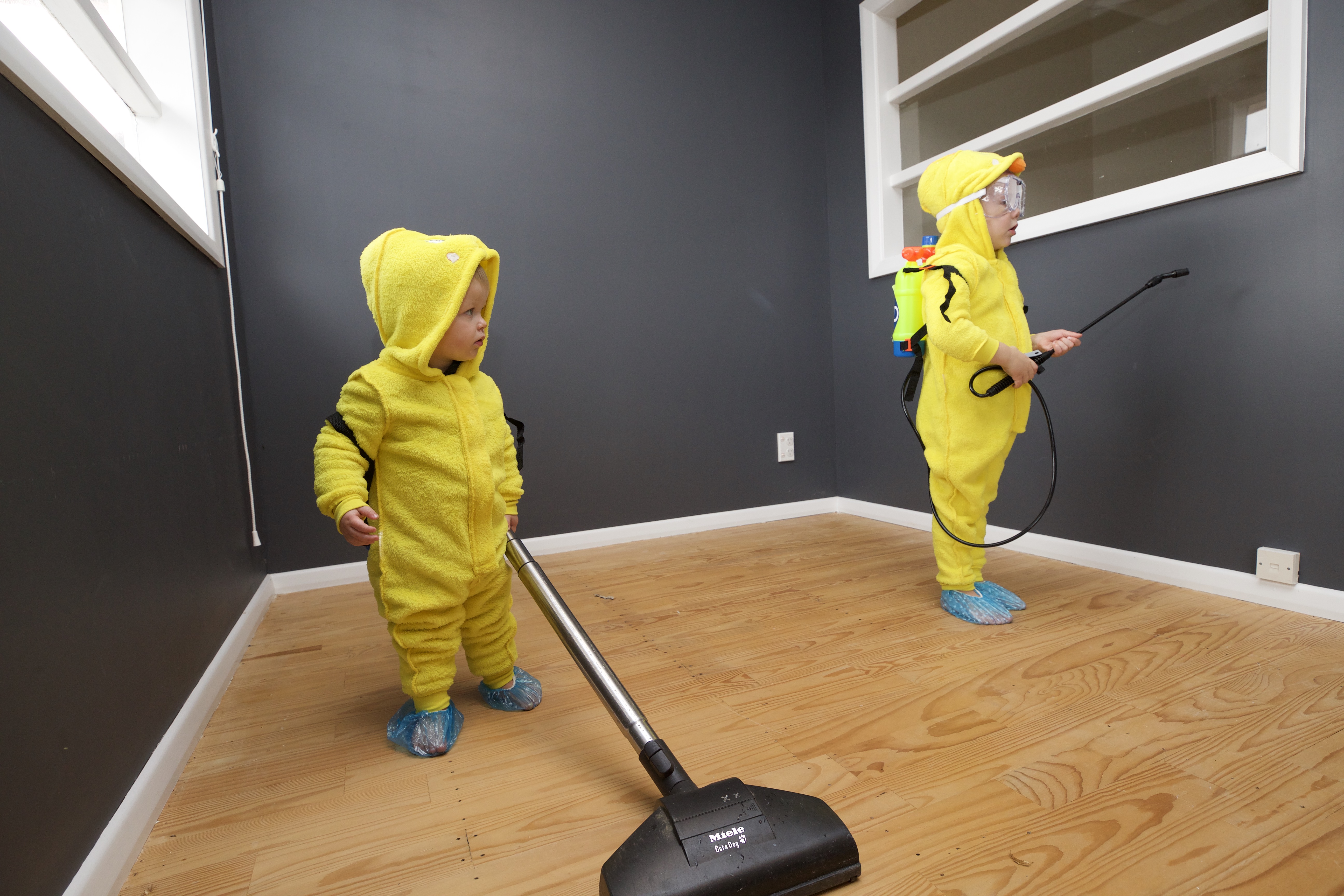

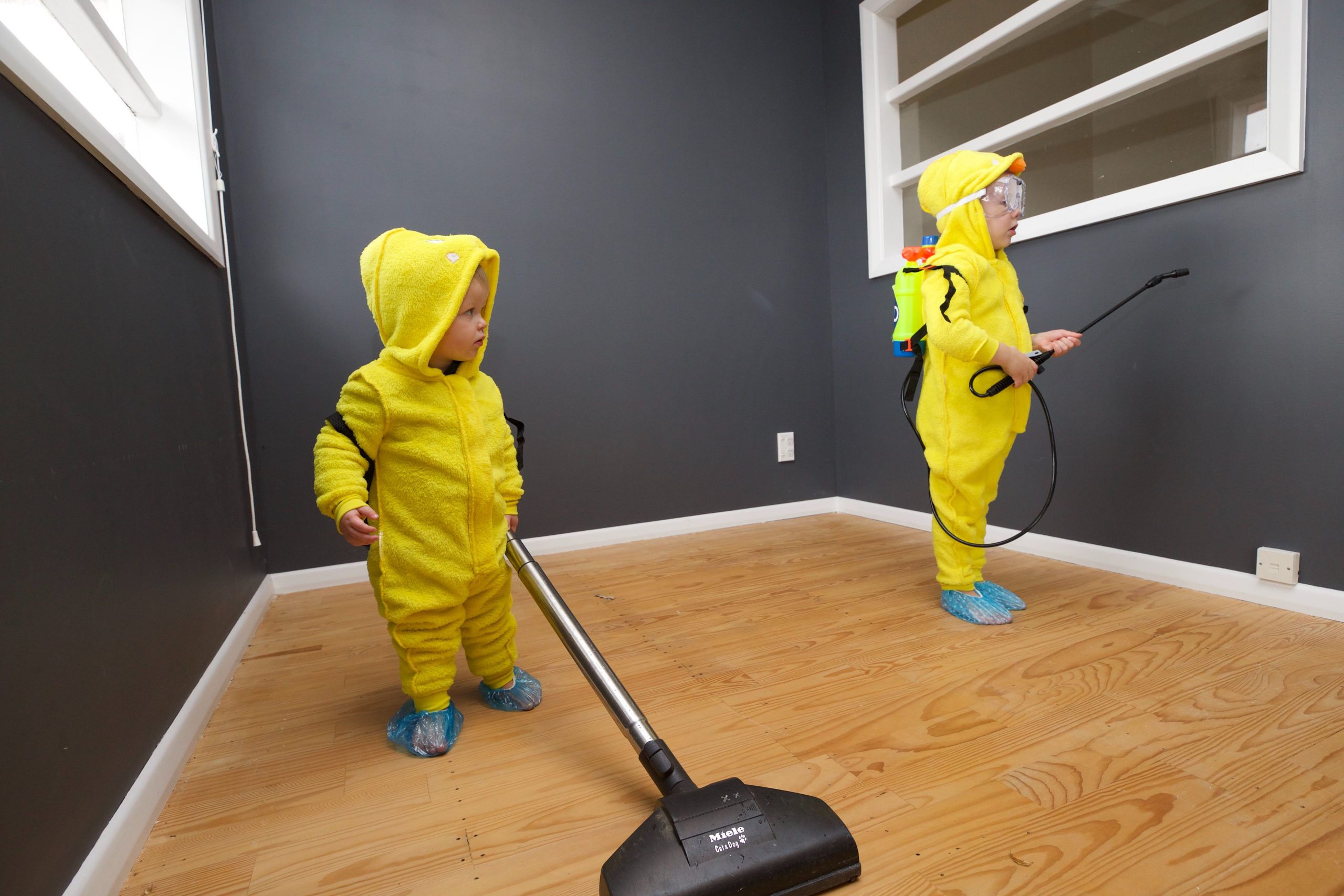
Protect your rental with initio’s landlord insurance
Related articles:
Is my rental property covered for meth?
What to do after a positive meth test
How do meth claims work?
Winter Checklist
Each year initio sees a significant rise in claims during the winter months. Traditionally winter is time of the year when we see the most storms, flooding and water damage. Winter is also when we spend the most time indoors. Not surprisingly most residential house fires occur during winter.
Kitchen fires make up about a quarter of all house fires – they commonly start from unattended cooking and can quickly spread. Use our handy checklist to improve the safety of your tenants and rental house from storm damage and house fires this winter.
- Clean the guttering and keep it clear of debris.
- Ensure any outside structures, such as trampolines and children’s play structures are secured to prevent them flying into your house during a storm.
- Keep trees trimmed and remove any overhanging branches. This will help to keep the gutters clear and prevent branches breaking off and damaging your home.
- Check window joinery and replace or repair any loose latches.
- Check the roofing, and arrange for loose tiles or iron to be secured
- Clean chimney flues annually and make sure heat pumps are serviced and cleaned regularly to prevent fires and ensure heating sources are operating efficiently.
- Consider installing safe and efficient heating sources. Tenants may even be happy to pay more rent in exchange for a heat pump.
- Consider removing curtains from kitchen windows as these provide an excellent fuel source for fire.
- Insist that tenants use camping type gas cookers outside only. When used indoors, these are both a fire hazard and health risk.
- Test smoke alarms at each property inspection. If tenants are removing the batteries considering replacing with a newer model that has a 10 year sealed battery.
- To reduce the risk of electrical fires, check power points for overloading. Where necessary consider installing additional power points. Faulty power boards are a common cause of fire.
- If your house has downlights installed prior to 2012, check that the ceiling insulation has the correct spacing around the lights to prevent overheating and fire.
While having good landlord insurance is an essential ‘safety net’, it is always best to be proactive in protecting your investment. Be sure to implement this checklist so that you can look forward to a trouble free winter.
Claims – what is and isn’t covered?
Here’s a simple list of losses that are and aren’t covered by Initio’s home and contents insurance policies.
Note this is not an exhaustive list but some of our more popular claims. Please refer to our full policy for more details.
Covered:
✅ Car crashes into front fence.
✅ Burglary.
✅ Candle is left burning unattended, curtain catches alight and the whole house burns down.
✅ Washing machine discharges into a full sink and floods the laundry and hallway.
✅ Child draws on bedroom walls with permanent marker.
✅ Tree falls on house in a storm and damages spouting and roof.
✅ Wind catches french door: bends frame and breaks glass.
✅ Frozen pipes cause pipes to crack and burst.
✅ Teenagers jostling each other in the bathroom and accidentally knock toilet over.
✅ Hot pot placed on kitchen bench and laminate top melts.
✅ Fence is blown over by high winds.
✅ Someone accidentally drives their car through the back wall of the garage.
✅ Bath is accidentally left running and it overflows.
✅ Car accidentally drives into garage door, bending it and knocking it off the runners.
✅ Laptop dropped and broken (owner occupied home with replacement contents only).
✅ Electric storm causes appliances to blow.
✅ Tenant is aggravated about being evicted and attacks the house with a golf club, leaving numerous holes in walls and smashed windows.
✅ Cellphone accidentally dropped in the toilet and no longer works (owner occupied home with replacement contents only).
✅ A full bottle of shampoo is accidentally dropped on the shower base and causes a crack. The shower is immediately turned off and a replacement shower base is installed.
✅ Potential buyer requests a methamphetamine test be completed prior to the sale of a rental property. Results come back positive and property requires cleaning. Total claim is under $30,000.
✅ Seal on a hot water cylinder fails as it’s old and brittle. Water slowly drips onto chipboard flooring causing it to swell and disintegrate, joists are damaged also. The replacement hot water cylinder seal is not covered, but the damage to the flooring is covered.
✅ Skirting boards appear swollen and wet behind a bookshelf, carpet is wet also. The cause is found to be a nail put through a PVC pipe years ago It has slowly rusted out, leaving a pin-prick hole which has been leaking for a week or two before it’s noticed. The repair to the pipe is not covered, but the water damage is.
Not Covered:
✖ Pot plant rots carpet.
✖ Roof tiles come loose over a period of time.
✖ Broken window glass that is not over excess amount.
✖ Tenant leaves house dirty and needs to be cleaned.
✖ Cat messes on carpet at various intervals and it isn’t cleaned properly. Stains & odour remain.
✖ Tenant leaves behind rubbish and insured has to pay to dump it.
✖ Tenant leaves behind personal belongings and insured has to pay to dump it.
✖ Shower base is cracked and water gets through, soaking the floorboards and joists.
✖ Sealer breaks down around a bath and water soaks through over a period of time.
✖ Oven elements rusted due to insufficient cleaning and maintenance.
✖ Damage caused by insects, rodents or vermin (other than possums)
“All claims are different and they are assessed on their own merits and facts. The above does not imply a guaranteed approach to all such claims”.
If you’re not sure what everything in your insurance policy means, our guide on how to read an insurance policy walks you through in a simple, easy-to-follow way.
Articles of interest
Landmark Court ruling means landlords (and their insurers) cannot recover damage costs from tenants
A landmark Court of Appeal ruling means landlords are now unable to recover the cost of any damage accidentally caused by tenants
AMI Insurance had been attempting to recover a $216,413.28 repair bill since March 2009, after a house it had insured was gutted by fire when a pot of oil was left unattended on high heat. Initially AMI applied to the High Court, but the tenants Kenji & Tieko Osaki argued successfully that the case should be heard by the Tenancy Tribunal.
When the Tenancy Tribunal ruled for AMI, the case went back to the District Court which reversed the decision, saying that the Property Law Act 2007 applied in this case and that the Osaki’s were not liable. Consequently, the High Court (in August 2014), and yesterday the Court of Appeal upheld this finding.
Under the Property Law Act, commercial tenants have immunity if there is inadvertent damage, and in this case the court ruled that this immunity applied to residential tenants as well.
The decision leans toward a “consumer protection” angle, in that:
- The court’s approach was to evaluate the “source of money” used to pay the premiums, reasoning that the insurance premiums form part of the market rent.
- The court also noted the imbalance of negotiation between an ordinary tenant (without a solicitor to advise) and a commercial lease where both parties will have legal advice.
Comment
Does this create a precedent?
It may do, but it is difficult to say without knowing if the judgement will be appealed or seeing any more similar cases before the courts.
Will insurance premiums for Landlords increase?
Probably, but not by a lot. Firstly, it is hard to say how many of these claims are concluded with the insurer recovering from the tenant, as usually the insurer only attempts recovery where the tenant was negligent, reckless or malicious in some way.
How will this impact the cover I have for my property?
The decision means that the excesses and any underinsurance will not be recoverable from the tenant, so it’s a good reminder to check that your sum insured is sufficient for your properties.
Note also that as the Initio is effectively insuring the tenant, the tenant is unknown, and the general market may require more information on the tenants before providing cover, or require a more robust tenant vetting process.
We understand that most landlords who have taken the steps to insure their property will have good practices in place, but another reminder to take care when selecting tenants.
As a Landlord how should I respond?
It is interesting that the Court of Appeal noted that insurance premiums form part of market rent. The obvious conclusion is that the tenant should pay the increased premium (and bear in mind that the tenant’s insurance premiums will reduce as they have no need to cover their liability to the landlord).
Alternatively, the commercial model could be applied, whereby the tenant pays the premium in addition to the rent as a condition of the lease. This approach is yet to be tested in the courts.
Will be there be an appeal?
AMI responded to the media: “At this moment we are still considering the significance of the outcome, most importantly for our customers, and are establishing a working group to look at the consequences.
While we must accept the Court’s decision we find this difficult to reconcile with the powers in the residential Tenancies Act for the Tribunal to order a tenant to pay a landlord money by way of damages or compensation for any breach of the tenancy agreement.
This is now a matter for parliament to address, and we are also considering how we can raise the matter into that arena.”
This article includes some of our opinion based on technical experience in the insurance market, we recommend you seek formal legal advice if you are seeking advice on how this impacts your specific situation and risk.
Are lawnmowers covered under contents insurance?
Lawn mowers (and other domestic garden appliances like a hedge trimmer) are covered as standard under our contents insurance. Lawn mowers do not need to be listed as specified item to be covered.
This also includes ride-on lawnmowers (as long as they are used personally at your house). If your ride-on lawnmower is used to make income, it’s deemed commercial use and cannot be covered under a domestic contents policy.
To learn more about our comprehensive replacement contents cover, see here.
Related articles