At initio, we’re all about providing clear and simple insurance solutions that fit your needs. However, there are a few types of insurance we don’t handle. Here’s a quick rundown of what we don’t currently cover, so you know exactly where we stand.
Stand-alone contents
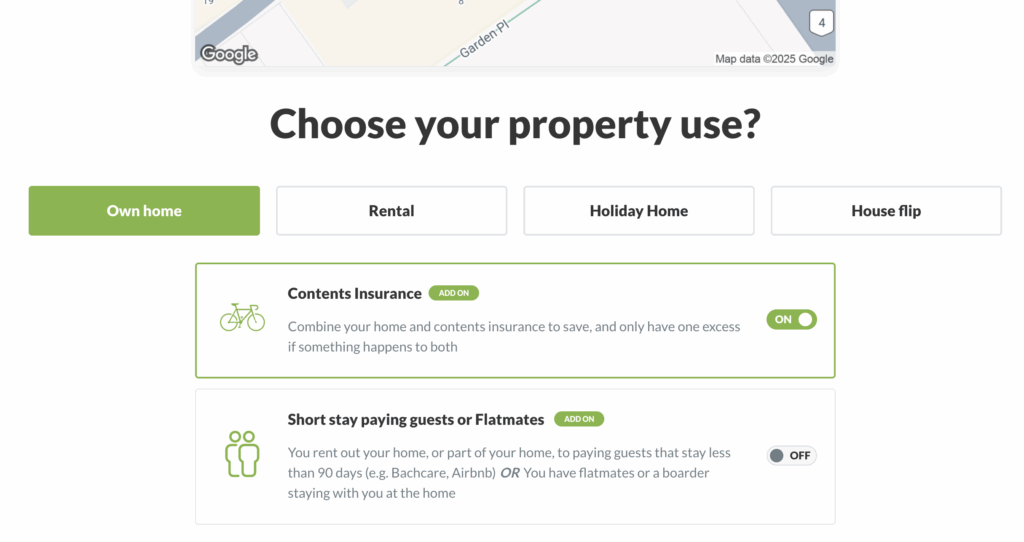
We understand that protecting your belongings is crucial. However, initio currently does not offer stand-alone contents insurance. Contents insurance is only available as an add-on to a home insurance policy for the same address as the insured property. If you are renting and only need to insure your contents, initio does not have an option for you at this time. If you would like a quote for contents cover for your existing home insured with us, please view the add-on option/quote by logging into your initio dashboard and using the ‘change’ options.
Life products such as Life Insurance, Income Protection and Mortgagee Protection
We do not offer life or income protection insurance. Life insurance ensures your loved ones are financially supported in the event of your passing, covering expenses like funeral costs and living expenses. Income protection insurance provides a regular income if you can’t work due to illness or injury, helping cover essential living costs. For these needs, we recommend consulting with specialised providers to get the comprehensive cover and peace of mind you deserve.
Travel
Planning a trip can be exciting, but it also comes with its own set of risks. Unfortunately, initio does not offer travel insurance. This means we do not cover trip cancellations, lost luggage, or travel-related disruptions. For these specific needs, we recommend looking into specialised travel insurance providers who can offer you the necessary peace of mind for your journeys.
Medical
Health and well-being are paramount, but initio does not provide medical insurance. Whether you need coverage for regular check-ups, emergency medical care, or long-term health treatments, you will need to find a dedicated health insurance provider. Our focus remains on property and vehicle insurance, ensuring that your primary assets are well protected.
Homes in transit
Moving homes can be a stressful experience, and ensuring your belongings are covered during the move is important. Unfortunately, initio does not offer insurance specifically for homes in transit. This means we do not cover any damage or loss that might occur while your belongings are being moved from one property to another. For coverage during your move, you will need to explore options with specialised moving insurance providers or seek transit cover from a broader insurance policy that includes this specific protection.
Contract works
We don’t have a product at into for contract works. If you’re renovating and making any structural alterations to your property, a standard house insurance policy won’t cover construction-related losses. For this, you need a Contract Works policy. This specialised insurance covers both the work being done and your home against construction-related losses. This can include issues like water damage from exposed cladding or structural damage caused by the renovations.
To make this easy for you, we’vepartnered with Builtin to offer the perfect Contract Works insurance solution. With Builtin, you can ensure that your renovation project is fully protected.
Body corporates
We cannot insure properties that are owned under a Body Corporate. Our cover is designed for domestic residential houses that have a single owner. Under a Body Corporate, there is a manager that collectively is responsible for insuring all the units on behalf of each owner. This is common where there’s a large number of living units, such as an apartment block.
Commercial/Business
We don’t provide commercial insurance at this time. Our primary focus is on landlords and homeowners, ensuring your residential properties are covered with the best possible policies. Commercial or business insurance is designed to protect businesses from a variety of risks. This type of insurance typically includes coverage for property damage, liability, and employee-related risks. It can protect against losses from events such as fires, theft, and lawsuits, and can also include specialised coverage like business interruption insurance, which helps cover lost income if your business is temporarily unable to operate. For business insurance needs, we recommend seeking specialised providers to get the tailored coverage your business requires.
Vacant Lots/Land or Lots/Land with only an Outbuilding
We only insure homes you can actually live in — so if it’s just a patch of grass, a shed (or a future dream build), we can’t provide cover until there’s a house on it.
Pet Health Insurance
While we love pets as much as you do, we don’t offer pet insurance. We recommend checking with providers who specialise in this area to find the best cover for your furry friends. We do, however, cover damage caused to your property by pets.
Motorcycles, caravans, tractors and classic cars
Generally speaking, motor vehicles (including quad bikes, motorbikes, and tractors) aren’t covered under your initio contents insurance. The only exception is for small, domestic-use vehicles listed in the policy definition of contents, such as electric wheelchairs, mobility scooters, golf carts, or children’s motorbikes under 50cc that are used only off-road. If you want cover for larger or road-legal vehicles like quad bikes, motorbikes, or tractors, you’ll need to arrange a separate motor vehicle insurance policy with a specialist provider, as this isn’t something initio offers.
Boats, jet skis, and other watercraft
Our cover doesn’t extend to boats, jet skis, or other types of powered watercraft. These fall outside the definition of household contents and need their own specialist cover. If you own watercraft, you’ll need to arrange a separate policy designed for marine risks, as they aren’t included under your home, landlord, or holiday home contents insurance.
Why these limitations?
Our goal is to offer you the most effective and straightforward insurance solutions. By focusing on specific areas, we ensure that our policies are comprehensive, easy to understand, and tailored to your needs. We believe that doing a few things exceptionally well is better than spreading ourselves too thin.
What we DO cover
For pretty much everything else, we’ve got you covered! We provide a wide range of insurance options to keep you protected. If you’re not sure which is the best cover for your situation, we recommend you visit our ‘help me choose’ page. Here’s a simple breakdown of our current insurance options:
We pride ourselves on providing excellent cover for your property. Our policies are designed to be simple, effective, and hassle-free. We’re always here to help you find the best solution for your insurance needs.
If you have any questions or need further clarification about what we cover, feel free to reach out. We’re here to help!
Final thoughts
While we do cover a whole heap of things, here are a few others we also don’t cover, just in case you were wondering:
Pet dragons – Sorry, your fire-breathing friend is a bit too hot to handle.
Alien abductions – We haven’t quite figured out how to insure intergalactic incidents yet.
Time travel mishaps – If your time machine breaks down in 2050, you’re on your own!
Unicorn stables – Magical creature houses aren’t covered, but we admire your imagination.
If none of this applies to you…
Great! You’re probably exactly the kind of property owner we can cover. Getting a quote takes just a minute, and there’s no paperwork or waiting.
If you own a property with two dwellings and rent them both out long-term (90 days or more per tenant), it’s important to have the right insurance to protect your investment. Whether the dwellings are separate or physically connected will determine the type of insurance you need.
What type of rental arrangement is this?
Two homes, same site
Both rented on long-term residential leases
What insurance do you need?
The right insurance depends on whether the dwellings are physically connected or separate:
If the dwellings are NOT physically connected (e.g., separate buildings on the same section):
If the dwellings ARE physically connected (e.g., one upstairs and one downstairs, or connected by a wall, roof, or garage):
You can use our Multi-Unit Rental policy, which provides coverage for both units under a single policy. you’ll need to state the number of self-contained dwellings at the address. This helps ensure you get the right level of cover for your property setup.
On the full quote screen, click ‘back’ to edit the second dwelling’s details if needed.
If both properties are the same size or the details are already correct, no changes needed.
Once you go back, edit the property details, then click ‘continue’
This will adjust the quote to reflect the correct figures for the property.
Finish the quoting process from here per the usual process – Easy!
You can get a quick quote and buy insurance online in just a few minutes with initio. Make sure you choose the right policy based on whether your dwellings are separate or connected. Getting a quote and buying insurance online with us is easy, but our cover is anything but basic. We offer comprehensive protection to ensure you’re fully covered.
Not quite what you’re looking for? Maybe some of these other scenarios suit you better:
Working out the right sum insured can be harder when your home is not standard. Renovations, custom features, and specialist materials can all affect what it may cost to rebuild, and those details are easy to overlook.
Online calculators can be a helpful place to start. They are designed to give you an estimate based on typical building replacement costs, using the information entered along with available property and construction data.
Online calculators do not provide advice, and they may not capture every detail that could affect the rebuild cost of your home. If you would like a more tailored assessment for your specific property, a quantity surveyor or insurance valuation service may be the best option.
Key takeaways in this article
Renovations can increase rebuild costs
Unusual homes may cost more to rebuild
Non-standard materials can affect your sum insured
It’s worth checking whether the estimate feels right for your home
Why this matters for insurance
Your house insurance should reflect what it may cost to rebuild your home to a similar size and standard using today’s building costs.
For many homes, an online calculator can provide a useful estimate. But if your home has unique features, premium finishes, or non-standard construction, the cost to rebuild may be less straightforward. That is why it is worth taking a closer look before relying on the result.
What counts as an unusual feature?
An unusual feature is anything that could make your home more expensive or more complicated to rebuild than a typical home of a similar size. This might include:
architectural design features
high or vaulted ceilings
custom kitchens or bathrooms
bespoke joinery
imported fittings or finishes
unusual rooflines
heritage details
specialist glazing
detached studios or sleepouts
retaining walls or complex outdoor structures
These types of features can all add cost and may not always be fully reflected in a standard estimate.
How renovations can affect rebuild cost
Renovations can improve the layout, finish, or quality of a home, but they can also increase what it would cost to rebuild. For example, rebuild costs may be higher if you have added:
an extension
a new kitchen or bathroom
premium flooring
double glazing
custom cabinetry
upgraded cladding or roofing
decks or attached outdoor living spaces
Even if the work was done years ago, it can still affect what your home would cost to rebuild today.
Why non-standard materials matter
Some homes are built with materials or methods that are less common. This can make rebuilding more expensive, especially if the materials are harder to source or require specialist trades. Examples can include:
specialist cladding
imported tiles or finishes
plaster systems
unusual timber treatments
stone or decorative masonry
architectural glass
custom metalwork
If your home includes materials like these, it is worth making sure your sum insured reflects that.
Older homes can have hidden complexity
Older homes can also be more complex to rebuild than people expect. They may include features such as native timber, ornate detailing, decorative ceilings, original fittings, or older construction methods. Even if you would not replace every detail in exactly the same way, older homes can still involve more labour and higher rebuild costs.
Before relying on the estimate
If your home has been renovated or includes unusual features, it is worth asking yourself:
Have I upgraded parts of the home since I last reviewed my cover?
Does my home have high-spec or custom finishes?
Are there any specialist materials that may cost more to replace?
Is my home harder to rebuild than a standard house of similar size?
Would site access make demolition or rebuilding more expensive?
These questions can help you decide whether the estimate feels realistic for your home.
Why a calculator is still useful
An online calculator is still a helpful starting point. It can do a lot of the heavy lifting and help you get close to a realistic figure without having to work it all out from scratch.
Initio uses the Cotality Sum Insured calculator to help estimate what it could cost to rebuild your home. It uses the details you enter, or confirm, and compares them with construction industry data to generate an estimated rebuild cost for the improvements on your property. The main thing to remember is that it provides an estimate, not a tailored assessment. If your home has features that make it different from a more standard property, it is worth taking the time to sense-check the result.
Final thoughts
If your home has unusual features, renovations, or non-standard materials, it is worth giving your sum insured a bit more attention. These details can all affect rebuild cost, and they are easy to underestimate.
An online calculator can help you get started, but the final figure should still feel right for your home. If you are unsure, getting a more tailored assessment from a quantity surveyor or insurance valuation service may give you more confidence in the amount you choose.
Yes. Renovations can increase the cost to rebuild your home, especially if they involve extensions, upgraded finishes, or custom features.
What are non-standard materials in insurance terms?
These are materials or construction features that are less common and may cost more to source, replace, or rebuild.
Can a standard calculator still work for an unusual home?
Yes, it can still be a useful starting point. But if your home is more complex than average, you should review the result carefully.
Why would an architecturally designed home cost more to rebuild?
Architectural homes often include more complex design features, specialist materials, and higher-end finishes, which can increase rebuild cost.
Can site access affect the cost to rebuild?
Yes. Steep, narrow, or difficult-to-access sites can increase demolition and rebuilding costs.
Written by Toby Pudney – Initio’s Support Team Lead
Toby has been with initio since 2023 and is the Support Team Lead. He brings more than six years of experience in the insurance industry, giving him strong knowledge of general insurance. He has studied with ANZIIF and holds a qualification in New Zealand Compliance for Advisers (General Insurance Broking).
In most cases, before your loan is approved, and definitely before settlement day.
When you’re buying your first home, insurance can feel like just another admin task. But it’s one of the most time-sensitive steps in the process. Most banks won’t release funds for your mortgage until they’ve seen proof your new place is insured – and that means sorting cover before settlement day.
Here’s when you’ll need to act, depending on how you’re buying:
🏠 Buying at auction?
You’ll need to get insurance sorted before you bid. That means:
Making sure the house is insurable (some homes aren’t — especially if they’ve had past damage or structural issues)
Getting a Letter of Intent from your insurance provider to confirm you can get cover if you win
Pro tip: If you win the auction but can’t get insurance, you’re still locked into the purchase. Don’t risk it.
💼 Making a conditional offer?
Most finance clauses require proof of insurance before the bank confirms your loan. That usually means:
📌 Don’t wait until the day before — with initio, you can set your policy up to start up to 30 days in advance.
What’s the easiest way to show your bank you’re sorted?
With initio, you’ve got two options:
📝 Letter of Intent – For when you haven’t confirmed the purchase, but need to show the home can be insured.
📄 Certificate of Insurance – For when you’re ready to activate the policy. It confirms the house is fully covered from your chosen date.
Can we insure the home before settlement for early possession?
Initio is unable to provide insurance cover for a home before the settlement date, even if you have early possession. Insurance can only start from the day you become the legal owner, which is the settlement date. If you need to arrange cover, you can set the policy start date as your settlement date when purchasing a new policy.
Other times you’ll need to arrange insurance:
🛠 Planning renovations before you move in?
If you’re doing cosmetic renovations (carpet & flooring, painting, removing non-load bearing walls), you may need a House Flip policy. Learn more.
🚚 Moving house?
Need a new policy for your new address? Make sure it’s in place from takeover day to moving day to avoid any gaps in cover. Learn more
No waiting. No phone calls.
Get a quote in seconds, see if the property is insurable, and download your documents instantly.
1.1 Acceptance of terms and conditions: The terms and conditions are the terms on which you, the insured (You), and Initio Limited agree to transact insurance business online. By insuring through Initio you accept these terms and conditions. If you do not accept these terms and conditions, you must refrain from using the Services.
1.2 Amendment of terms and conditions: These terms and conditions may be amended in whole or in part by Initio from time to time. Amendments will be effective immediately upon posting of the amended terms and conditions on this Website. You are responsible for ensuring you are familiar with the latest terms and conditions. Your continued use of the website and associated dashboard represents your agreement to be bound by the terms and conditions as amended.
1.3 Terminology: In these terms and conditions, the following expressions have the meanings set out:
‘member’ means a registered member and customer of Initio;
‘Services’ means any one or more of the services offered by Initio Limited from time to time, including online insurance, claims updates and management, message boards and blogs, other service that Initio may offer;
‘we’, ‘us’ and ‘our’ are a reference to Initio Limited ;
‘the Insured’ ‘you’ and ‘your’ are a reference to you;
‘Dashboard’ means the online application used to manage your insurances
‘Website’ means any Initio website through which the services are offered;
SPECIFIC
2.1 The services: Initio is an online insurance platform. Initio from time to time may add new insurance products and services. It will inform customers of new products. The policy wordings for each product are expressly provided and available on the the Website. We website provides general information and guides on insurance products. We do not recommend a specific insurance policy for you, or provide financial advice. The general information on our website has been provided to you without considering your personal circumstances, financial situation or needs. You should always consider the appropriateness of the information provided having regard for your personal circumstance, financial situation or needs. If you make direct contact with our support team we will provide guidance based on our insurance products, claims, our Website, and our platform. Do not consider any feedback we provide as being financial advice.
2.2 Disclaimer: You expressly understand and agree that:
no advice or information that is obtained by you from Initio or anyone else shall create any warranty by Initio that is not expressly stated in the terms and conditions or in your policy; and
the responsibility to act in good faith and disclose all material circumstances as required by law and by insurance contact are your sole responsibility as the insured.
while Initio facilitates the payment with Windcave or Stripe, initio is not responsible for the misuse of credit card information.
while Initio has systems in place to reduce the risk of credit card fraud, Initio is not responsible for protecting members from credit card fraud. Windcave’s and Stripe’s fraud protection systems may from time to time block legitimate credit card payments. In these cases payment may need to be made by other means.
2.3 Liability: You agree that, to that which is permitted by law, any and all liability and responsibility of Initio to you or any other person under or in connection with these terms and conditions, or in connection with the services, this Website, or your use of or inability to use, the services or this Website, is applicable only to the extent that Initio is considered grossly negligent.
2.4 Indemnity: You agree to release, indemnify and keep indemnified, us from and against all actions, claims, costs (including legal costs and expenses), losses, proceedings, damages, liabilities, or demands suffered or incurred by us to any person arising out of or in connection with your failure to comply with these terms and conditions.
2.5 Breach: Without limiting any other rights and remedies available to Initio, Initio may limit your activities on the Website, or refuse to provide our Services to you if you breach these terms and conditions and/or where Initio considers it appropriate your insurance policy(s) may be cancelled with appropriate notice. refer 2.6.
2.6 Insurer going off risk: An insurer or Initio may, while providing 14 days notice, cancel your policy. The insurer or Initio may determine that, from the information you have provided or due to a breach detailed in 2.5, the risk is too great and they do not wish to continue with the insurance. You will be formally issued with a cancellation notice by email.
2.7 Policy Management: Initio Limited is responsible for the management of your policy(s) and claim(s) with the Insurer.
2.8 Contacts: All queries will can be addressed to Initio C/- Initio Limited. Or informally through the contact details located on this website.
GETTING INSURED / BECOMING A CUSTOMER
3.1 Becoming a Customer: You instantly become an Initio customer when you purchase your first policy. Your login details will be emailed to you. You can only become a customer if you have property located in New Zealand and can form a legally binding contract that is enforceable against you. By becoming a customer , you warrant that you can form a legally binding contract and that the property on which you seek insurance is located in New Zealand.
3.2 Accurate Information: You warrant that you have provided complete, accurate and current personal information when becoming a customer or when you are obtaining an insurance policy online. You must maintain and update your personal information held by Initio to ensure it is kept current at all times. Initio may phone or email you to verify these details. You must not register as a customer under multiple identities or personas (whether false or not). Under a single customer account you can insure and manage multiple properties.
3.3 Termination: Initio reserves the right to decline to register or to terminate login without entering into further discussions with you. Without limiting the foregoing.
3.4 Security of your login information: You are responsible for keeping your login information, including your email address and password, secret and secure. Without limiting the foregoing, you agree:
not to permit any other person to use your user name or membership (except for duly authorised representatives); and
not to disclose, or provide to any other person, your password, email address, date of birth or any other information in connection with your membership that may allow them to gain access to your login (except for duly authorised representatives). NOTE that we can add authorised persons to your insurance policy if you require.
3.5 Emails and newsletters: Initio will send you emails relating to your policies, transactions, claims, and other activities you may perform on the dashboard. Initio may also email you for announcement and marketing of other Initio products and services to you. Initio may also send regular electronic newsletters to you about current products, updates and initiatives. Newsletters will contain clear and obvious instructions for how you can unsubscribe from the mailing list.
IMPORTANT INSURANCE OBLIGATIONS
4.1 Your obligations as the insured
You must comply with all warranties, endorsements and conditions of the insurance contract (policy wording and schedule of insurance). The policy wording is available on this website.
You are to act in good faith at all times.
You must comply with all statutory requirements and common law rules relating to the transacting of insurance business.
To become insured, you’ll need to make payment online using a credit card, debit card, account2account or online EFTPOS.
e. You have a general duty of disclosure. You are responsible on an ongoing basis for providing the insurer (initio as representative) with all material facts relating to the insurance contracts you transact online. Material facts are those that would influence an insurer when they were deciding whether to accept the risk, and the terms and conditions that would apply. Failure to provide full and accurate information may mean that your cover is reduced, cancelled, or if the non-disclosure is fraudulent, the insurer may be able to avoid (cancel) the contract from the beginning. If you are in any doubt as to what facts are considered to be material you should disclose them to the insurer.
f. You must provide accurate, complete and timely information to us. You are responsible for all information you provide in any proposal, claim form or other material document. We are not responsible for checking the accuracy or completeness of any information you provide to us or any insurer. We will not be responsible for any consequence resulting from a failure by you to disclose all material facts to an insurer (including, without limitation, the possibility of your insurance policies being rendered void or limited)
g. You must advise us (or your insurers) as soon as is reasonably practicable of an event or circumstance that may give rise to a claim or potential claim. If you do not inform us (or your insurers) of such a claim or potential claim you may prejudice your rights under your insurance contracts. You will be advised if you need to complete a claim form or produce documentation to support your claim.
h. After receiving your insurance documents from us, you should check them and advise us promptly of anything that does not meet your requirements or requires clarifications. Any errors or concerns should be notified to us immediately.
i. Please note that we have no obligation to fund any premium, taxes or fees (if applicable) on your behalf and we have no responsibility for any loss you may suffer as a result of insurers cancelling the insurance, taking any prejudicial steps as a result of late payment, or your failure to renew your insurance policy prior to its expiry.
j. Insuring your property; you are responsible for the insured value of your property. The ‘replacement sum insured’ of the policy represents the total replacement value of your dwelling, including improvements. We do not accept any responsibility for the accuracy of this value. You are responsible for determining and accepting this value. We are not valuers and cannot advise on the replacement value of you property.
h. You are responsible for the continuity of your insurance cover. Your insurance policy will not renewal automatically and does not continue without your active renewal of the policy. We will automatically notify you by email at least 30 days prior to the expiry of your policy. If you have not renewed your policy 7 days prior to its expiry we will notify you by email again. Your policy will expire at 4.00pm on the date of expiry and we will further notify by email that the property is no longer insured. It is very important that you actively renew your policy if you wish cover to continue. It is your responsibility to ensure that you have access to and check the email address of which you have notified us. Cover extensions of up to 14 days can be granted only upon request. Please contact our office by email or phone if you require an extension of cover.
REMUNERATION
5.1 Income& Premiums
Initio earns commission from the insurer from transacting your insurance policy.
Initio may also charge a fee (included in your premium) for transacting your insurance policy.
Premiums and fees may be subject to change.
All amounts are inclusive of GST and in New Zealand dollars unless otherwise stated.
The total insurance cost includes the insurance policy charge, commission, any fees, relevant government levies; including Fire Service Levy and Government Earthquake Levy.
6.1 System Integrity: Initio will use its reasonable endeavours to ensure the availability of the Website and Services, subject to any downtime required for maintenance. However, Initio takes no responsibility for any system unavailability, or for any loss that is incurred as a result of Website or Services being unavailable; except for one your service unavailability has prevented a member from renewing their policy prior to expiry. Further, Initio assumes no responsibility for the corruption of any data or information held by Initio.
6.2 Complaints: Please refer to the Initio complaints procedure if you wish to lodge a formal complaint.
6.3 Force Majeure: Without prejudice to clause 2.3, Initio has no liability for any lack of performance, unavailability or failure of the Services or the Website, or for any failure of Initio to comply with these terms and conditions where the same arises from any cause reasonably beyond the control of Initio.
6.4 No Waiver: If we do not exercise or enforce any right available to us under these terms and conditions, it does not constitute a waiver of those rights.
6.5 Partial Invalidity: If any provision of these terms and conditions becomes or is held to be invalid, unenforceable or illegal for any reason, and in any respect, that provision shall be severed from the remaining terms and conditions, which shall continue in full force and effect.
6.6 Governing Law: These terms and conditions are governed by the laws of New Zealand.
6.7 Intellectual Property Rights: Initio (and its licensors or suppliers, as the case may be) owns all proprietary and intellectual property rights in the Website (including text, graphics, logos, icons and sound recordings) and the software and other material underlying and forming part of the Services and the Website. Initio is a registered trademark of Initio Limited.
You may not without our prior written permission, in any form or by any means:
Adapt, reproduce, copy, store, distribute, print, display, perform, publish any part of this Website; or
Commercialise, copy, or on-sell any information, or items obtained from any part of this Website.
6.8 Entire agreement: These terms and conditions supersede all previous conditions, understandings, commitments, agreements and representations whatsoever whether oral or written, and constitutes the entire agreement, between the parties, relating to the subject matter of these terms and conditions.
6.9 Privacy: Initio collects personal and risk related information about you through your use of the Services and the Website, including:
your personal contact information; and
information about the things you are insuring; and
information relating to your use of the Website and the content you access.
In order to establish valid insurance contracts, Initio will pass your personal and risk related information onto third party insurers. This is necessary for an insurer to underwrite the risk. You agree that this information will be provided to insurers and another person involved with underwriting the risk or assessing/managing any claims.
You agree that Initio may use this personal information to assist us to provide the Services to you, for internal research purposes, to verify your identity, for promoting and marketing existing and new Initio products and Services to you, and for any other use that you authorise.
If we collect a review from you about your experience with us or the products we sell, we may use your review to show to others, including on our website and as part of digital or physical marketing material. We will only ever show your first name and region (eg John, from Hamilton).
If you are are referred to us by another party (eg an association, mortgage provider, comparison website) you consent to us sharing some basic information including your name and the property insured with that referrer. In the case where you have started an insurance policy through an insurance platform such as Quashed you consent to us sharing the insurance cover information (ie your schedule of insurance) with that provider. If you are a client of, or have been referred to us, by an insurance broker then you content to us sharing your insurance and personal information with that broker including the specifics of the insurance covers you have in place with us, and the details and progress of any claims you lodge with us.
We will not sell or allow third parties to access your personal information without your consent or unless otherwise agreed under these terms and conditions.
6.10 Discounts and Preferential Pricing: If you are a member of an organisation, with which initio has a preferential pricing arrangement, we will show the saving amount on the new business or renewal quote, and on the invoice. Preferential pricing is applies to the insurer premium component only, and are applied before any government levies, government premiums, or fees are factored in. The preferential price may not apply if the insurer premium is below our minimum insurer premium charge. The preferential price will only apply if you quoted and started your insurance cover through the dedicated landing page of a partner with which we have the special arrangement.
It is this dedicated page that recognises you as a member or client of that particular organisation, which then validates the application of preferential price. It is your responsibility to use the correct page. If you start your cover through another part of the initio website and do not receive the preferential price you can contact us and confirm your membership with that organisation. Once we have been notified, we can update your account so that future applicable renewals or policy modifications will receive the preferential price going forward. We are under no obligation to backdate the application of any preferential price that did not apply to previous transactions.
For the avoidance of doubt, any preferential pricing or discounting does not apply multiple times or “stack”, but is instead priced based on the membership organisation and page you have chosen to transact through.
If you are an existing client of initio when an organisation you are part of enters into a partnership with initio, which includes a preferential arrangement, it is that organisations responsibility to communicate with you about the partnership and its benefits. It is then your responsibility to advise us that you are a member or client of that organisation so that we can update your account. From the date you advise us, any agreed benefits will be applied to applicable future policy renewals, policy modifications and new policies. We are under no obligation to backdate any preferential pricing or benefits that have not been applied to previous transactions occurring before:
a. the commencement of the new partnership, or
b. the date you advised us that you are a member or client of that partner.
Not all policy types receive are applicable for preferential pricing.
If you receive preferential pricing or discounting that you are not entitled to (for example, your membership with an organisation that entitles you to a discount, has lapsed OR you illegitimately use a partners link) we reserve the right to immediately apply standing pricing. The application of standard pricing will be applicable to future policy renewals, policy modifications and any new policies added through your dashboard. If you become aware that you are obtaining benefits that you are not entitled to you must notify us immediately.
WEBSITE TERMS OF USE
7.1 Permitted use: You are not permitted to use this website other than for the following purposes:
(i) viewing this website;
(ii) getting quotes for your own insurance;
(iii) obtaining insurance for your own property or vehicle;
(iv) managing, changing, cancelling your insurance
(v) making claims on your insurance
(vi) transferring to other websites through links provided on this website; and
(vii) making use of other facilities that may be provided on the website.
The use of automated systems or software to extract data or quotes from this website for commercial purposes, (‘scraping’) is prohibited unless the third party has directly executed written licence agreement with Initio which permits it access to Initio’s price, and insurance information.
At initio, we don’t ask you 30 questions to get a house insurance quote. We simply ask one – what’s your property address?
We can do this because we use verified property data instead of manual forms. By entering your address, our system pulls key details automatically, letting you see a quote in seconds.
While many insurance providers rely on long application forms and manual inputs, our system does all of this heavy lifting for you behind the scenes. In a few clicks, you’ll see a quick quote – no fuss, no obligations.
How does initio know about my property?
A quick quote is the starting point for your house insurance policy. It’s based on verified property data from sources like LINZ and local councils – things like the size of the home, its construction, and whether it sits in a flood or earthquake zone.
Let’s dive into this a bit more.
Why we don’t need you to answer a lot of questions
Because our quoting engine already knows the answers. And if we see something missing, our underwriting team steps in to review it with you.
Behind the scenes is Locatio, initio’s in-house property risk scoring platform. It checks things like:
The age of your house
The floor area in square metres
Whether you’re on town or tank water
If the home sits in a natural hazard zone (like floodplains or seismic areas)
This lets us assess risk instantly and provide a quote without needing to quiz you first.
Fun fact: When we first launched our quoting system, it was so fast that people thought it hadn’t worked properly. We had to add a loading screen just to provide confidence it was doing something.
We keep it up to date by regularly refreshing the data and adapting it to new hazard insights across New Zealand. That means what you see on screen is backed by real-time information and market-leading risk modelling.
Why we built Locatio
It was built by our in-house development team in response to one of insurance’s biggest pain points: slow and confusing quote processes. By building an innovative platform to minimise a pain point in the industry, we can power thousands of quotes every month for almost every property in New Zealand, in seconds.
Does this affect my cover or my ability to choose?
No, initio’s quoting tool allows you to view at glance what you could be paying. Once you have viewed your quote, you can tailor your cover by adjusting the sum insured, choosing your excess, and adding any extras. It’s simple, clear, and takes minutes, not hours.
When we might still ask for more information
Sometimes our quoting system may not be able to find or pull data for your address. Because Locatio relies on council and LINZ data, there may be occasions where this information isn’t available. If that happens, we may need to ask you for a few extra details.
Things like new builds, title changes, multi-unit properties or subdivisions can cause the information to be unavailable due to the council records or data not being updated as of recent. Sometimes our quoting tool may not be able to pull one piece of information that is missing.
When this does happen, you will be reverted back to the property information and asked to manually add it in. While this may cause an inconvenience, it is important we have this information so we are able to calculate the risk at hand.
So what does this actually mean for you?
All of this clever tech is there for one simple reason: to make getting house insurance easier, faster, and less frustrating.
For you, that means:
You don’t have to hunt down paperwork or guess details about your home
You can get a quote in minutes, not hours
You can see a price upfront without pressure or obligation
You’re less likely to get surprises later, because the quote is based on real property data, not assumptions
By using verified information from the start, we reduce back and forth, delays, and confusion. You stay in control, with clearer information and fewer hoops to jump through.
In short, less admin for you. More confidence in what you’re looking at.
Our technology doesn’t stop at the quote
The same thinking behind our quoting tool runs through everything we do.
If your situation is straightforward and uncomplicated, you can:
Get a quote
Tailor your cover
Set up your policy
Become a customer
All in just a few minutes, online.
That tech-first approach also carries through to claims. Lodging a claim is designed to be simple and clear, with digital tools that guide you through the process and keep things moving. No unnecessary steps, no guesswork about what happens next.
We use technology where it genuinely helps, and people where it matters. That balance is what allows us to move quickly without losing the human side of insurance.
Summary
What began as a simple solution to a common problem has grown into an award-winning innovation. But the real benefit isn’t the awards. It’s the time saved, the clarity gained, and the confidence customers feel when organising their house insurance online.
Natasha has been with initio since 2023. In her first year, she worked closely with the support and marketing teams before moving into digital marketing.
She has studied with ANZIIF and holds a qualification in Understanding General Insurance Products and Policies. She also completed a Bachelor of Business at the University of Waikato, majoring in Strategic Management and Marketing.
Here’s what you need to know to insure your main home if it’s also rented to short-term guests.
What can be covered? A shared primary residence
If the house is your primary residence, we can cover your own home that’s also rented with our Own Home Rented product. However, it’s required that you share the use of the property with guests.
The two most common scenarios for renting your own home are:
You rent out part of your home to short stay guests while you still live in the property (e.g. a room or downstairs).
You rent out you whole house to short stay guests when you’re not living there (e.g. you go overseas or stay in your holiday home).
If your house is not your primary residence, it may be able to be insured as a Holiday Home also Rented. Learn more about insuring holiday home rentals here.
Essentially, our guest rental cover only applies to properties that have shared use (at-least occasionally) by the owner. We’ll explain why next.
What can’t be covered? A dedicated short-stay accommodation
We can’t insure a dedicated short-stay living unit that’s only used for guest accommodation. When a unit is used solely for guests it becomes a commercial property – similar to a motel.
The EQC’s $150,000 of natural disaster cover will not apply to a ‘dedicated short stay’ as they are considered commercial risks. Our domestic house insurance policy assumes part of the natural disaster risk is covered by the EQC. A dedicated short stay rental therefore needs to be covered under a commercial material damage policy, where the insurer covers 100% of the natural disaster risk.
Please note the definition of a dedicated short stay property is any living unit that is set up purely as a commercial enterprise and the owners don’t use it or intend to use it for their own purposes (or for somebody else to use it as their home).
Is a secondary unit at my house covered under my house insurance policy?
Yes, as long as it’s not a dedicated short stay unit – and it’s used by yourself (at least occasionally) as part of your own home.
It’s common for people to have an additional self contained living units at their houses. It’s common to have a separate unit at the back of the house, or a downstairs living unit with its own access. Often these are rented to short term guests (via Airbnb or BookaBach), or longer term boarders for additional income.
If you don’t use this unit yourself (at least occasionally) then we can’t insure it together with the main house.
If the unit is used purely for short terms guests a commercial policy is required. If the unit is simply rented to tenants you’ll need a separate landlord insurance policy for it.
Short Stay Airbnb Unit Example
If the additional unit is used by both the owner and short-term guests we can provide cover under our own home rented.
If the additional unit’s use is shared by the owner (themselves or family) as well as short-stay guests, it can be covered under our Own Home Rented product.
When the living unit is solely rented to guests and not utilised by the owner, it is deemed a dedicated short stay. EQC cover does not apply, and we can’t provide cover.
An example of this is where the unit is used for children when they return home from university and other times the unit is rented to short stay guests. This can be insured under a Own Home Rented policy on the main house.
Renters or Boarders Unit Example
If the rental unit (for example downstairs unit) is only used for a longer term tenants (i.e. more than 90 days) or boarders and not utilised by the owner themselves – this can’t be insured under a single Own Home Rented policy. In this instance, a separate Landlord Insurance policy is required to cover the self-contained rental unit.
If you need help working out which insurance or combination of insurance is best for you, see our home & income insurance page.
What is Covered?
Our Own Home Rented product takes all of the standard owner occupied policy features, and includes extra cover for the risks of renting. You can also choose to add personal household contents cover. You can get the peace of mind that your property and contents itself is covered, while the risks associated with renting your house to guests is insured.
Generally a standard house insurance policy won’t cover guest risks, so it’s important for owners to get the right cover. The extras included in the own home rented cover includes:
What happens if my house is too damaged and can’t be lived in?
If your house is too damaged to be lived in (like a fire or flood) there is cover (up to $20,000) to go towards moving into a temporary house while repairs are completed. If you also get regular rental income from guests there is cover for your lost rents you would otherwise have got if your house wasn’t damaged.
We provide $20,000 of loss of rents cover for free, with options to increase to $40,000 or $80,000. Both loss of rents and alternative accommodation have a payout period of 12 months.
The Loss of Rent calculation will take account of future actual guest bookings that are cancelled, and expected bookings based on the same period in the previous year. If you are new to the home and income game then we will use short-stay occupancy rates in that particular region to estimate the loss. If you have a boarder or tenant with a fixed weekly rent then that amount will be used.
The policy aims to put the owner in the same financial position they were in before the loss, by paying for the repair costs and lost rental income – all while paying for the owners temporary accommodation costs.
So, you’ve bought a do-up. You’ve watched the videos, binge-scrolled the before-and-afters, and maybe even recruited your dad for “a quick paint job” that’s already turned into three weekends and a strained hamstring.
But before you swing that sledgehammer (or hire someone who will), it’s important to know this:
Initio’s house flip insurance is for light, cosmetic renovations only. If you’re planning structural changes, you’re going to need something stronger than paint, and a different type of insurance
Take our highly scientific quiz to find out whether your reno project is House Flip cover material – or heading straight into contract works territory.
You walk into your reno project. What’s your first thought?
A) “Needs a paint, new carpet, maybe swap out the taps.” B) “Where’s the floor gone?” C) “This’ll be nice… once it has walls again.”
The most powerful tool you’ll be using is:
A) A paintbrush or maybe a multitool if you’re feeling spicy. B) A power saw, demolition gear, and a hard hat. C) Your builder’s number on speed dial.
You can currently see:
A) A slightly dated 90s kitchen. B) Sunlight coming through the roof… and the floor. C) Straight through the house from the front door to the back wall.
Would you sleep overnight in the house right now?
A) Yep, just need to bring a mattress. B) Only if I had a tent. C) Not unless you paid me and provided a hazmat suit.
What’s your builder mate’s reaction when you show them the place?
A) “Easy weekend job, bro.” B) “Oof… brave.” C) “This isn’t a reno, it’s an archaeological dig.”
Your results:
Mostly A’s – You’re flipping, not flattening.
✅ You’re doing surface-level, cosmetic renos. That’s exactly what initio’s House Flip cover is for. Paint away.
Mostly B’s or C’s – Sorry, you’ve crossed into structural territory.
🚧 This is no longer a ‘flip’ – it’s a major rebuild, and you’ll need contract works insurance to protect your property properly. Check out our mates at Builtin for that.
Now that you know where you stand…
If you have a home ripe for a bit of a quick freshen-up that’s;
currently liveable
structurally sound
no major unrepaired damage
no significant outstanding maintenance
no weathertightness issues
Then it’s likely we can provide cover under Initio’s House Flip policy. Here’s a quick refresher on what Initio’s House Flip policy does and doesn’t cover:
✅ Covered (short-term cosmetic renovations)
Painting
Carpet and flooring
Replacing kitchens or bathrooms
Removing non-load bearing walls
Minor updates that leave the bones of the house alone
A liveable home from the date of the policy inception, ie must have bathroom, kitchen and sleeping facilities
If your tools fit in a ute tray and your plans fit on a single A4 page, you’re probably sweet.
❌ Not covered (structural renovations)
Re-roofing
Extensions
Recladding
Replacing or removing load-bearing walls
Work that requires building consent or council sign-off
Long term projects
These need a contract works policy, because once you start touching the bones of the house or it’s raincoat, the risk profile changes completely.
We’re not just being picky. Insurance needs to match the level of risk, and a cosmetic tidy-up is a very different beast to a half-demolished house with no roof.
What about insurance while the work is being done?
If the reno is cosmetic only, our House Flip cover gives you short-term insurance for the period of renovation. It covers things like fire, theft, and liability while you’re on site giving the place a facelift.
But if there’s structural work involved, you’ll need to pair your house insurance with a contract works policy. We’ve teamed up with BuiltIn Insurance—NZ’s contract works experts—so you can get sorted online quickly, and keep everything under the same insurer umbrella (IAG).
House flipping is all fun and games until someone removes a load-bearing wall.
Get the right cover for the job – and if you’re still unsure, we’re just a call or click away.
Gilligan Rowe + Associates and Initio have teamed up to provide you with a competitive online option for your house insurance, including rental properties and holiday homes.
Add your property details below to get a quick insurance quote. If you like what you see you can start the cover online with payment by credit card or bank transfer. You will then instantly receive the cover confirmation by email. It’s that simple.
If you need any assistance insuring online, or would like to arrange cover offline, click here to contact us.
Homeowners and Landlords are facing significant financial pressure in 2023.
The increase in mortgage rates, combined with rising property insurance costs, has put a strain on homeowners cash flow and the budgets of landlords, who are facing increased costs without a corresponding increase in rental income.
In addition, over the last couple of years tax changes have meant that landlords who don’t own new builds can no longer fully deduct the cost of interest as part of their annual tax return. So it’s a double whammy when it comes to interest rates; pay more, less tax relief.
As well as mortgage interest and council rates, a major expenditure item for homeowners is insurance. This article looks at house insurance costs, where they are heading, average cost per region, and what you can do to keep yours at bay.
Why are insurance costs rising?
Build costs:
The significant increase in construction costs over the last 3 years has meant that landlords (and homeowners alike) need to increase the insured value of their homes if they are to remain fully covered.
Increasing the insured value of a house means more risk to the insurer, which ultimately means more premiums to cover that risk. In short, it costs more to buy more. In some cases, homeowners have had to buy 20%+ more cover to keep the ‘full cover’ they want. If the house is located in a remote region then the supply of materials and labour to that location will cost more.
Regulatory changes:
Contrary to popular belief, a house insurance policy does not provide cover for land damage (e.g landslides), and the cost of repairing a house damaged by an earthquake is funded (to a certain level) by the Government through the New Zealand Earthquake Commission (EQC)
In October 2022 the EQC increased their levy. For most houses this is an increase of over $200. This levy is included in the insurance bill you receive from your house insurer.
This is the insurance that insurers buy so that they can pay claims in a major event. For example if an event, such as a flood, causes losses to an insurer that exceed a certain amount, e.g. $20m, then the reinsurers pick up the tab after that.
Insurers in New Zealand are required by the Reserve Bank to carry enough capital reserves or reinsurance to pay all claims arising from a 1 in 1000 year natural hazard or weather event. This is an incredibly significant event. To put it in perspective the Auckland 2023 floods were a 1 in 200 year event.
In most other countries the requirement for insurers is 1 in 250 years, meaning that New Zealand has the highest threshold for cover imposed on its insurers compared to anywhere in the world.
This high level of cover costs insurers a lot of money, and they pass this cost onto individual homeowners.
Location of property:
The location of your property has a major influence on premium.
For example, Wellington properties are notably more expensive to insure (with insurance cover increasingly difficult to obtain). The seismic risk in Wellington, and other parts of NZ, mean that it is a lot more expensive to insure in Wellington compared to much safer areas such as Dunedin and Hamilton.
Insurers are also starting to use premium modelling called ‘risk-based pricing’. What this means is that instead of a cross-subsidisation approach, the insurer will charge a premium for a house that is directly related to the risk of that house. Traditionally insurance has been a ‘premium pool’ based approach where the many pay into the pool to help the few that need to claim – but this approach lacks fairness given that homeowners in lower-risk areas start to subsidise those that claim a lot more due to seismic risk or adverse weather. The risk-based pricing approach has its own shortcomings as it means that for some people, e.g. coastal properties, the house insurance premium becomes so high that it is not affordable.
This graph provides a snapshot of the average premiums across different regions (without pure risk-based pricing):
The above graph is based on Feb 2023 homes.co.nz insurance cost estimates (powered by Initio) – for properties valued between $695,000 – $710,000. Insurance cost (incl gst) is based on an excess of $650 and does not include contents.
Attention to age of the house:
Some insurers are paying more attention to the age of the home to calculate its insurance premium. Houses built in the 1980’s for example are attracting higher premium loading due to issues with the plumbing of the era.
Similarly, houses built before 1940 are now considered ‘older homes’ by most insurers, and as well as additional requirements on the homeowner to verify that the roofing, plumbing and wiring have been replaced or are in good condition, the cost of insurance is higher than houses built post the 1940 decade.
By large newer homes (post 2010) attract the lowest premium for age.
Increase in the frequency and severity of weather events:
The average number of significant weather events for the decade ending 2020 was 9.7 per year. In 2021-22 there were 21. So far in 2023 we have seen 3 significant weather events.
More floods, cyclones and natural disaster events lead to more damage, and the majority of the repair and rebuild costs are borne by insurers. In simple terms, an insurer wants to make sure that its costs do not exceed its premium income. The single biggest cost to an insurer is what it spends on responding to and paying for insurance claims, but things like reinsurance (discussed above) and operating costs (staff, compliance costs etc) are also major expenses.
Increases in claims, at a macro level, put significant pressure on the premiums charged to homeowners, and because recent years have seen a large increase in claims, house insurance premiums have been adversely affected.
Here’s the good news! There are ways you can combat rising insurance costs.
Homeowners and landlords can adopt some strategies to help control their rising insurance costs, and also help prevent damage from occurring in the first place, as let’s face it, whether insured or not, no homeowner wants to deal with damage or loss:
Pay annually: For most home insurance, if you pay your premium annually it will be cheaper than the annualised equivalent of paying monthly.
Increase excess: The higher the excess the lower the premium. Insurers are now offering excesses as high as $2,000. This means that you will have to contribute $2,000 every time you have a claim. If you don’t claim often and you can sustain a higher excess then this is a good way of reducing your insurance costs.
Combine policies: Purchasing policies like house and personal contents together will often help reduce the overall premium, as combined to buying these policies separately.
Shop around for the best deals: Shopping around for insurance coverage can help ensure you are getting the best deal. There are comparison tools available to help you compare policies from multiple insurance providers. Remember that cheapest is not always best, so it pays to check what you are getting for your insurance spend.
Regular maintenance: A leading cause of water damage to the home water entering through overflowing pipes and gutters. Ensuring gutters are cleared regularly may just prevent that wet ceiling.
Electrical appliances: Powerboards or multi-plugs can cause house fires if they are old or low quality. Take the time to check these items in your homes or during a tenancy inspection.
Security: At home security is now more accessible than ever. The last few years have seen a number of connected security devices become available to homeowners. Products such as the Nest Protect Smoke Alarm not only save lives but can save houses too. Security cameras and alarms are a useful way to discourage intruders and reduce the risk of burglary.
Fire extinguishers: Too many kitchen fires could have been brought under control with the use of a simple, and low-cost, fire extinguisher. Having fire extinguishers in your home or rental property will reduce the severity of damage. It is also important to ensure everyone in the household knows where they are located and how to use them. Learn more about fire extinguishers.
Initio insurance; Quote in seconds, cover in minutes, claim in an instant.
As you pay for your insurance you might wonder where your premium is going? And how is it calculated? This guide explains what makes up the cost of house insurance and how it’s calculated.
Insurer Premium
This is the insurers cut of the pie and is what the insurer receives in compensation for taking on the risk that you don’t want to carry yourself. This is the variable component of the overall premium which will be higher for riskier properties and lower for a less risky property.
For example, a premium comparison between a landlord insurance policy for a rental property located in Auckland and one located in Christchurch will show a significant difference in premium. This difference in premium is due to the risk exposure to earthquakes. However, there are many factors that determine the premium of your property – such as the relative exposure to weather events, flood zones, vulnerability to theft and the historical record of claims in the area.
In short, insurers use the following factors to calculate what premium they want for the risk.
a) Location of your property
The cost of your insurance is mostly based on how likely it is that your area will have an earthquake or storm. Some places are more at risk than others because of past claims. Nowadays, many insurance providers use “risk-based pricing.” This means areas with less risk, like Hamilton, no longer help cover the cost for higher-risk areas like Napier.
b) Water supply or distance to fire station
The closer a house is to a fire station and the better the access a property has to water, the less likely it is to burn to the ground. For example, a rental property immediately next to a fire station will have a lower premium than a rental property that’s 30 minutes out of town and has rainwater tanks for its only form of water.
c) Age of the property
Houses built prior to the 1940’s are more likely to have older building materials and methods. A common cause of damage are electrical fires caused by old and corroding wiring. Water damage from by old pipes failing under increased town water pressure is also common. Learn more about insuring older homes here.
There are also certain decades where the New Zealand construction industry (and the Government) allowed the use of certain plumbing products and cladding systems that continue to be a source of significant property damage. Houses built in the 1980’s are most likely to be constructed with Dux Quest piping and fittings. Quest was taken off the market in the late 1980s but there are still a number of houses suffering water damage from poor performance of water pipes and fittings.
d) Use of the property
This one goes to human nature. It’s a fact that people take better care of things they own. This means that houses occupied by their owners have few losses than those occupied by tenants or short staying guests. A rental property attracts landlord risk (such as malicious damage and loss of rents) so a landlord insurance policy will cost you more than the insurance cost for your own home.
Holiday homes are often empty for longer periods of time. This can make water damage more expensive to fix. There’s also a higher chance of break-ins and burglary.
e) Replacement value of the property
The more your house is worth, the more you’ll pay for insurance. But it’s not as simple as saying a $1,500,000 house costs twice as much to insure as a $750,000 one. After a certain point, the cost of insurance goes up more slowly. This is because most insurance claims are for small things, like a leaking pipe, rather than big things like a house fire.
f) Excess and extras
An excess is the amount you’re willing to pay when you make a claim. The more you agree to pay, the less risk for the insurance provider, especially for small, frequent claims.
Adding extra types of cover can also make your premium go up. For example, if you decide to increase your ‘loss of rents’ cover, you’ll pay more.
Government Earthquake Levies
Your insurance cost includes a government earthquake levy. This money goes to the New Zealand Natural Disaster Fund. It covers natural disasters, like earthquakes, up to $345,000 including GST. Since October 1, 2022, this levy has gone up to $552 including GST for each home covered by your insurance each year.
If an earthquake happens, the first $345,000 of damage is paid for by the Earthquake Commission. Any amount over that is covered by your insurance provider. We collect this levy as part of your total insurance cost and give it to the Earthquake Commission.
Government Fire Service Levies
Your insurance also includes a fire and emergency service levy. This helps pay for emergency services like fire brigades and ambulances that benefit everyone in New Zealand.
This levy is $106 + GST for each living unit, and an extra $21.20 + GST if you also have cover for contents. Like the earthquake levy, we collect this money as part of your total insurance cost and give it to the Government. Even if you choose not to have home insurance, you’ll still benefit from these services.
Goods & Services Tax
Like all domestic goods and services in New Zealand, a 15% GST tax is then applied to the total insurance cost (insurer premium, NHC (was EQC) levy, and FSL levy). The total of all four of these makes up the total premium payable by you, the insurance customer.
As a practical example, a single unit landlord insurance policy with a total annual insurance cost of $1,000 including GST consists of 55% government levies and GST.
Where can I find the breakdown?
On our quotations and options of renewal, you can find the breakdown immediately below the monthly and yearly total cost figures. If you hover over the coloured bar, the system will display each relevant amount. Once you purchase a policy a receipted Tax Invoice will be emailed to you which outlines the full breakdown. Historical Tax Invoices can also be downloaded from your initio dashboard at anytime.
This guide has been produced to provide more transparency on how insurance premiums are calculated. Much of the way the insurance industry operates is a ‘black box’ of jargon – but when it comes to something so important as the cost of house insurance it shouldn’t be complicated.
Living near the coast has a lot going for it. Sea views, beach access and a relaxed lifestyle are a big drawcard. But coastal properties can also come with additional risks, which means house insurance is often one of the first questions buyers ask.
If you are buying, owning, or thinking about selling a coastal property, it helps to understand how insurers assess risk, and how to navigate coastal risks with confidence.
Key things you’ll learn in this article:
Whether coastal properties can be insured, and what insurers assess
How flooding, erosion and subsidence affect insurance decisions
Why some coastal homes require a customised solution
What long-term insurability could mean for owners and buyers
How to check if your property can be insured
Can I insure a coastal property right now?
In many cases, yes. Being close to the coast does not automatically make a property uninsurable.
Initio can insure a wide range of coastal properties, provided the risk profile meets our underwriting criteria at the time cover is considered. When assessing a coastal home, we look at factors such as:
proximity to the coastline or waterways
flood history or flood modelling for the area
exposure to coastal erosion
land stability, subsidence and coastal erosion risk
local hazard maps and council information
previous claims or known damage
You can obtain a quote online using the information available at the time and the details you disclose as part of the application. Depending on those details, the application may be able to be confirmed straight away, or it may be referred to our underwriting team for review before cover is confirmed.
In some situations, we may not be able to offer cover through our online model. This does not necessarily mean the property is uninsurable, but rather that it may require a more customised insurance approach that sits outside what initio is able to provide.
Does initio have concerns about erosion, flooding or subsidence?
These are some of the key risks we assess for coastal properties.
Flooding
Flooding is one of the most common risks for coastal homes, particularly where properties are close to estuaries, rivers, low-lying land, or stormwater outlets. Heavy rainfall, storm surge and rising sea levels can all increase flood risk over time. In some coastal areas, king tides can also contribute to higher water levels, particularly when they coincide with storm events.
Coastal erosion can occur gradually over many years, or suddenly during severe weather events. Properties built close to cliffs, dunes, or unstable shorelines can be more exposed to this risk.
Subsidence, land movement and coastal erosion
Coastal land can sometimes be affected by subsidence, erosion, or other forms of land movement, particularly where soils are soft, saturated, or influenced by changing groundwater or coastal conditions.
Subsidence and coastal erosion themselves are not covered under most house insurance policies. However, evidence of either can increase the likelihood of other insured events. For example, land that has experienced erosion or subsidence may be more susceptible to landslip or slope failure during large weather events, which can be covered under a house policy.
For this reason, insurers consider subsidence, land movement and coastal erosion together when assessing the overall risk profile of a property.
These factors do not automatically make a property uninsurable, but they do influence how insurers assess cover, pricing and long-term sustainability.
Why some coastal properties need a customised insurance solution
Initio is an online insurance provider. Our policies, pricing and underwriting are designed to work efficiently for a wide range of homes without the need for one-off or bespoke policy structures.
For most properties, this allows us to offer fast quotes, clear cover and easy ongoing management. However, some coastal properties have risk profiles that sit outside what can be supported through a standard online insurance model.
This can occur where a property has one or more higher or more complex risks, such as:
significant exposure to coastal erosion
repeated or severe flooding history
known land instability or subsidence
reliance on ongoing protective or mitigation works
access challenges that affect emergency response or repairs
Where a property has these characteristics, it may require a customised insurance solution tailored specifically to its risks.
Unfortunately, as an online insurance provider, initio is unable to offer customised or bespoke insurance solutions. This does not reflect the quality or care of the property itself, but rather the way certain risks need to be assessed and managed.
Our focus is on being upfront, consistent and clear, so customers can understand their options and navigate coastal risks with clarity.
Insurance decisions are based on the best information available at the time, including hazard modelling, claims experience and climate data. As this information evolves, insurance settings can evolve too.
For many coastal properties, any changes tend to happen gradually rather than all at once. Over time, this might mean things like:
fewer insurers offering cover in higher-risk areas
If a property already needs a more customised insurance approach today, it can be a sign that the risk profile is more complex than average. This does not mean insurance will suddenly become unavailable, but it is something buyers and owners may want to keep in mind as part of longer-term planning.
For some buyers, insurance is becoming another factor they consider alongside location, price and future maintenance.
If a property is more expensive or complex to insure, that may influence how some buyers assess value. That said, many coastal homes remain highly desirable, and insurance is just one piece of the overall picture.
Thinking ahead about insurability, maintenance and risk mitigation can help support both ongoing cover and future resale appeal. If you are purchasing at auction or under conditional agreement, our guide on obtaining a letter of intent explains how to confirm cover during the buying process.
Things to consider when buying or owning coastal property
If you are considering a coastal home, it can help to:
understand past flooding, erosion or land movement in the area
ask about previous insurance claims
consider how close the home is to the shoreline or waterways
think about any risk mitigation already in place
These steps can help you better understand both current and future insurance implications.
Auckland Council flood mapping example
How to check if your property can be insured
The best place to start is with a quote, or by obtaining a letter of intent.
If it is referred for review, our team will assess the details provided and explain the outcome, so you can decide on your next steps with clarity. When requesting a letter of intent, it is important to disclose all relevant information you are aware of as part of your due diligence, such as flood zoning, coastal erosion exposure, land stability concerns or council hazard classifications.
Insurance does not have to be hard, even when you are navigating coastal risks.
Written by Toby Pudney – initio’s support team lead.
Toby has been with initio since 2023 with 6 years of experience in the insurance industry. Credentials: ANZIIF New Zealand Compliance for Advisers (General Insurance Broking)
Most quotes with initio are fast and simple. However, sometimes additional review is required. This may happen due to mapping discrepancies, flood zone data, new build addresses, or property-specific risk factors.
This guide explains common reasons your quote may not proceed instantly and what to do next.
Quick summary
If your address does not appear, you can enter it manually.
Flood zone data may differ from council maps.
Flood cover cannot be removed from the policy.
Some quotes require underwriting review before cover is offered.
Risk-based pricing is automated and cannot be manually adjusted.
I can’t find my address in the quote tool
If your address does not appear in the search results:
Select the blue option under the address box that says “I can’t find my address”.
Enter your house number and street manually.
If your property is a new build in a newly developed street, our database may not yet recognise it. In this case, please contact our team for assistance with a manual quote.
Why does your website say my home is in a flood zone?
Initio uses national risk modelling data from RMS (Risk Management Solutions). This data may differ from your local council’s flood maps. RMS uses:
Advanced modelling techniques
Nationally standardised datasets
Updated hazard modelling
Local councils may use:
Different methodologies
Older datasets
Localised mapping approaches
Because of these differences, your property may be flagged differently across platforms.
Flood cover is automatically included in the policy and cannot be removed or excluded. The policy is designed to provide comprehensive protection, including unexpected events.
Even elevated properties can be affected by surface water, land movement or drainage overflow.
The map image displayed during your quote is automatically generated using address data.
It is for reference only and does not affect your insurance cover or policy details.
For new builds or recently developed areas, the image may not reflect the exact property.
If you are concerned about your address accuracy, please contact our team.
My quote says it needs review. What does that mean?
If your quote requires review, it means additional underwriting checks are needed before cover can be offered.
This may be triggered by:
Unique property features
Location-based risks
Incomplete or unusual data
System flags requiring manual assessment
What do I do if my quote needs review?
Select either the annual or monthly payment option.
Complete and submit the online application form.
Once submitted, our team will review your application and contact you directly.
There is no obligation to purchase once the review is complete.
If you are insuring multiple properties, wait until the first application is reviewed and purchased before submitting the next. This allows all properties to sit under one account.
Can I start a new quote?
Yes.
If you want to double-check your details or start fresh, you can generate a new quote online at any time. The quote tool will guide you step-by-step.
Once you have purchased your first policy with initio, you get access to a personal dashboard where you can modify and manage all your policies online.
Get an instant quote – enter property address
If your address doesn’t come up with the details you have entered, please use the blue option below the address box that then comes up showing as “I can’t find my address”. Clicking on that option will let you enter both the house number and street manually.
If your home is a new build in a particularly new street, potentially our database may not be able to locate the street, if so, please give our team a call to obtain a quote.
Select property use
If you’re uncertain about the type of property insurance that best suits your needs, visit our ‘Choosing Your Insurance‘ support page. There, you’ll find detailed information and guidance to help you make an informed decision tailored to your unique circumstances.
Customise quote
From here you can edit the details of the quote and customise as required. This can also be done from a home quote you have previously emailed yourself using the “restore” button.
Uncertain about the proper amount to insure your property for? We’ve designed a support page that walks you through the essential factors you need to consider regarding the sum insured.
Choosing the right amount of insurance for rebuilding your home is important. This amount should be what it costs to build your home again, not what your home is worth on the market. Don’t forget to include things like fences and swimming pools, and remember that building costs might go up over time. For example, if two neighbors with the same houses insure for too little or too much, they could lose money if their houses are destroyed. The right amount saves worry and money. Tools like the Cordel Sum Sure Calculator can help you figure out how much it might cost to rebuild your house.
If you’re wondering about how much excess you should have on your insurance policy, this support page covers some of the basics. Many property owners choose to cover minor losses themselves, avoiding insurance claims for low-value damages. If this applies to you, consider raising your excess to $1,000 or $2,000 to save on premiums. Think about what you’re comfortable claiming for and your financial risk tolerance when selecting house insurance. Under initio’s landlord insurance, tenants only cover the excess on careless damage, so assess your comfort level with potential out-of-pocket expenses, and set your excess to match your ability to absorb those costs.
Insurance Start Date? Enter the date that you would like the cover to start from should you proceed with purchasing. If it’s a new home, that should represent the sale’s settlement date. If you’re changing from another insurer, use your existing expiry date. Please note that we are only able to provide confirmed quotes for policies with effective dates of up to 30 days in advance. If the effective date you need is more than 30 days ahead, please wait till you are closer to that time to quote/apply.
Once you are happy with your customised quote, you can either;
Email yourself a copy to save a copy of the quote
Proceed to purchase the policy by selecting either the “annual” or “monthly” payment option at the bottom of the quote. Then follow the steps below.
Enter property details
A note about selecting start date of cover; ensure its the same date as the expiry/renewal date of your current policy to ensure cover continuity (or the settlement date if purchasing a new house)
Confirm your details
Complete online proposal form
Unsure if something may affect your cover? Disclose it
How to sign your application form
Use the device keyboard to type your name in full (as the person completing the form) in the space provided.
Review and make payment OR Application requires a review?
If the payment option isn’t offered it’s because a human will need to review the application for you. Please continue to submit the application for review and we will aim to come back to you within one business day to let you know the status of the request.
Otherwise, if the payment option is available, you can either
proceed to purchase the policy OR
if you’re not ready to commit or haven’t yet bought the property, you can choose to download a “letter of intent” on this page. The letter of intent simply outlines that based on the information provided we are able to insure the property when you’re ready.
ALL DONE! We will instantly email you confirmation documents
Want to add another property? Click “Add insurance”
Need to make a change to your policy?
Refer to our guide here. Our website is informative and the go to for accessing your account. No need for an app, our site is available in a user friendly format on all your devices.
Our vehicle insurance is exclusive to our home policy holders. Once you become a home policy holder with initio you can easily add car insurance from your initio dashboard using the “vehicle insurance +” option.
There’s a lot of talk about the ‘pitfalls‘ of renting your home out on airbnb or bookabach. Local councils are cracking down on short-term rental property owners, with the result being that your profitability suffers. Like any business, increases in costs can be managed and in many cases have to be passed on. There are also anecdotal claims that the risks associated with rental your home to guests short term are uninsurable. Some risks, and expenses, can be managed by choosing the right insurer and the right insurance policy.
What’s the problem with insurance?
Most insurers will tell you that your domestic house and contents policy isn’t suitable for home sharing situations. Or that inviting strangers into your home for money could invalidate your insurance. Others might tell you that you are insured, but come claim time, you’ll discover there was no cover. For example your standard home contents policy, won’t cover you for items stolen by individuals allowed in the home. And your standard home policy, won’t cover you for intentional damage caused by guests. That means that you’re not covered if anyone who has a key (or their guest) steals, or damages your stuff – including your home.
A landlord insurance policy will usually provide cover for the above, but generally these come with a bunch of landlord obligations. Landlord obligations include things like reference checks, credit checks and written inspections between tenancies. Without upholding your obligations; which are generally impossible for holiday rentals, the insurer could deny your claim.
What’s the solution?
To circumnavigate these issues, most short term holiday accommodation providers recommend a commercial insurance policy. But these can cost thousands of dollars, and are not always necessary. What you probably don’t realise is that there is an insurance policy designed specifically forholiday homes that are rented out. The initio insurance policy for landlord and holiday home owners.
In addition to providing cover for your holiday home and its contents, the policy extends to cover intentional damage and theft by paying guests. Unlike other insurers, when the home is occupied by guests as a holiday home, the landlord obligations do not apply. Loss of rents is also covered, with the policy allowing for the lost income to be calculated using a combination of factors. These include confirmed future bookings, and rent received in the 12 months preceding the loss or contamination damage. As for meth contamination, it is covered in connection with the manufacture or distribution of methamphetamine at the home.
In the past, there has been confusion on whether your holiday rental will be covered for Earthquakes and Natural Disaster. To clarify, provided that it is your intention to live in, or holiday, at the home, then you will be covered under the EQC Act (of which you pay an EQC levy as part of your insurance). If the home is purely a commercial enterprise that is not used personally by you or your family, you will need a commercial insurance policy (which will cost a lot more).
What about liability?
Health and safety legislation applies to short-term rental properties in the same way that it applies to other landlords. You have a duty to make sure your property is safe and healthy. This includes installing smoke alarms and providing protective gear for any equipment that might be used by guests, such as lifejackets for kayaks. It also means that you, as a landlord, could be deemed liable for an injury or accident suffered by a guest suffers at the property.
Some home sharing services will provide property owners with a limited amount of liability cover. However if you are renting your property you should make sure you have adequate public liability insurance in place. The initio policy provides $2 million of cover including bodily injury and defence costs.
What about the provided insurance / guarantee?
The Airbnb Host Guarantee is not an insurance policy. If you do a quick search in google, you will soon see that claiming is not very easy or straightforward.
BookabachOwner Protection provides an actual backup insurance policy, which is locally supported. The policy covers owner’s liability and property damage protection and is underwritten by NZI (IAG New Zealand Ltd). However, for cover to apply, the guest booking must be booked and paid online through Bookabach. A current house insurance policy also needs to be in place for the Bookabach backup policy to apply.
It’s always best to have a proper holiday home insurance policy in place in the first instance. Find out more about the initio insurance policy for landlords and holiday home owners, including an instant quote,
Landlord Insurance is designed specifically for rental property owners. It protects not only the house itself, but also the additional risks that come with renting to tenants. Unlike standard house insurance, landlord insurance includes cover for tenant damage, loss of rent and other landlord-specific exposures.
What is landlord insurance?
Landlord insurance is a specialised policy for long-term residential rental properties. It covers the physical building against events like fire, floods, and earthquakes, while also protecting landlords from risks that do not apply to owner-occupied homes.
While standard house insurance focuses on homeowner risks, landlord insurance extends cover to include tenant-related damage, rental income loss, eviction scenarios and other risks unique to renting out your property.
Quick summary
Landlord insurance covers rental property risks not included in standard house insurance.
Includes tenant damage, intentional damage and vandalism.
Covers loss of rent due to damage, eviction or abandonment.
Includes meth testing and cleaning cover.
Provides automatic landlord contents cover.
Designed for long-term residential rental properties in NZ.
Standard house insurance may cover accidental damage caused by tenants, but it does not cover intentional damage.
Landlord insurance protects you against both accidental and intentional tenant damage. This includes vandalism, theft, and deliberate damage such as holes punched in walls or damage from unruly gatherings.
Accidental tenant damage is covered up to your full sum insured.
Intentional damage, vandalism or theft is covered up to $25,000 per event.
Serious fire or explosion damage is covered above the $25,000 limit and up to your full property sum insured.
Cover applies to damage caused by your tenant, paying guests, or anyone occupying the home, including their guests.
Loss of rent cover
Rental income is essential for most landlords. If your property cannot be rented, you may still have mortgage payments and other costs to meet. Landlord insurance includes loss of rent protection in two main scenarios:
Loss of rent due to property damage
If physical damage makes your rental unlivable, we cover:
Up to 52 weeks of rent, or
The loss of rent sum insured you select, whichever comes first.
We automatically include $20,000 of loss of rent cover in all landlord policies, with options to increase this to $40,000 or $80,000.
This applies while repairs are completed following insured damage, such as flood or fire.
Loss of rent due to eviction or abandonment
Loss of rent can also arise when there is no physical damage. If your tenant:
Is evicted for non-payment after falling 21 days behind, or
Leaves without giving the required notice, we cover lost rent for up to six weeks.
This also extends to situations where tenants can legally cease rent payments under their tenancy agreement, such as when access to the property is prevented or essential utilities fail.
Meth contamination cover
Meth contamination is a serious risk for landlords in New Zealand. Cleaning a contaminated property can cost tens of thousands of dollars and may render the home unlivable for months.
Cleaning costs where a positive meth result is confirmed
Meth cover with initio
We provide up to $30,000 for meth testing and cleaning costs.
Loss of rent cover applies over and above this $30,000 limit. We will pay your weekly rent while the property is being cleaned, for up to 52 weeks or up to your selected loss of rent sum insured.
Many rental properties are furnished or partially furnished. This can include appliances, curtains, rugs, heaters and other non-fixed items. Some landlord policies require contents to be added separately. Our landlord policy automatically includes contents cover.
How much landlord contents cover is included?
We include $20,000 of landlord contents cover as standard. This is the minimum level and cannot be reduced.
If your property is more fully furnished, you can increase this to $40,000 or $60,000.
What is covered?
Cover applies to fixtures and fittings and landlord-owned contents included in the tenancy.
Items five years old or less are replaced with new items.
Items over five years old are paid at present value.
This does not cover your personal belongings.
Frequently asked questions about landlord insurance
Can I reduce the $20,000 landlord contents limit?
No. The $20,000 landlord contents cover is automatically included as the minimum under our landlord policy. This amount cannot be reduced. You are covered for landlord contents up to that figure as standard, with options to increase the limit for more fully furnished properties.
Is furnished property covered under landlord insurance?
Yes. Whether your rental property is furnished or unfurnished, it is covered.
Landlord insurance automatically includes cover for landlord contents such as non-fixed appliances, curtains, rugs and heaters. If the property is fully furnished, you can increase the contents limit to ensure everything is adequately protected
Does landlord insurance cover intentional tenant damage?
Intentional damage, vandalism or theft by tenants is covered up to $25,000 per event. In cases of serious fire or explosion damage, cover can extend beyond this limit and up to your full property sum insured.
More information about landlord insurance
Explore these additional articles that may interest you:
Congratulations! You’ve found your new dream home and the day has come for the big move to your new property. But what if something falls off the back of the truck during the move? Does your insurance still cover it? Moving house can be stressful at the best of times, so here are a few simple steps to ensure that at least your insurance is under control.
Cancel the home you’ve sold from the sale settlement date and insure the new home from the purchase settlement date. Our system will automatically provide a refund for the unused portion of the cancelled policy.
The new cover will require updated details about your new address, and in some cases these may need to be reviewed by our team. It’s a good idea to apply for cover early – even before you go unconditional – so you know there won’t be any issues insuring the new property. This is especially important for homes that are older, in higher hazard zones, or have unconsented work.
What about contents during the move?
Contents in transit is usually covered by specialty insurance, but your standard owner-occupied contents policy does provide some limited cover.
With initio, your contents are covered for sudden and accidental loss from specified events while being moved from your insured home to another permanent residence in New Zealand. This cover only applies if the loss happens within your insured period.
Fire, lightning or explosion
Theft following violent and forceful entry to a motor vehicle or building
Storm or flood
Natural disaster
Aircraft or other aerial or spatial devices, or articles dropped from them
Impact by motor vehicle
It’s important to know this cover does not apply to accidental breakage or damage – for example, if a box is dropped, something tips over in the truck, or items shift and break in transit. We also don’t offer an option to extend the cover beyond these listed perils.
If you’re making a big move (like between cities) or have valuable items you want extra protection for, we recommend checking the wider insurance options provided by professional moving companies. These can give you peace of mind for risks outside the limited cover in your initio policy.
We’re in between homes, do you offer contents insurance by itself?
We don’t currently offer stand-alone contents insurance. Contents cover is only available when it’s paired with an active house insurance policy for the same property.
If you just need contents cover for a short time (for example, a few days between settlement dates), get in touch with our support team. In some cases, we can help with very short periods of cover.
If you don’t have plans to purchase another home right away but still need contents insurance, you’ll need to arrange this with another provider.
What if your OLD house catches fire and is destroyed on the day you move out?
In this scenario, it’s the new owner’s responsibility to ensure the address on their insurance is up to date. It aligns with the handover date on your sale agreement.
Maybe something was to happen to your NEW house before your official settlement date?
This remains the responsibility of the people you’ve bought the house from. The insurance officially becomes your responsibility from the date of your settlement agreement. You are unable to insure the home for the period prior to the settlement date. On the other hand, if something were to happen to your new house on the day of your official handover, insurance cover becomes your responsibility.
With a self-service platform like initio, making changes to your cover is simple. Start a new policy or cancel old cover in just a few clicks.
That’s it! Just remember, the day you take over the keys is when your new house needs to be insured from.
This guide is intended to be a quick reference when moving house. We recommend reading the full policy wording for the full details of your house and contents coverage.
It’s common for your mortgage provider or bank to want confirmation that you can secure insurance on any house you are looking to purchase (before they approve your loan).
This is known as a ‘Letter of Intent’. In simple words, it’s a document that confirms an insurer is able to provide cover on a house. This is usually what you would require if you are yet to purchase the home, but instead you want to make an offer or head to auction. This is different to a “Certificate of Insurance” which you would provide upon purchase of the home and, therefore, the insurance policy.
In summary, in looking to make sure you can get cover on a home, you would obtain a “Letter of Intent” prior to any purchase and a “Certificate of Insurance” upon purchase of the property.
With initio, obtaining a letter of intent is fast and straightforward. After completing a few straightforward steps, you can email a copy to yourself as soon as you’ve filled out the form.
Where can you request a Letter of Intent?
Begin by requesting a quote and completing our online application.
1. Get a quote
Visit our 30 second quote calculator here. You’ll need to enter an effective date, don’t be too concerned with this date (for a letter of intent) as it’s likely you won’t have a confirmed settlement date. At this point, it’s for quoting purposes only, choose a date as close as possible to a potential settlement date.
If you’re happy with the quote, you can continue by scrolling to the bottom and selecting a preferred payment interval (either monthly, or annually). But don’t worry, you won’t have to make a payment if you are only looking for a “letter of intent”.
You’ll then need to fill out our three online application pages. These include information about the property, your details, and completing the disclosure and claims history page.
Fill in these pages as if you will be the successful bidder/purchaser. This means putting your name as the property owner, etc.
3. Submit a referral, or request a Letter of Intent
If we need to review your application, the next option will submit your info for a review. In some cases, a review will require us coming back to you wanting some more information or detail, we aim to do so within one business day.
If no review is needed, you’ll go through to a summary page where there is an option below the make payment section to send a ‘Letter of Intent’ to your email. No payment is required to download the ‘Letter of Intent’ option which will give you a pre-approval document for your peace of mind and any finance. Select this option and enter your email address.
A confirmation document will be automatically sent to your email, and that’s it! You can then easily forward this to your bank or mortgage provider to finalise the process. Note that the Letter of Intent is not a Certificate of Insurance so won’t show a start date or confirm cover is in place. What it will show is that you are able to obtain cover with initio, should your purchase be successful.
If you need a Letter of Intent, start by getting a quote:
Buying a home or property is a large part of the classic Kiwi lifestyle, and it tends to be the biggest investment most Kiwis will make in their lifetimes. When it comes to arranging house or landlord insurance, New Zealander’s want peace of mind for their asset – and so some property owners will seek advice from their insurer. However, others don’t – and those investors remain unaware of these avoidable insurance pitfalls. We’ve put together a list of the top five mistakes people make when purchasing house insurance, so you can avoid making them too.
1. Saving money on your premium by reducing the sum insured
On face value, it seems to make sense: reduce the sum insured to pay less premium. You could justify this by calculating the odds of having a total loss are slim… but therein lies the issue: what if you do have a total loss? Would you be able to rebuild the house (and its site improvements, such as driveways and fences) if the insurance proceeds were less than you needed? House insurance is about getting you back on track – replacing like for like, and ultimately, saving you from financial ruin by properly protecting your home and investment. When calculating your sum insured, you need to know you’ll be covered in a worst case scenario. If you are wanting to save on premium, insure the house for its correct replacement value and consider a high excess; which means you’ll still be covered for the big stuff while also saving money on your premium.
2. Not knowing the replacement value of the property
Some property owners assume that insurers know how much it will cost to replace their home. The reality is that while an insurer might provide a guide they don’t actually know your house like you do. Insurers and brokers are not valuers or quantity surveyors and they are not materials cost specialists. When you get an instant quote from initio, the sum insured is based on a standardised per square meter rebuild cost, but it’s important to know that all houses are different as some will cost a lot more than this, and in those cases the sum insured should be increased. It is also important that the property owner or landlord takes account of improvements such as driveways, fences, and pools when calculating the replacement value.
initio guides you to tools, such as online sum insured calculators, to assist property owners with calculating their rebuild value. If you’re still unsure, or you want to be precise consider engaging a quantity surveyor such as Construction Cost Consultants.
A large number of property owners are happy to avoid the claims process by not claiming for smaller losses, and just repairing or replacing low-value losses themselves. If this is you and you have a low excess (of say, $400), we recommend increasing this to $1,000, or even $2,000 to save money on your house insurance premium.
If you wouldn’t bother claiming for anything less than $1,000, why would you waste your money insuring it?
On the flip side, if you wouldn’t be comfortable contributing the first $2,000 each time you claim, then a lower excess will be best for you. It’s certainly personal preference but we encourage property owners to think about their own financial risk tolerance when purchasing house insurance. Remember that under initio’s landlord insurance policy the tenant is only responsible for covering the excess on careless damage claims, so don’t assume they will be paying the excess every time there is damage at your rental property.
Ask yourself; “How much of a dent to my cash flow am I able to cover myself?” This amount is what your excess should be.
4. Choosing the cheapest (or most expensive) policy
Cheap doesn’t necessarily mean good. To ensure your home insurance adequately protects your most valuable asset, you need to make sure that you have the right cover. If for example, where the property is tenanted, an own homeowner’s insurance policy won’t cover you for damage caused by tenants. By the same token, the most expensive policy isn’t necessarily the best either. You could be paying extra for a brand name, its marketing budget, or bells and whistles that are simply not relevant to your to situation and requirements (such as ‘hole in one’ compensation…), or you could be unknowingly paying a middleman to just clip the ticket.
It is recommended that you take the time to understand what you are getting for your money. A good place to start is your insurance policy wording. initio has recently launched a policy comparison tool on our homepage to makes things a little easier for the customer when deciding on their house insurance.
5. Thinking that house insurance should cover everything
There are some losses not covered by a house insurance policy. Some of these are un-insurable, like leaky house syndrome and acts of terrorism. Other risks might require an additional policy, such as a contract works policy if you are doing renovation work (removing the roof or exterior cladding for example). Gradual things like wear and tear are not covered either; an insurable loss needs to be caused by a sudden and accidental event; insurance is not designed to pay out every time the property needs maintenance work done or a tenant leaves the house messy and worn. These things are just part of the risk parcel of being a homeowner or landlord. Consider that if your policy covered every possible loss, the annual premium would be tens of thousands of dollars.
Remember, your insurance policy needs to work for your own peace of mind, so make sure you consider what risks you want covered, and what risks you are comfortable absorbing – keep the above tips in mind when making this decision.
You know some items need to be specified, but what about everything else that might already be covered?
We’ve put together a list of common “am I covered?” questions our customers often ask. It’s not a full list, so it’s always best to check your policy wording for the full details. If you’re still unsure, you can reach out to us directly – or even use an AI chat tool to quickly search your policy for specific items – just remember to always double-check the results.
Yes — if they’re permanently installed at your home, your solar panels and EV charger are covered under your initio house insurance as part of the building. They’re insured for sudden and accidental loss or damage, subject to your policy’s standard terms and conditions.
If you have a portable EV charger that isn’t permanently wired in, it may be covered under your contents insurance instead, as long as it’s for personal use. Equipment used for business or income-earning purposes isn’t covered under standard house or contents policies and may require commercial insurance.
Do you cover outdoor sports equipment (like snowboards, skis, or surfboards)?
Yes — outdoor sports equipment such as snowboards, skis, and surfboards is covered under your initio contents insurance for sudden and accidental loss or damage, but payment limits apply. The policy has a maximum of $2,000 for any surfboard, windsurfer, paddleboard, kite surfer, surf ski, dinghy, kayak, or canoe (including their parts and accessories), unless the item is listed as a specified item on your policy.
If you have high-value gear, it’s a good idea to specify it on your policy to make sure you’re covered for its full replacement value.
If you own equipment worth more than the standard policy limit, it’s a good idea to specify it on your policy. This ensures the present value of that item is fully covered, rather than being capped at the policy limit.
Are my lawnmower and gardening equipment covered?
Yes, if you have initio contents insurance, your lawnmower, robotic mower and other domestic gardening equipment are covered as part of your “contents,” as long as they’re for personal use only. The policy specifically includes domestic garden appliances (such as lawnmowers, hedge trimmers, and similar tools) and their parts or accessories. They’re covered for sudden and accidental loss or damage, subject to your policy’s standard terms and conditions.
If your gardening equipment is used for business purposes — for example, if you run a lawnmowing service — it won’t be covered under your standard home contents policy. In that case, you’ll need commercial insurance to make sure you’re protected.
Is my home office equipment covered?
If you use a room in your home (or an outbuilding) solely as a home office for clerical work, our home policy covers that space, and your contents cover will extend to office furniture and equipment used for earning income—up to $10,000 at home and $1,500 while temporarily elsewhere in NZ. Learn more about when you need commercial insurance.
What about my spa pool or outdoor furniture?
Yes — if they’re portable and for personal use, your spa pool and outdoor furniture are covered under your initio contents insurance for sudden and accidental loss or damage, subject to the policy’s standard terms and conditions. Portable spa pools are included in the definition of “contents,” but fixed or built-in spa pools are considered part of the home and covered under your house insurance instead.
Outdoor furniture is also treated as contents, so it’s covered while at your home. However, like all contents, it won’t be covered if it’s used for business or income-earning purposes.
Is my medical equipment (including hearing aids) covered?
Personal medical equipment like hearing aids, mobility aids, and insulin pumps are automatically covered under our Own Home Contents policy. Learn more
If you’re ever unsure about whether something is covered under your policy, the safest option is to check your policy wording or get in touch with us. Our team can walk you through the details, explain any limits that might apply, and help make sure you have the right cover in place for your needs.
If you’re ready to start your journey with initio, you can get a quote online in just a few minutes — see your price, choose your cover, and get protected straight away. And if you ever need to make a claim, our simple online process through your customer dashboard means you can get it lodged quickly, without the usual paperwork headaches.
NZPIF and Initio have teamed up to provide Members with an extensive insurance offering that is specifically designed for rental properties. It covers the property itself and landlord risks
As a member of NZPIF you receive discounted pricing. Complete the property details below to get a quick quote. You can start the cover online with payment by credit card or bank transfer. The policy confirmation will be instantly emailed to you. It’s easy, which is the same approach Initio takes to claims.
Insurance policies can look complicated at first. They usually contain multiple sections, detailed explanations, and specific defined terms.
This is intentional. Insurance policies are legal contracts designed to clearly explain the agreement between the insurer and you, the customer. Insurance policies are detailed by design so that both the insurer and the policyholder understand the agreement.
They set out what is covered, what is not covered, and how claims will be assessed. Taking the time to review your policy schedule, policy wording, and definitions can help you understand how your cover works before you ever need to make a claim.
Once you understand the structure of a policy, it becomes much easier to navigate.
Key takeaways
Insurance policies explain what is covered, what is excluded, and how claims are settled.
Your policy wording and policy schedule should always be read together.
Key sections to review include cover (sometimes known as the insuring clause), exclusions, limits, excess, and policy conditions.
AI tools can help explain insurance wording, but the policy document itself is always the final authority.
If anything is unclear, it is always best to confirm details with your insurance provider.
Who this guide is for
This guide is designed for New Zealand homeowners and landlords who want to better understand their insurance policy. Whether you are reviewing your cover for the first time or simply want to understand how your policy works, knowing where to find key information in your policy schedule and policy wording can make the process much easier.
Understanding your policy schedule and policy wording
Your insurance policy is made up of two key documents that work together: the policy schedule and the policy wording.
The policy schedule contains the details specific to your cover, such as the insured address, sum insured, excess, and any specified items.
The policy wording explains how the policy works. It outlines what events are covered, what exclusions apply, and the conditions of the insurance. Both documents need to be read together to fully understand your cover.
Policy schedule
This is the personalised summary of your cover. It includes details such as:
the insured risk (property address or vehicle details)
the type of cover you have
the sum insured
your excess
The schedule tells you what applies to your specific policy.
Policy wording
The policy wording explains how the insurance works. It includes the rules of the policy, such as:
what events are covered
what exclusions apply
how claims are settled
policy conditions and definitions
Think of it this way: The schedule shows your cover. The policy wording explains how that cover works.
The key sections to check in an insurance policy
Insurance policies follow a fairly consistent structure. Instead of reading every page straight away, it can help to focus on the sections that explain the most important parts of the cover.
1. What you are covered for
This section explains the events the policy protects you against. For example, many home and contents policies cover sudden and accidental loss or damageto your property that occurs during the period of cover.
This part of the policy (sometimes referred to as the insuring clause) outlines the main purpose of the cover and the types of incidents that may trigger a claim.
When starting an insurance claim, in the first instance, you need to provide enough information to support that the claim is covered by the policy (called a prima facie claim). In the above situation, you’d need to demonstrate that something caused 1) sudden and unintended, 2) loss or damage (which is often defined as physical loss or physical damage), 3) to property which belongs to you, and 4) that the damage occurred during the period of cover. This is why you need to understand each of the criteria of what you are covered for.
2. What you are not covered for
The exclusions section explain situations where cover does not apply. These sections are important because they define the boundaries of the cover. Common exclusions across many insurance policies include:
wear and tear or gradual deterioration
corrosion or rust
damage caused intentionally
pest or vermin damage
damage linked to construction work
These exclusions help both the insurer and the policyholder understand where the cover begins and ends.
3. What the policy will pay
This section explains how claims are settled. Depending on the policy, the insurer may:
repair the damage
replace the item
pay the present value of the item
This section will also outline limits that apply to certain items or categories.
For example, some policies set maximum limits for jewellery, bicycles, or collections unless they are specified separately on the policy.
4. Policy conditions
Policy conditions explain the responsibilities that come with having insurance. These include obligations such as:
taking reasonable care to prevent damage
notifying the insurer if circumstances change
providing accurate information when applying for cover
notifying the insurer as soon as possible after a loss
additional obligations of landlords
These conditions help ensure that the policy continues to operate as intended.
5. Definitions
Insurance policies often use defined terms to keep the wording clear and consistent throughout the document. Words with specific meanings are usually bolded in the policy and explained in the definitions section of the policy wording.
Even words which have ordinary meanings, may be defined by the policy so it’s important to read through the definitions section for each policy, even for words you’re familiar with. For example “Home” has an ordinary everyday meaning, but the policy may provide its own definition to describe that when the policy says “Home”, it means: the dwelling plus fences, pools, utility connections and so on.
Some common insurance terms you may come across include:
Excess:The amount you must contribute towards each incident before the insurer pays the remaining cost.
Sum insured: The maximum amount the insurer will pay to repair or replace insured property after a covered loss.
Incident: something that occurs at a particular point in time, at a particular place and in a particular way.
Accidental: Unexpected and unintended by you as the policyholder.
Hidden gradual damage: hidden rot, hidden mildew or hidden gradual deterioration, caused by water leaking from any internal: tank that is plumbed into the water reticulation system of the home and is permanently used to store water; or water or waste disposal pipe installed at the home.
Present Value: the estimated reasonable cost to replace an item with an item in New Zealand that is of equivalent age, quality and capability, and is in the same general condition
Reviewing these definitions can help make the rest of the policy wording easier to understand.
The initio glossary page also explains many other general common insurance terms in more detail. Note that if a policy provides a specific definition, then that prevails over any other general definitions.
Three common mistakes people make when reading their insurance policy
When people first look at their insurance documents, it’s common to focus on the parts that feel most relevant at the time. However, this can sometimes lead to important details being missed.
1. Only reading the policy schedule
The policy schedule shows details specific to your cover, including the insured address, the sum insured, and the excess.
While this information is important, the schedule needs to be read alongside the policy wording, which explains how the cover works and what conditions apply.
2. Skipping the exclusions
Exclusions explain situations where the policy does not apply. They are not there to catch people out, but to clearly define the boundaries of the cover.
Understanding the exclusions helps you know what types of loss the policy is designed to protect against, and where other solutions or maintenance may be required.
3. Not checking the definitions
Insurance policies use defined terms that have a specific meaning within the policy.
These words are usually bolded, and are explained in the definitions section of the document. Checking these definitions can make the rest of the policy wording much easier to understand.
Taking a few extra minutes to review these sections can make a big difference in understanding how your insurance works and what you can expect if you ever need to make a claim.
Using AI to help understand insurance wording
Insurance policies contain detailed explanations and legal language. Because of this, many people now use AI tools to help explain certain sections.
For example, you might paste a paragraph from your policy wording into an AI tool and ask it to explain the meaning in simpler terms.
This can be useful for understanding unfamiliar phrases or summarising longer sections of the document.
The policy wording itself remains the official document that defines the cover. If anything appears unclear, the policy wording and your insurer’s guidance should always take priority.
Where to find your policy wording
If you want to review the full details of your cover, you can access the policy wording alongside your policy schedule.
If you are unsure how a section applies to your situation, it is always a good idea to contact your insurance provider for clarification.
Frequently asked questions
Do I need to read my entire insurance policy?
Many people start by reviewing the key sections that explain what is covered, what is excluded, and how claims work. While you don’t have to read it all in one sitting, it is important to have a clear understanding of what you are and aren’t covered for.
What is the difference between the policy wording and the schedule?
The policy wording explains the general rules of the insurance cover which apply to everyone with the same type of policy.
The policy schedule contains the details specific to your policy, such as the insured address, limits, and excess.
Can AI explain my insurance policy?
AI tools can help summarise or explain complex wording in simpler language. However, the policy wording itself is always the final authority, and you should confirm any important details directly with your insurer.
What is the most important part of an insurance policy?
The most important sections to understand are:
what you are covered for
what you are not covered for
your excess
the sum insured
policy conditions
Together these explain how the cover works and what you can expect if you need to make a claim.
If you are ever unsure how your policy applies to a situation, it is always best to check the policy wording or contact your insurance provider for clarification.
Written by Hannah Gabbie, Head of Claims at initio.
Hannah has been with initio since 2023, and has more than a decade of experience with fire and general claims. She is a Senior Associate CIP of ANZIIF, and has a Diploma of Loss Adjusting.
House insurance protects you financially when the unexpected happens to your home, like a fire, flood, or sudden water damage. Without it, you’d need to pay the full cost of repairs or rebuilding yourself, which can be extremely expensive.
Most New Zealand homes are worth hundreds of thousands of dollars. Rebuilding or repairing after a disaster is not something most homeowners can afford out of pocket, and these expenses often come without warning.
That’s why it’s important to set the right sum insured – the maximum amount your insurance will pay to rebuild your home. You can learn more about how to work this out in our guide to calculating your sum insured.
Tempted to skip it to save money?
In tough financial times, it can be tempting to look for areas to cut back, and insurance can feel like an easy one to drop, especially if you haven’t made a claim in years. But it’s worth asking yourself:
If disaster struck tomorrow, could you afford to recover without insurance?
A single fire or flood can destroy years of financial progress. Even minor repairs can cost tens of thousands, and that’s before factoring in things like temporary accommodation. When you don’t have cover, you’re gambling with your biggest asset.
When you pay for insurance, you’re not just buying cover, you’re paying a provider to take on the financial risk for you, so you’re not left to carry it alone if something goes wrong.
Insurance isn’t about being pessimistic; it’s about being prepared.
You can reduce your premium without losing cover
If you’re looking for ways to keep your costs down, one of the most effective options is to increase your excess. This is the amount you agree to pay if you make a claim.
By choosing a higher excess, you’re taking on a bit more risk upfront, but it usually means you’ll pay a lower premium year to year. It’s a good option for homeowners who:
Want to keep their cover but lower their premium
Haven’t made a claim in a while
Could comfortably pay a higher excess in the rare event they do need to claim
At initio, our quick quoting tool makes it easy to adjust your excess when you get a quote, so you stay protected, without paying more than you need to.
Insurance is about protecting what matters most
Your home is likely your most valuable asset. House insurance is designed to shield it from things you can’t plan for: fires, floods, storms, and earthquakes.
With initio, you’re covered for sudden and accidental damage, and you can lodge a claim online in minutes. It’s fast, flexible protection, backed by real people.
The bottom line: why you need house insurance
Because disasters can happen to anyone at any time
Because the cost to rebuild or repair is high
Because insurance offers security when you need it most
Because there are smart ways to stay covered without overspending
Still thinking it through? Get a quote online in minutes, or learn more about what our house insurance covers
Specialist online property insurer, Initio, has been named as a finalist in the 2019 New Zealand Insurance Industry Awards, run by the Australian and New Zealand Institute of Insurance and Finance (ANZIIF). Nominated as ‘Innovation of the Year’, the Waikato-based insuretech is being recognised for its customer-centric digital insurance products that enable customers to instantly change and update their policy themselves online.
This innovation, called Live Policy, was launched in October 2018. The product promotes instantly modifiable house and contents insurance: self-service innovation that enables customers to modify, add to, start or stop their house and/or contents insurance policy as and when they need to. The customer simply logs into a personalised dashboard to edit the detail, with any policy changes effective immediately.
The traditional process of modifying an in-force insurance policy remains clunky, with other insurance companies requiring additional human input and manual confirmation of policy changes from the insurer or broker.
“Live policy is about giving the customer total control over their insurance, without having to wait,” said Initio CEO, Rene Swindley.
“We found that many customers would set up their insurance online only to want to change something after the policy was created. These changes included things like increasing the insured value, updating an insured or interested party, adding specified contents items, such as jewellery, and simple fixes like a spelling error in their name or address.
“We felt that in allowing customers to modify their insurance when they wanted to, we added significant value to a more transparent and responsive insurance experience – the way insurance should be.”
In addition to Live Policy, Initio is improving the end-to-end claims process; currently able to pay simple claims to the customer in under an hour, the company’s mission is to pay out to customers just as fast as customers purchase their premiums online – in seconds.
When Initio was founded in 2011, it was transformative in giving homeowners and landlords the ability to effortlessly quote and purchase house insurance online in real time through its website, initio.co.nz.
Setting out to make insurance less complicated, Initio was the first provider in New Zealand to bind and receipt payment for a house insurance policy, 100% online with no human intervention, and since then has completed over 30,000 automated insurance transactions online. Remaining at the forefront of insuretech in New Zealand, Initio continues to challenge traditional insurance processes by developing innovations and claims experience that make for a far superior customer experience.
The ANZIIF New Zealand Insurance Industry Award Winners will be announced on Wednesday 27 November at the Cordis in Auckland.
Initio is a New Zealand-based online insurance provider, insuring over $2.5 billion in property. Founded in 2011 by a couple of Kiwis, Initio set out to change the broken insurance industry by using technology to put control back into the hands of the customer.
Having completed over 30,000 automated insurance transactions, Initio’s market-leading policies can be quoted, bought and amended online – all in an instant.
Initio is underwritten by NZI, a business division of IAG New Zealand Limited.
House contents insurance is designed to protect the things inside your home – the personal belongings that make it yours.
Initio’s house insurance includes the option to cover your contents, so your personal belongings are protected for repair or replacement if something happens, typically on a new-for-old basis. This includes most household items, with some exceptions that are covered for their current market value, such as clothing, books, and certain electronics. The policy also provides cover for contents in transit or temporarily in storage, and offers personal liability protection up to $1 million for accidental damage you may cause to others’ property in New Zealand.
When you take out contents insurance with initio, you’ll set a total sum insured, the maximum amount we’ll pay if all your contents are lost or damaged. This is usually based on the cost to replace everything you own in a total loss. However, some items have specific payout limits, even if your overall sum insured is higher. These limits apply to things like jewellery, bikes, artworks, and certain electronics, and are designed to reflect their typical value and risk. To understand exactly what’s covered and any limits that apply, it’s important to review your policy wording. That way, you can decide if you need to specify high-value items separately to ensure they’re fully protected.
If you’re still unsure, you can reach out to us directly – or even use an AI chat tool to quickly search your policy for specific details – just remember to always double-check the results.
It’s worth noting that initio does not currently offer stand-alone contents insurance. To get contents cover, it must be added to an active house insurance policy for the same property. If you only need to insure your contents, such as when you’re renting or not insuring the home itself, initio is not able to provide contents cover.
Whether you’re adding house, landlord, or holiday home contents to your insurance policy, the process is straightforward. You can add contents cover when getting your insurance quote by simply toggling it on in the quick quote tool. Once you have your policy in place, you can log into your initio dashboard at any time and adjust your contents cover to suit your needs. This flexibility means you can update your cover as life changes, without needing to start a new policy.
This is the broadest option, covering personal belongings kept at your home. It also extends to some items temporarily away from the house, such as personal items you might take with you around New Zealand. Cover also includes limited perils for contents in transit when you’re moving between homes.
This is limited to items you’ve provided at the rental property, such as appliances, furniture, or curtains for the tenant’s use. It doesn’t cover tenants’ belongings, as they’ll need their own contents policy. Cover is restricted to the property address and excludes things like your personal items, linen, or leisure gear or items you’ve stored at the address.
Similar to landlord cover, this applies only to contents kept at the holiday home address. It typically includes furniture, whiteware, and general household fittings. Owner’s personal belongings, expensive hobby equipment, or anything stored off-site are not included.
Tip: If you’re unsure what your contents are worth, you can use theCoreLogic contents calculator to get a better idea before setting your cover level.
Can I get contents insurance by itself?
It’s worth noting that initio does not currently offer stand-alone contents insurance. To get contents cover, it must be added to an active insurance policy for the same property. If you only need to insure your contents, such as when you’re renting or not insuring the home itself, initio is not able to provide contents cover.
Landlord insurance is a tailored policy for a property used as a rental. It is different to normal house insurance. Landlord insurance covers both the rental (your house itself) and the additional risk added by having a tenant in the property.
All homeowners are exposed to common risks such as fire damage, flood, and earthquake, but as a landlord you face an additional occupancy risk due to a tenant living in the property. Unlike family, tenants are not generally known to you.
How is landlord insurance different from house insurance?
In short, landlord insurance is the same as insurance for your own home, but for two big differences:
Disclosure – use of the property: Landlord insurance specifically accounts for the fact that your family does not live in the property. This is very important. If your rental property burns down and your insurer is not aware that it is a tenanted property the insurer could be entitled to deny your claim.
Additional landlord risks: Unlike your own home insurance, most landlord insurance includes coverage to specifically address the additional landlord risks:
What are my additional risks as a landlord?
Accidental damage by tenants
This is where your tenant un-intentionally causes damage to the property. For example: they spill a glass of red wine on the carpet. In this situation you need a landlord insurance policy in order to have a successful claim. It is unlikely that you can recover the cost of your insurance excess from the tenant.
Deliberate damage by tenants
Deliberate damage, also known as malicious or intention damage is usually the case when, as a landlord, you discover holes in walls and damage that is unlikely to have been the result of an accident. Cover for this is provided by a landlord insurance policy, usually up to a limit of around $25,000. The cover protects you from the cost of a tenant deciding to make a mess of your property.
Loss of rents following damage
If your rental property suffers a loss that deems the house uninhabitable then you face having an un-tenanted property while the repairs are completed and the property is occupied again. This will mean a loss of rental income. Landlord insurance provides cover for this loss of income up to a selected value (eg $40,000) for a payout period of usually 12 months. For major losses the cover will stop as soon as the loss of rent amount is used or the payment period ends, whichever comes sooner.
Loss of rents resulting from eviction or abandonment
This is where your tenant is evicted from the property (by decision of the Tenancy Tribunal) or your tenant leaves without giving notice. In both situations it means that you will be out of pocket due to loss of rental income. Some landlord insurance policies will reimburse you for this loss of income but only up to 6 or 8 weeks, following the formal eviction or discovery of the abandonment.
Landlord contents damage or theft
Even an unfurnished rental property had landlord contents. The oven and curtains are contents, not house. The tenant risk means that you could suffer a loss to these items, and this risk increases when you partially or fully furnish a property. A landlord insurance policy protects by providing cover, usually up to a standard limit of $20,000. Some landlord insurers provide an option to purchase more contents cover for an additional cost, which is important for furnished properties.
Landlord liability
As a landlord you accepting money (rent) for providing a house (accomodation). This makes means that you are in the business and with this comes additional regulatory obligations that, if breached, can cost you. Tenants can also have a go at you if they suffer a loss because of something you did (or didn’t do). The best example here is if a landlord did not change the locks after a previous tenant abandoned it and the new tenant was robbed (with no sign of forced entry). Some landlord insurance policies include cover for landlord liability, meaning that if you are pursued by a tenant or a regulatory authority the insurer use their lawyers to defend you, and if you are held liable pay certain awards against you.
Meth contamination
Meth and other illegal substances can cause significant damage to a property, especially when the substance is being manufactured. Meth clean-up costs can easily exceed $10,000. Reducing the risk of contamination occurring is best managed through good tenant vetting procedures and meth testing in between tenancies. If you do suffer a contamination loss and have a robust landlord insurance policy you will have cover for up to $30,000, plus the loss of rental income incurred.
Can I hold the tenant responsible for damage?
Yes and no. It really depends whether the damage was accidental, intentional, or just careless. Having a good landlord insurance policy would mean you are covered for all the causes of damage by the tenant – and then your insurers will decide whether to go after the tenant for the repair costs.
The good news is that the Residential Tenancies Act now provides scope for landlords (and their insurers) to recover the cost of repairs or their insurance excess from the tenant. Learn more holding tenants responsible. It is important to note that, more often than not, tenant damage claims result in the landlord’s insurer applying more than one excess. This is because insurance works on incidents, and each incident is a separate claim that attracts its own excess. Learn more about how insurers look at events

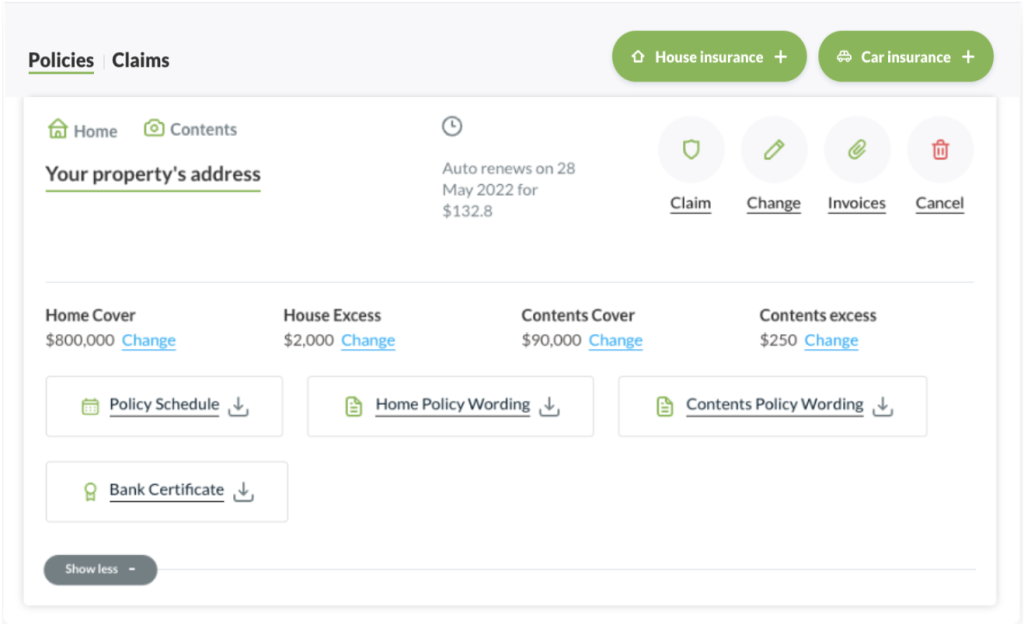

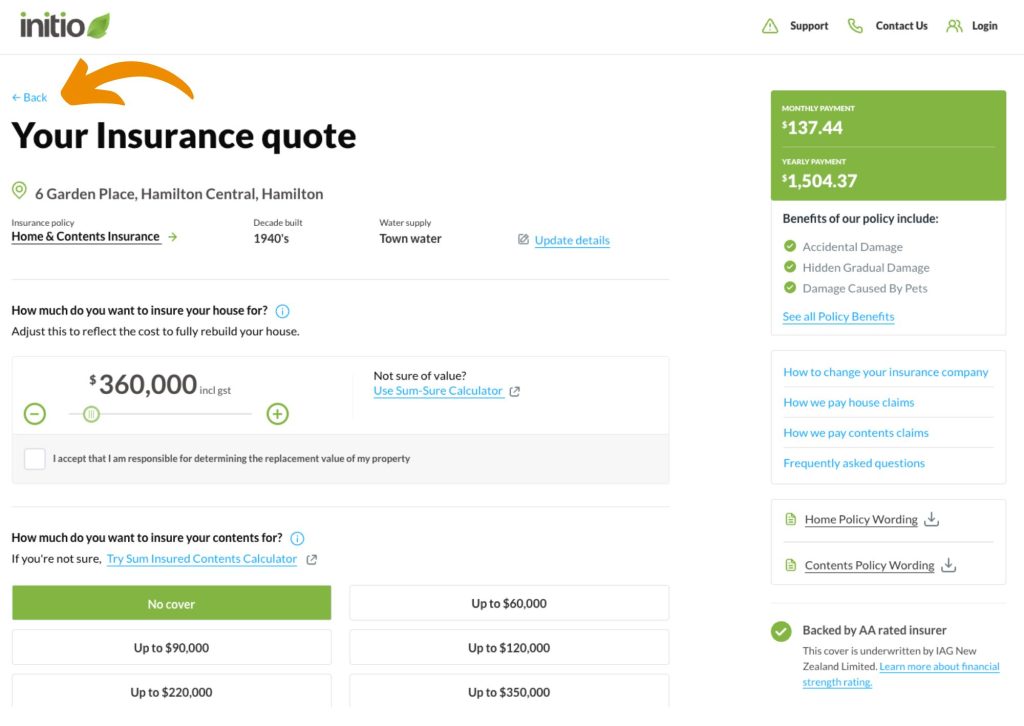



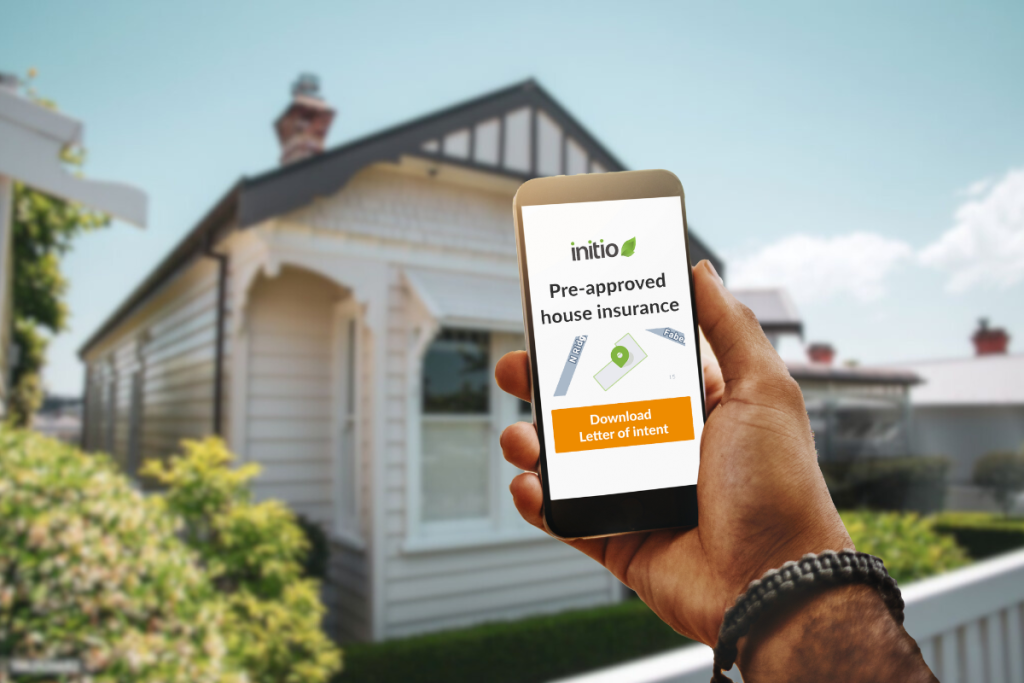


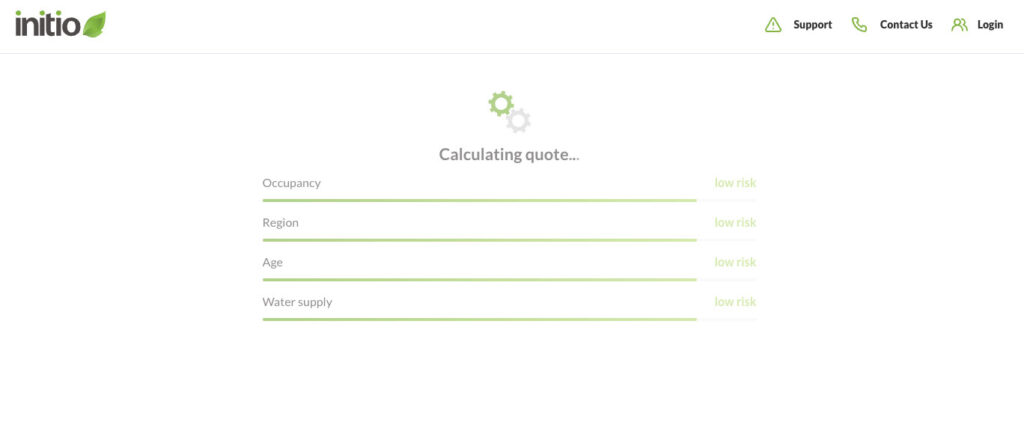


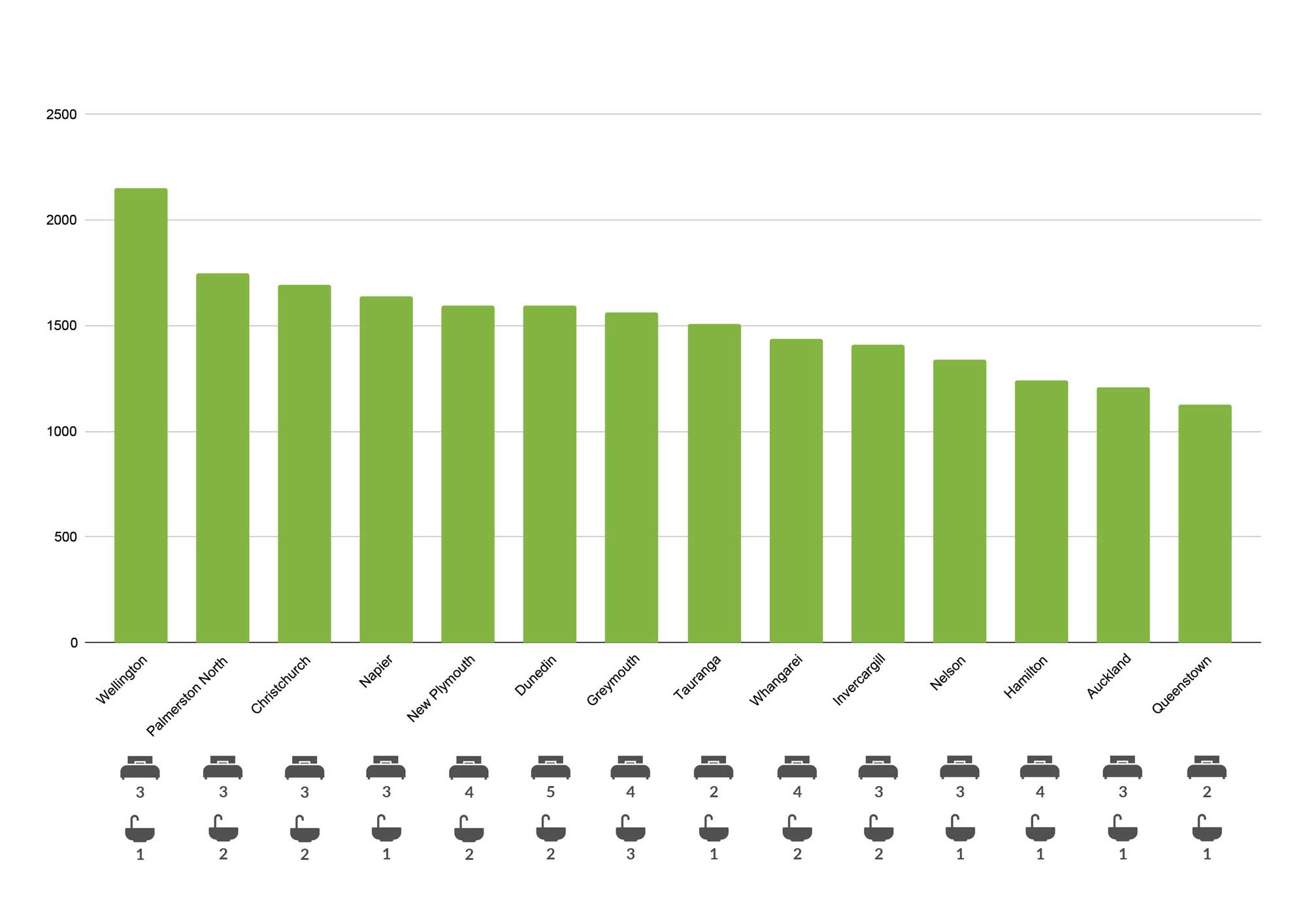


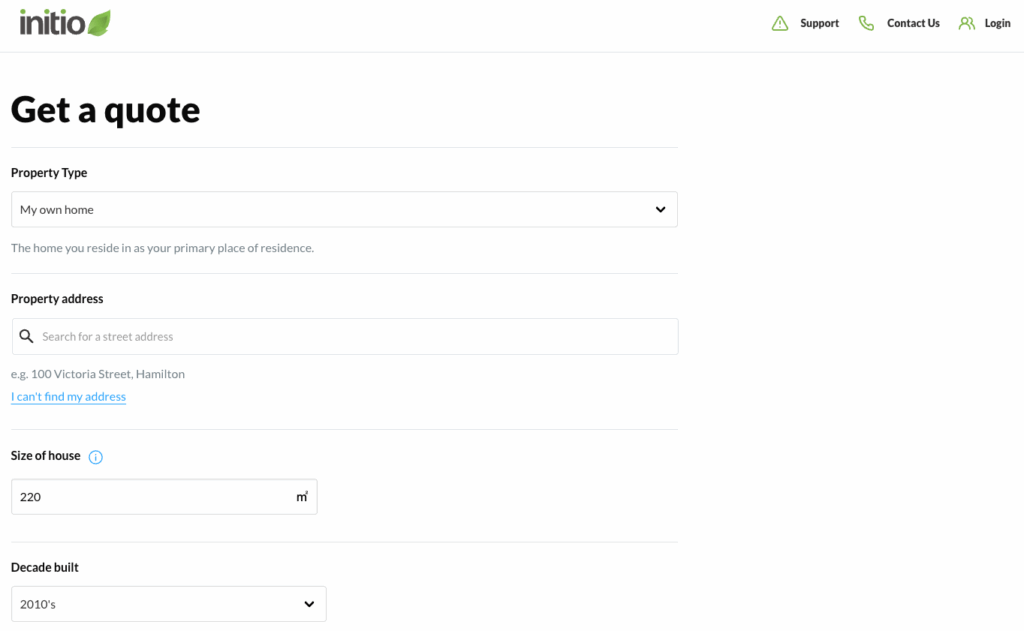

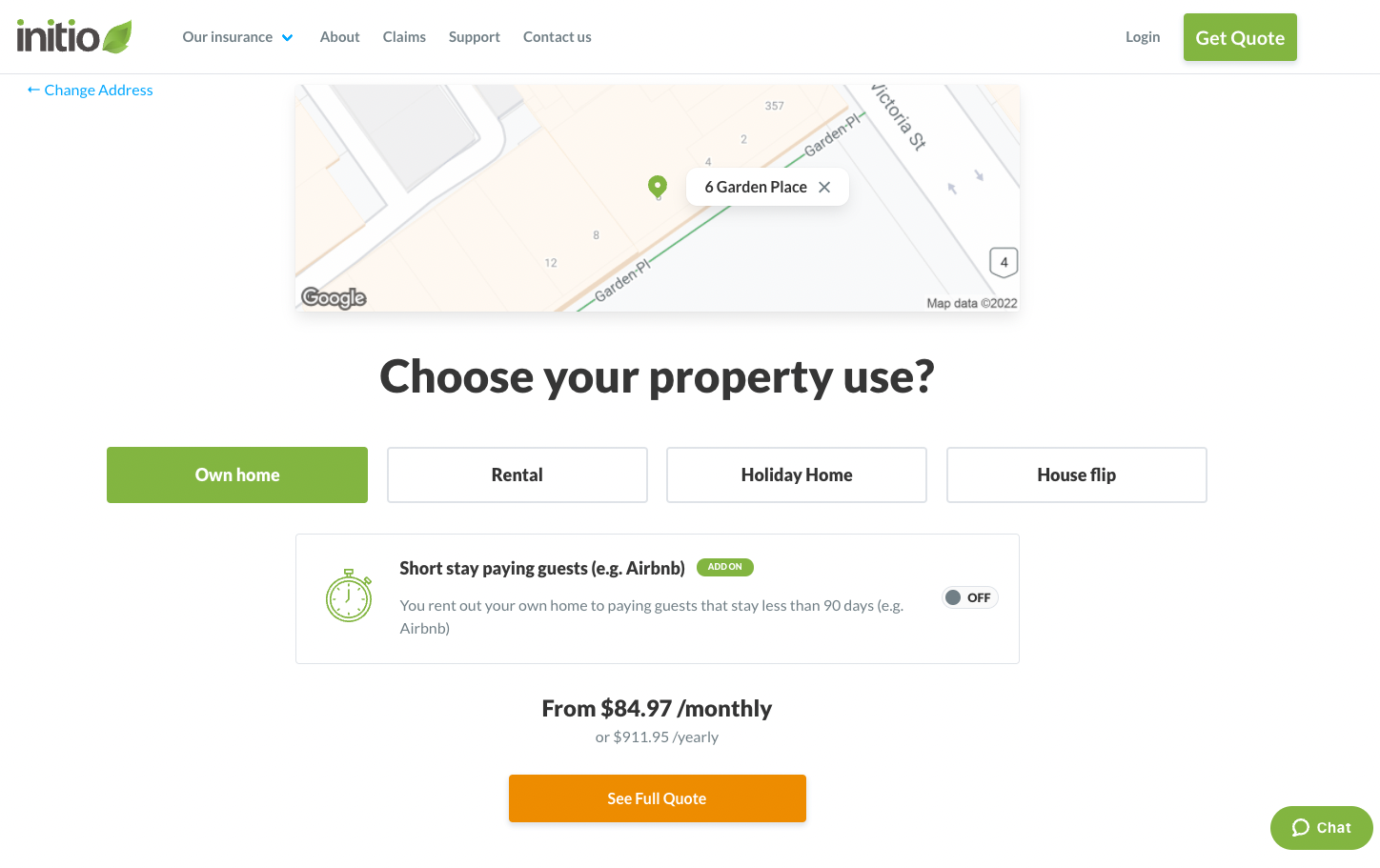
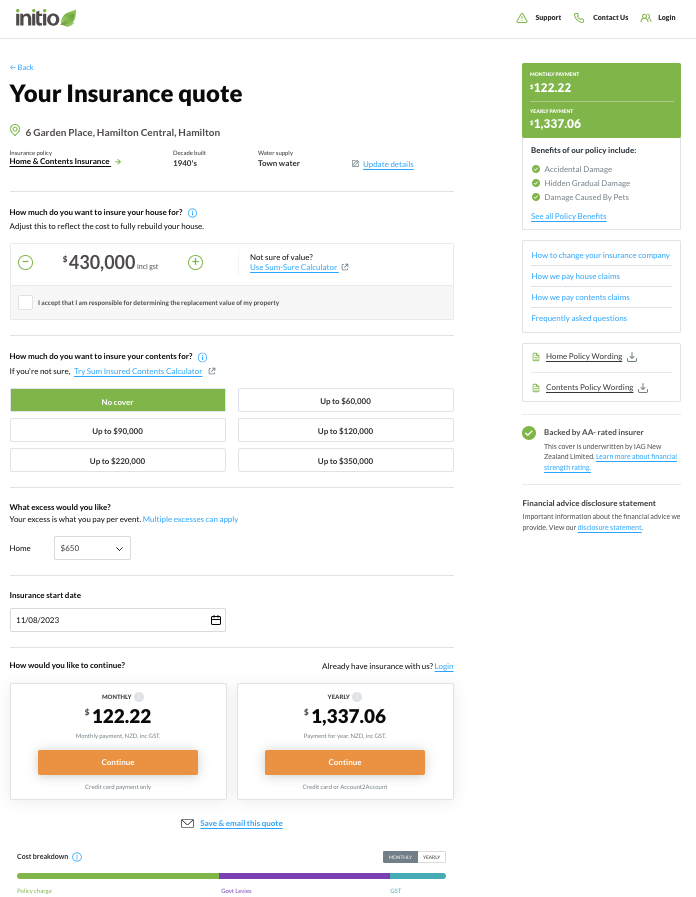
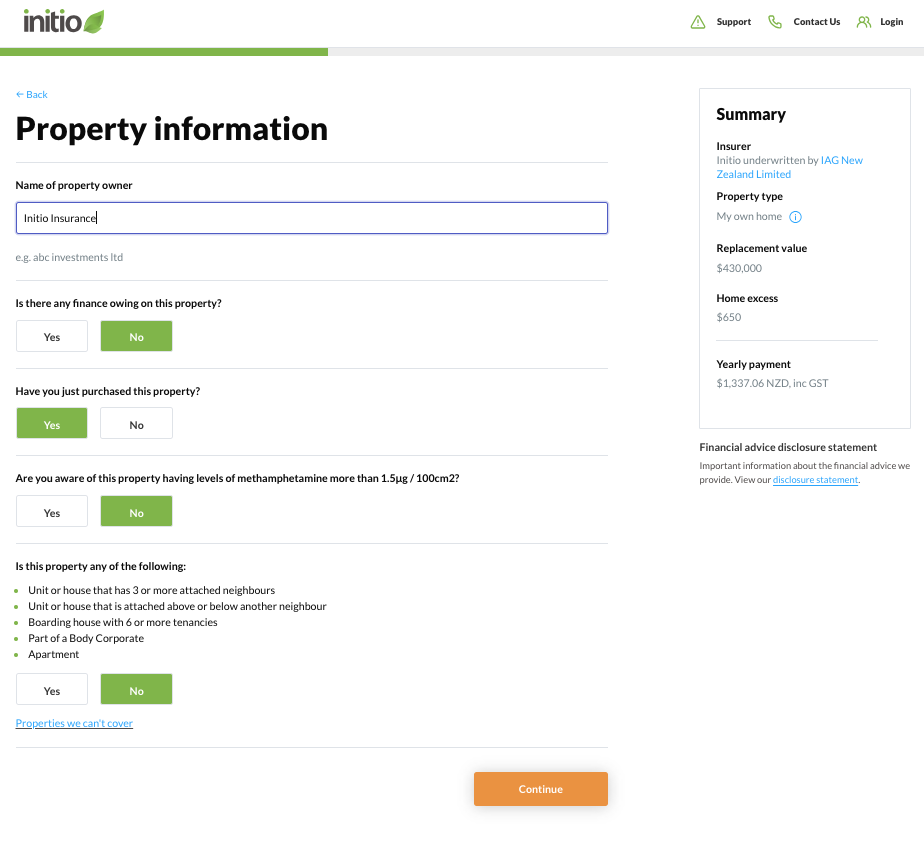
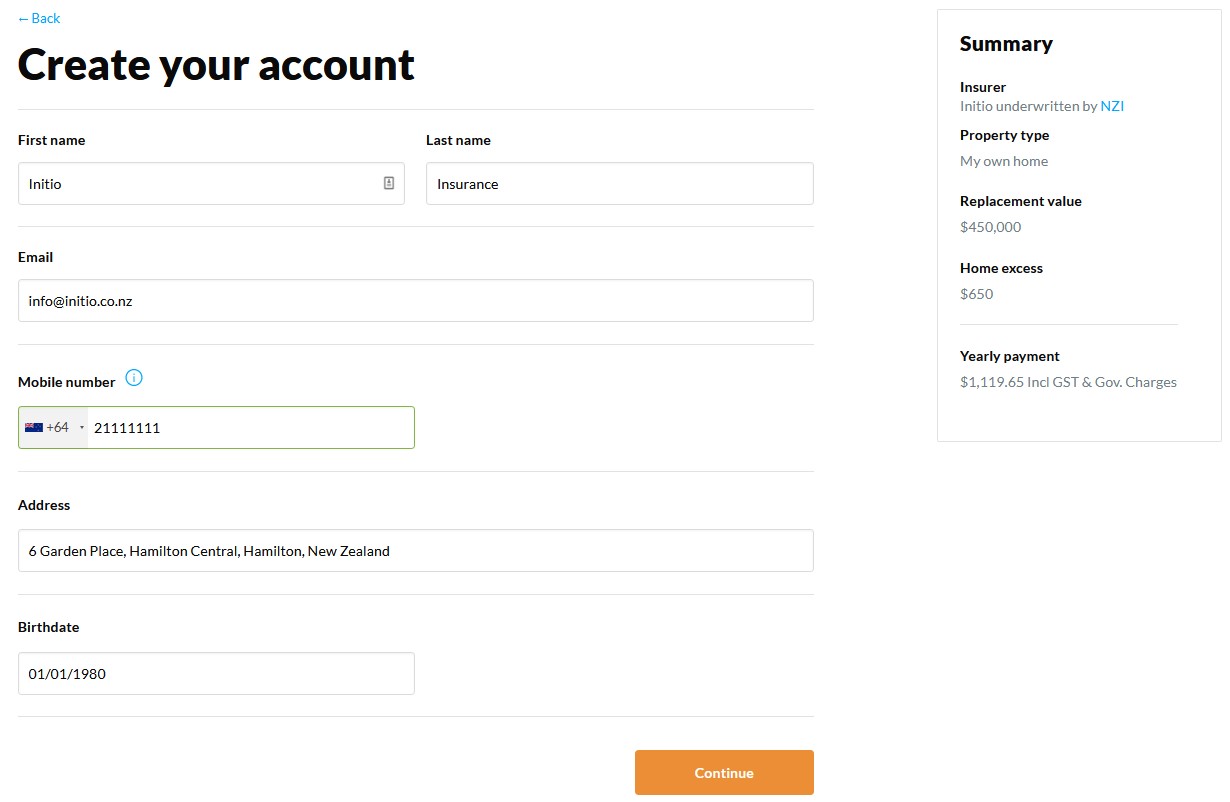
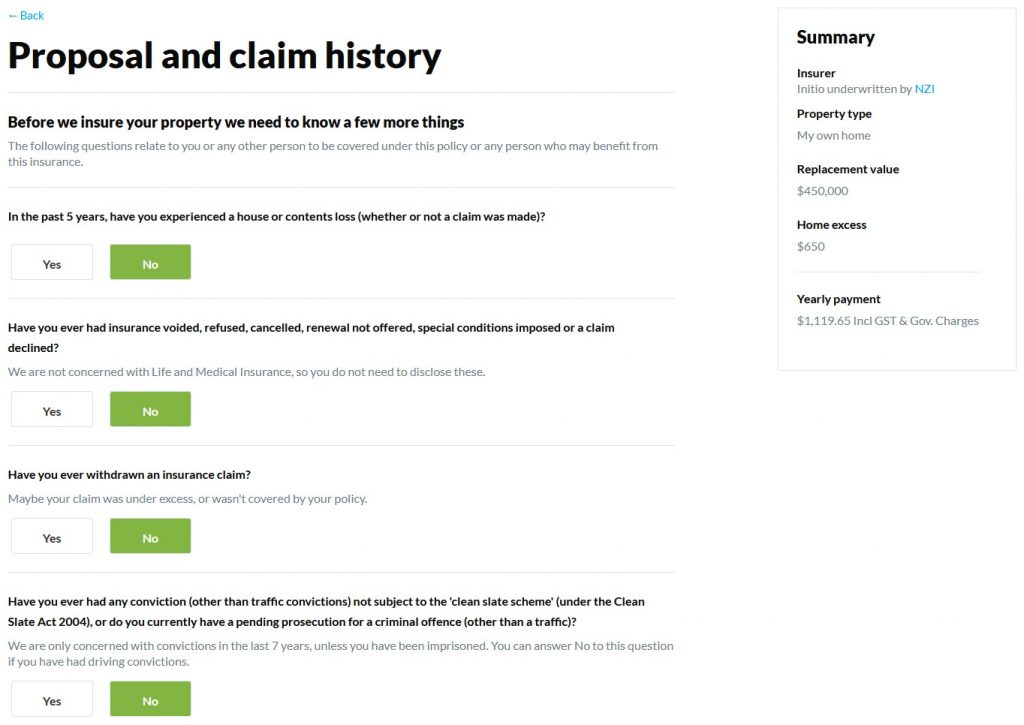
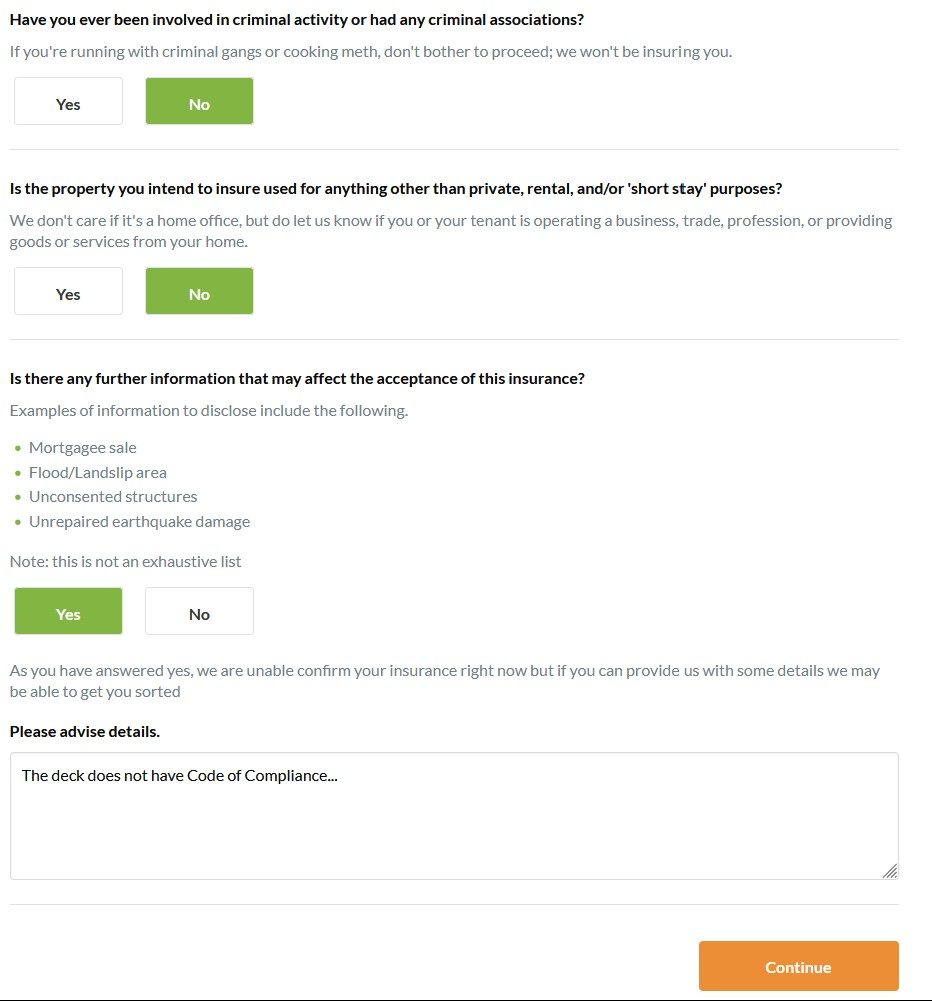
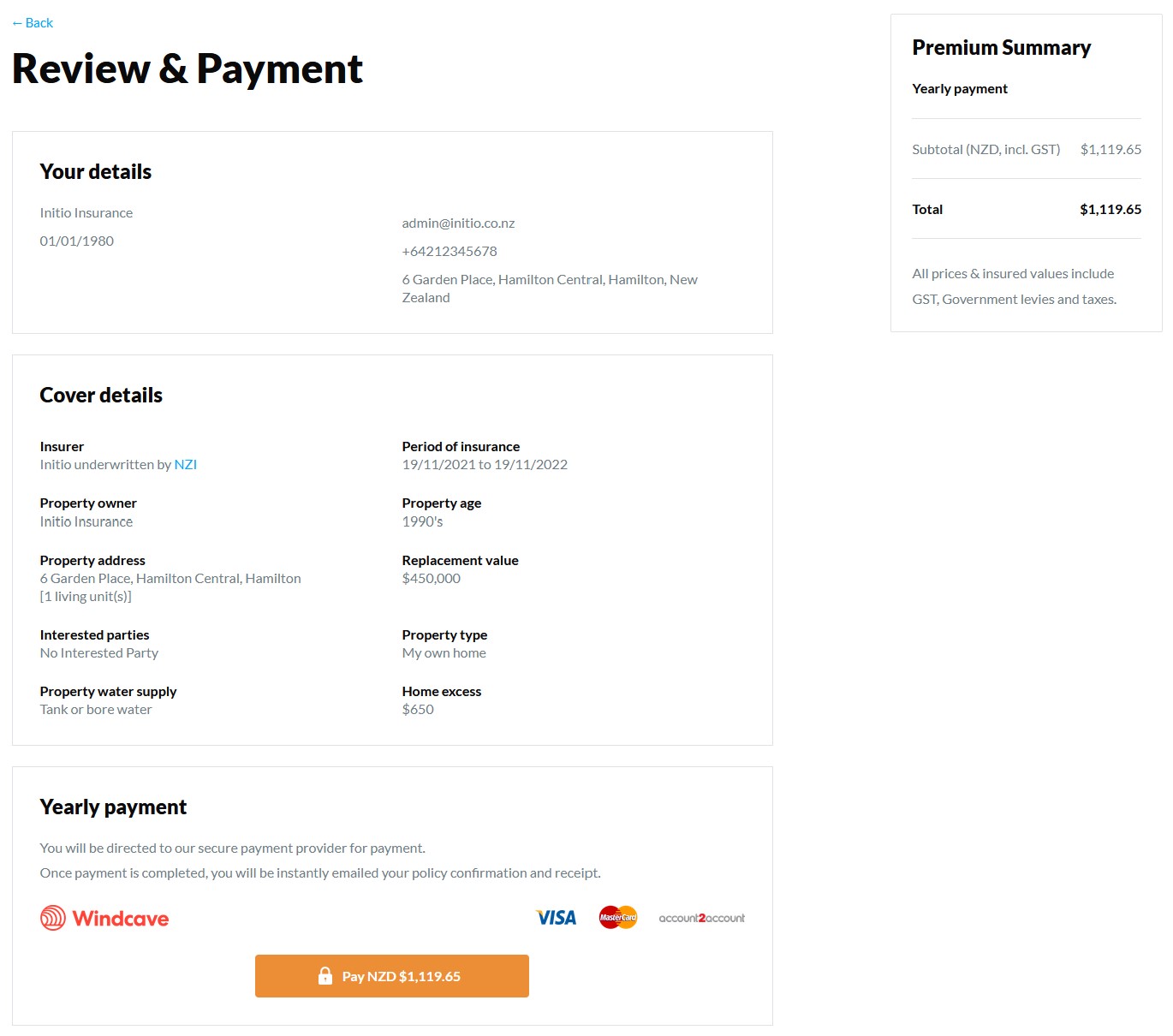





 Written by Hannah Gabbie, Head of Claims at initio.